
How To
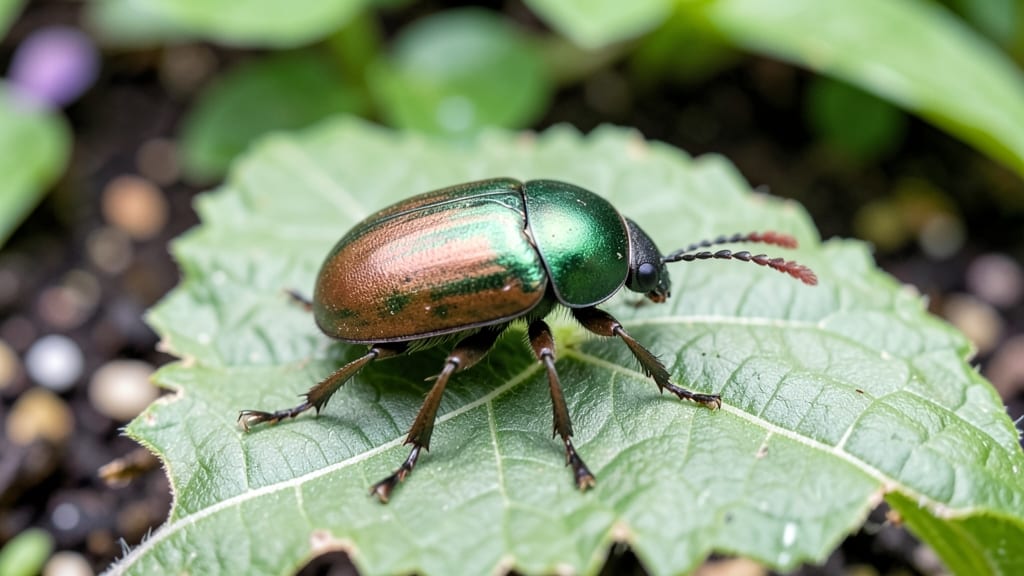
How to keep Japanese beetles out of your garden—before they turn your lush roses and grapes into skeleton leaves in days. 🌿 I’ve lost entire rows of plants to these striped invaders—until I discovered a boiling water pour that kills grubs before they hatch, breaking their life cycle for good.
The secret isn’t just traps or sprays—it’s targeting the grubs in your lawn. Most people ignore them until beetles swarm, but grubs chew roots all winter. A simple boiling water treatment in late summer or early fall kills 90% of them before they pupate.
By spring, you’ll see fewer beetles, healthier plants, and no more frantic handpicking. The method works in lawns, gardens, and even container beds—no chemicals, just heat and patience.
Fair warning: it takes two treatments a year for full control, but the results—no more skeletonized leaves—are worth it. Here’s exactly how to do it without burning your grass.
Root Causes Of Beetle Invasion
Japanese beetles don’t just wander into your garden by accident—they’re drawn in by a mix of environmental cues, plant chemistry, and even human activity. Understanding why they show up in force is the first step to stopping them. Let’s break down the science behind their relentless garden raids.
Japanese beetles are olfactory specialists. Their antennae detect volatile organic compounds (VOCs) emitted by plants, and some scents act like a neon "EAT ME" sign. Here’s what triggers their appetite:
- Rosaceae Family Plants: Beetles love roses, grapes, raspberries, and apples because these plants release phenols and terpenes—chemicals that signal "high-protein feast." A single rose bush can attract dozens within minutes.
- Corn & Grass Pollen: Adult beetles feed on pollen, and cornfields (or even your lawn) serve as beetle buffets. The more corn or grass nearby, the faster they multiply.
- Stressed Plants: Drought, disease, or over-fertilization make plants release stress signals (like ethylene gas), which beetles interpret as "easy prey." A wilting tomato plant? Instant beetle magnet.
Pro Tip: 💡 If your garden is a mix of beetle favorites (e.g., roses + grapes + corn), you’ve created the ultimate beetle party zone. We’ll cover how to disrupt their menu later.
Adult beetles are the garden wreckers you see, but their larvae (grubs) are the real problem. These white, C-shaped critters live in soil, feeding on grass roots for up to a year before pupating into beetles. Their presence turns your lawn into a beetle factory. Here’s how it happens:
| Grub Condition | Why It Attracts Beetles | Actionable Fix |
|---|---|---|
| 🌱 Overwatered Lawns | Grubs thrive in moist, cool soil. Too much water = more grubs = more future beetles. | Adjust irrigation to 1 inch per week (including rain). Aerate soil to prevent compaction. |
| 🌾 Thick, Healthy Grass | Lush grass = more roots = more grub food. Beetles prefer Kentucky bluegrass and turfgrass varieties. | Mow high (3–4 inches) to stress grubs. Consider grub-resistant grasses like tall fescue. |
| 🪴 Poor Drainage | Waterlogged soil = grubs survive longer. They pupate into beetles earlier in the season when soil warms. | Test soil pH (ideal: 6.0–7.0). Amend with sand or compost to improve drainage. |
Key Insight: 🔍 If your lawn has brown patches that pull up easily, you’ve got grubs—and soon, you’ll have beetles. Boiling water isn’t just for adults; it works on grubs too.
Japanese beetles are seasonal opportunists, and their arrival isn’t random. Three factors dictate their invasion schedule:
- Warmth Triggers Emergence: Grubs pupate into beetles when soil temps hit 60–65°F. In most regions, this is late May to early June. That’s your 3-week warning.
- Drought Stress = Early Hatching: If spring is dry, grubs hatch earlier to seek moisture, leading to two generations of beetles per year in some areas.
- Wind & Rain Spread Them: Beetles don’t fly far (about ½ mile), but storms can carry them 10+ miles. A sudden rain after a dry spell? Expect a beetle tsunami.
Pro Tip: ✨ Set up yellow sticky traps in early June to monitor beetle activity. If you see 10+ beetles per trap per day, it’s time to gear up for battle.
Now that you know why these beetles show up uninvited, the next step is turning your garden into a beetle-free zone. (Spoiler: Boiling water is just the beginning.)
Beat Back Beetles Naturally
Japanese beetles may seem unstoppable, but with the right strategies, you can protect your garden without harsh chemicals. Below are targeted solutions based on the root causes—whether it’s grubs in the soil, adult beetles feasting on foliage, or weak plants inviting infestations.
Each fix is practical, eco-friendly, and easy to implement, so you can reclaim your garden with confidence.
Grubs are the sneaky culprits that turn your lawn into a beetle breeding ground. If you’ve spotted chewed leaves or wilting plants, grubs are likely the problem. Here’s how to eliminate them permanently:
🔥 Boil & Drown: The Ultimate Grub Eradicator
The article’s signature method—boiling water—is a fast, organic, and foolproof way to kill grubs on contact.
- When to do it: Late summer to early fall (when grubs are young and near the surface).
- How to do it: 1. Water the lawn lightly the night before to soften the soil.
- Mark a grid (12" apart) with stakes or spray paint to track treated areas.
- Boil 1–2 gallons of water per section (or use a large pot with a spout for precision).
- Pour boiling water directly onto the soil in a slow, steady stream—focus on grassy areas where you’ve seen damage.
- Repeat weekly for 3–4 weeks to ensure all grubs are gone.
✨ Pro Tip: Add 1 tbsp of dish soap to the boiling water to break surface tension and improve penetration.
🍳 Milky Spore: The Long-Term Biological Shield
For a permanent solution, introduce milky spore bacteria (Bacillus popilliae), which infects and kills grubs naturally.
- How to apply:
- Purchase milky spore powder (available at garden centers).
- Mix with water (follow package instructions) and spray or water it into the soil in early fall.
- Reapply every 2–3 years for full effectiveness.
- Why it works: The bacteria spreads through the soil, creating a self-sustaining defense against future grubs.
🌡️ Soil Solarization: Bake Grubs Alive
If your garden is heavily infested, solarization (using the sun’s heat) can sterilize the soil and kill grubs. - How to do it: 1. Water the soil thoroughly to saturate it.
- Cover with clear plastic (6–8 mil thickness) and secure edges with soil or bricks.
- Leave for 4–6 weeks in hot, sunny weather (soil temps should reach 104°F+).
- Remove plastic, till the soil, and plant new grass or beds.
⚠️ Warning: This method kills all soil organisms, so use it only in severe cases or spot-treat problem areas.
Once grubs mature into adult Japanese beetles, they’ll devour your plants in days. Here’s how to stop them before they land:
🔪 Handpick & Drown: The Brutally Effective Method
- When to do it: Early morning (beetles are sluggish and easier to catch).
- How to do it: 1. Shake plants over a bucket of soapy water (1 tbsp dish soap per gallon).
- Drop beetles in immediately—they’ll drown in seconds.
- Repeat daily during peak beetle season (June–August). - Bonus: Wear gloves and long sleeves—some gardeners find it oddly satisfying!
🎯 Beer Traps: Lure & Destroy
Japanese beetles are drawn to fermenting scents, making beer traps a simple, chemical-free solution.
- How to make it:
- Fill a jar or container with beer or apple cider vinegar.
- Bury it neck-deep in the soil near infested plants.
- Check daily and drown trapped beetles in soapy water.
- Why it works: Beetles fly in, get drunk, and drown—but only works if placed correctly (away from plants you want to protect).
🌿 Plant Sacrifices: The Decoy Strategy
Some plants attract beetles like a magnet, acting as a living trap.
- Best beetle bait plants:
- Marigolds (especially French marigolds)
- Fennel (a top beetle favorite)
- Rosemary (strong scent repels humans but lures beetles)
- How to use them:
- Plant these away from your veggies and flowers.
- Check daily and remove beetles by hand.
- Replace every 2–3 weeks for maximum effectiveness.
🛡️ Physical Barriers: Shield Your Plants
For high-value plants (like roses or grapes), physical barriers can block beetles entirely.
- Options:
- Floating row covers (lightweight fabric over plants).
- Fine netting (1mm mesh) secured tightly.
- Aluminum foil collars (wrap around stems to deter egg-laying).
- Best for: Young plants, seedlings, and prized blooms.
Prevention is the best offense against Japanese beetles. Healthy plants and smart gardening make your garden less appealing to invaders.
🌱 Choose Beetle-Resistant Plants
Some plants naturally repel Japanese beetles or tolerate damage better:
- Resistant veggies: Green beans, snap peas, okra, eggplant, chives.
- Repellent herbs: Basil, thyme, catnip, wormwood.
- Deterrent flowers: Geraniums, daisies, zinnias, cosmos.
🔥 Maintain a Neat, Dry Garden
Beetles love messy, damp soil—their ideal egg-laying spot.
- Tips:
- Aerate compacted soil (prevents grubs from burrowing deep).
- Water deeply but less often (dry soil discourages egg-laying).
🐛 Encourage Natural Predators
Nature has its own beetle hunters—help them thrive!
- Beneficial insects to attract:
- Parasitic wasps (lay eggs in beetle grubs).
- Birds (robins, starlings, and grackles love Japanese beetles).
Timing is everything when fighting Japanese beetles. Stay one step ahead with this month-by-month strategy:
| Season | Threat | Solution |
|---|---|---|
| Early Spring | Grubs waking up | Apply milky spore or beneficial nematodes** (Heterorhabditis bacteriophora). |
| Late Spring | Egg-laying begins | Aerate lawn, remove thatch, and plant repellent herbs. |
| Summer (June–Aug) | Adult beetles feast | Handpick daily, use beer traps, and cover vulnerable plants. |
| Fall | Grubs maturing | Boil water treatment or solarization before winter. |
Final Reminder: Consistency is key—one treatment won’t erase an infestation. Combine grub control, adult trapping, and plant resistance for the best long-term results. With these methods, your garden can stay lush, beetle-free, and thriving all season long!
Frequently asked questions about Japanese beetle prevention
Why do Japanese beetles target my roses and grapes specifically?
These beetles are drawn to plants in the Rosaceae family because they release phenols and terpenes—chemicals that signal high-protein meals. Roses and grapes are like all-you-can-eat buffets to them! The more stressed your plants (from drought or over-fertilizing), the stronger these chemical signals become, making your garden an irresistible target.
How often should I apply boiling water to kill grubs?
For best results, treat your lawn with boiling water weekly for 3-4 weeks during late summer/early fall when grubs are near the surface. Use 1-2 gallons per section and focus on areas with brown patches that pull up easily. Add 1 tablespoon of dish soap to help the water penetrate the soil better.
Will beer traps actually reduce my beetle population?
Beer traps can help, but they're most effective as a monitoring tool rather than a complete solution. Place traps away from plants you want to protect—beetles fly in, drown, and you can remove them daily. For heavy infestations, combine traps with handpicking and milky spore treatment for better results. The key is consistency, not just setting one trap and forgetting about it.
Can I use neem oil to repel Japanese beetles?
Neem oil works best as a deterrent for adult beetles rather than a killer. Mix 1 tablespoon per gallon of water with a drop of dish soap, then spray on leaves early in the morning when beetles are less active. Reapply every 3-5 days during peak season (June-August). It disrupts their feeding patterns but won't eliminate grubs in the soil.
How do I know if my lawn has Japanese beetle grubs?
Look for brown patches that pull up easily—this is your first clue. Dig up a small section of grass and check for white, C-shaped grubs about 1 inch long. Another sign: increased bird activity (robins love to eat grubs). If you find them, treat immediately with boiling water or milky spore before they pupate into beetles next spring.