
Companion Plants
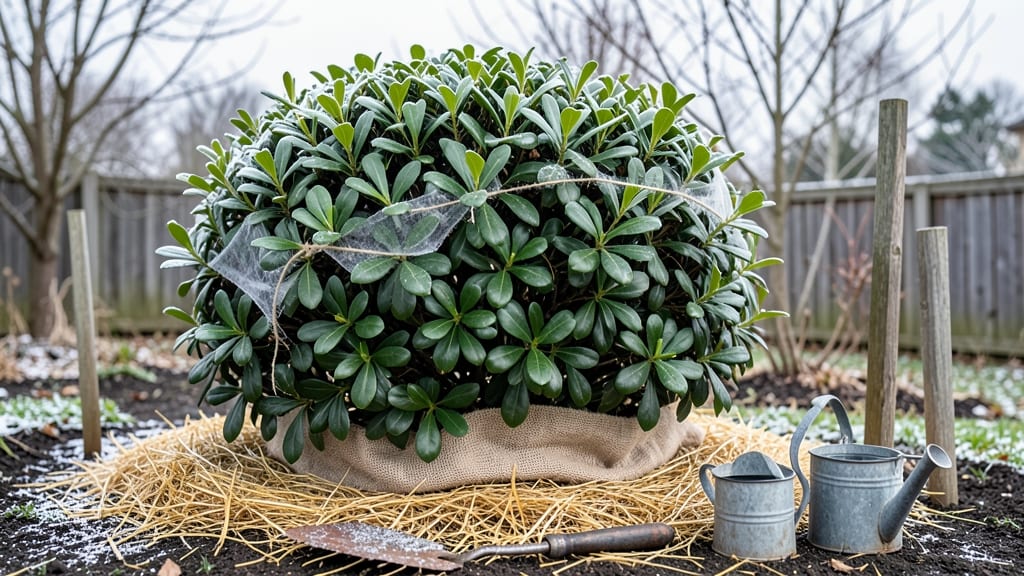
How to keep outdoor plants alive in winter doesn’t require a goodbye to your garden’s greenery. ✨ I’ve lost count of the times I’ve watched tender perennials and shrubs wilt under winter’s first freeze—until I discovered these shelter hacks that keep them thriving through the coldest months. The secret isn’t just tough varieties, but creating microclimates that protect roots, stems, and foliage from what winter throws at them.
Start with mulching—not just any mulch, but a thick layer (3-4 inches) of straw or shredded leaves. This acts like a blanket, insulating roots from temperature swings that cause heaving. For container plants, move them to a sheltered spot or wrap pots in burlap and bubble wrap.
Even evergreens need help; a light dusting of burlap on their branches prevents sunscald when winter sun hits frozen foliage.
Your plants will reward you with green shoots in early spring instead of dead stems. The right sheltering keeps roots from freezing, prevents windburn, and even traps snow for moisture. I’ve seen hostas, daylilies, and even tender salvias bounce back stronger after winter with these methods—no greenhouse needed.
This works for everything from hardy perennials to borderline-tender shrubs. The key is timing: apply mulch after the ground freezes but before heavy snow falls. And don’t forget to check on your plants during thaws—sometimes a little water in late winter prevents early stress.
Let’s keep your garden alive all year.
📚 In This Guide
- What you need
- Instructions
- Tips and common mistakes
- Wrapping up and next steps
What you need
- ● Cold-hardy plant containers (if repotting): 1–2 containers per plant, sized 1–2 inches larger in diameter than the root ball.
- ● Material: Plastic (insulating) or terracotta (if well-drained).
- ● Potting mix: 1–2 bags (5–10 lbs each) of well-draining, peat-based or coco coir mix (avoid garden soil).
- ○ Optional add-ins: Perlite or vermiculite (1 part per 4 parts soil) for aeration.
- ● Mulch: Organic: Straw, shredded leaves, or pine needles (2–4 inches thick).
- ● Inorganic: Wood chips or bark (3–4 inches thick).
- ● Plant covers: Frost cloth (30–50% shade cloth, 5’x7’ sheets).
- ● Burlap sacks (1–2 per plant, sized to fit loosely).
- ● Stakes or cages (for support): 1–2 bamboo stakes or tomato cages per plant (if needed).
- ● Watering can or hose with a gentle spray nozzle (avoid heavy watering before freeze).
- ● Pruning shears (sterilized with rubbing alcohol).
- ○ Thermometer (optional but helpful for tracking temps).
- ● Insulating wraps (e.g., bubble wrap or plant blankets for pots).
- ● Heat source (e.g., heat mat for containers in extreme cold).
- ● Slow-release fertilizer (low-nitrogen, like 5-10-10, for early winter feeding).
- ● Plant labels (to track varieties and care needs).
- ● Garden twine (for securing frost cloth).
Step-by-step instructions for winterizing outdoor plants
Here's how I've kept my plants thriving through freezing temps—no greenhouse needed.
🪴 Step 1: Assess Plant Hardiness and Group by Type
First, identify which plants can handle your winter lows. Most perennials and shrubs are labeled with their hardiness zones—choose plants rated for your area. Group tender plants together near the house or garage where they'll benefit from reflected warmth. I always check my zone map first to avoid surprises.
Remove any dead or diseased foliage before winter. This prevents pests and diseases from hiding in plant debris. For evergreens like boxwoods or holly, gently shake off dust or spider webs—clean needles breathe better. The goal is to give your plants the best possible start to their winter dormancy.
☀️ Step 2: Mulch Heavily to Protect Roots
Apply a 4-6 inch layer of organic mulch like shredded leaves, straw, or wood chips around the base of each plant. This insulates roots from freezing and thawing cycles that can damage them. I always pull mulch away from the stem by a few inches to prevent rot—moisture trapped against the trunk is a recipe for fungal problems.
For extra protection, top the mulch with a 2-3 inch layer of evergreen boughs or pine straw. These needles release moisture slowly and add another insulating layer. Water the plants thoroughly before mulching so the soil holds moisture through winter—this prevents roots from drying out in dry winter air.
🌿 Step 3: Create Windbreaks and Microclimates
Place tender plants against a south- or west-facing wall where they'll catch sunlight during the day but stay sheltered from cold winds. I use temporary windbreaks made of burlap or even large cardboard boxes filled with straw. These create microclimates that can raise temperatures by 10-15°F compared to exposed areas.
For container plants, move them to a sheltered spot like a garage or under an overhang. Group pots together to share warmth. If you can't move them, wrap containers in bubble wrap or insulation board and cover with a thick blanket (like an old quilt) secured with bricks or stakes. This traps heat and prevents freezing.
⏰ Step 4: Monitor and Adjust as Winter Progresses
Check plants every 2-3 weeks during winter to ensure they're still protected. If heavy snow accumulates, brush it off evergreens—too much weight can break branches. For deciduous plants, leave snow on the ground; it provides excellent insulation. I always keep a small shovel handy for quick snow removal when needed.
If temperatures drop unexpectedly below your plants' tolerance, cover them with frost cloth or even old bedsheets secured with stakes. Avoid plastic, which traps moisture and can cause rot. Water sparingly during dry winter spells—just enough to keep soil from freezing solid. Most plants need less water in winter, but a little goes a long way.
Tips & tricks for perfect winter plant survival
Here's what nobody tells you about keeping plants alive through freezing temperatures—these tricks make all the difference.
Zone Zone Zone: Before you do anything, verify your USDA hardiness zone. Many nurseries label plants with their zone tolerance, but double-check using the USDA interactive map. I once bought a beautiful boxwood labeled for zone 6, only to discover I'm in zone 5—oops! Grouping plants by their exact zone needs prevents winter casualties. Confession: I skipped this step for years and wondered why my plants kept dying.
Mulch Like a Pro: The 4-6 inch layer of mulch isn't just for looks—it's a thermal blanket for roots. I learned this the hard way after watching a prized rose bush's roots freeze solid in one brutal winter. For extra protection, especially in zone 5 and colder, consider adding a 2-3 inch layer of evergreen boughs on top. These needles release moisture slowly and add another insulating layer that can make a 10-15°F difference in root zone temperature.
Windbreak Wisdom: That south-facing wall isn't just for summer sun—it's a winter lifesaver. I created microclimates last winter by placing my most tender plants against my garage wall, and the difference was dramatic. For container plants, group them together and wrap pots in bubble wrap or insulation board before covering with a thick blanket. This traps heat and prevents freezing better than any single method alone. Between us, I used an old quilt from my grandmother—don't overcomplicate it!
Monitoring Matters: Those 2-3 week checks aren't just busywork—they're your early warning system. I caught a frozen hydrangea just in time last February by noticing the leaves had turned brown during my routine check. If heavy snow accumulates, brush it off evergreens immediately—too much weight can break branches. For deciduous plants, leave that snow; it's nature's free insulation blanket.
Pro Tips for Keep Outdoor Plants Alive In Winter
- Here's what nobody tells you about keeping plants alive through freezing temperatures—these tricks make all the diffe...
- Zone Zone Zone: Before you do anything, verify your USDA hardiness zone. Many nurseries label plants with their zone ...
- Mulch Like a Pro: The 4-6 inch layer of mulch isn't just for looks—it's a thermal blanket for roots. I learned this t...
Frequently asked questions
Got questions about winterizing outdoor plants? You’re not alone!
Here are some of the most common concerns—and practical answers—to help your greenery thrive even when temperatures drop.
What’s the best time to start winterizing my plants?
Start preparing your plants for winter before the first frost—usually 4–6 weeks ahead in most climates. This gives roots time to harden off, and you can gradually reduce watering and add protective layers (like mulch or frost cloth) without shocking the plant. Pro tip: Monitor your local frost date and act 2–3 weeks before it hits!
Can I just cover my plants with blankets or towels?
While blankets or towels might seem like a quick fix, they can trap too much moisture, leading to rot or fungal issues. Instead, opt for breathable materials like frost cloth, burlap sacks, or straw mulch. These allow airflow while insulating against cold. For potted plants, move them to a sheltered spot (like a garage or under an eave) if possible.
How often should I water plants in winter?
Watering needs drop dramatically in winter, but don’t let the soil dry out completely. Aim to water deeply but infrequently—about once every 2–4 weeks, depending on your climate. Check moisture levels by sticking your finger 1–2 inches into the soil. Pro tip: Water in the morning to reduce evaporation and prevent ice buildup.
What do I do if my plant looks frozen or damaged?
Don’t panic! Many plants bounce back with proper care. Gently brush off ice or snow (never scrape) and inspect for brown, mushy, or brittle stems. Prune dead foliage with clean shears, but avoid cutting healthy growth. If roots are exposed, cover them with mulch or straw. Most cold-hardy plants (like lavender, rosemary, or sedum) will regrow in spring—just be patient!
Are there any plants that don’t need winter protection?
Yes! Native, cold-hardy plants like pine trees, hemlock, Russian sage, and winter jasmine often survive winter with minimal help. Check your USDA Hardiness Zone (Zone 3–10 is common) to see which perennials thrive in your area. For doubt, err on the side of caution—better to protect than lose!
| Quick Reference | Action |
|---|---|
| First frost approaching? | Add mulch + frost cloth |
| Plant looks wilted? | Check roots for rot; trim dead growth |
| Potted plants freezing? | Move to sheltered spot or insulate pots |
| Soil feels dry? | Water deeply (but sparingly) |
Wrapping up and next steps
Keeping your outdoor plants thriving through winter is all about preparation, protection, and a little extra love—but with the right strategies, you can turn cold weather into a season of resilience! 🌱❄️ Whether you’re insulating tender plants, choosing hardy companions, or leveraging natural windbreaks, these hacks ensure your garden stays vibrant year-round.
Start small, experiment with what works best in your climate, and soon, you’ll have a winter-ready green oasis that surprises even the harshest frosts.
Ready to put your new skills to the test? Grab your gloves, check your plants, and give them the cozy shelter they deserve before the first frost hits. Your future winter garden will thank you!