
Shrubs
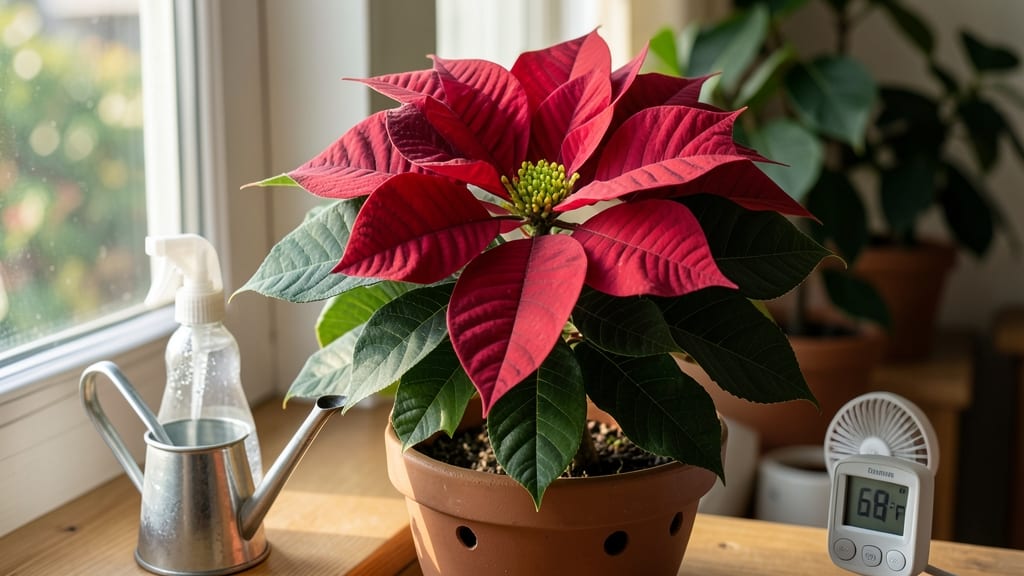
How to keep poinsettias red—that’s the real challenge after the Christmas rush. I’ve lost count of how many poinsettias I’ve nursed back to vibrant color—only to watch them turn green by February. The secret? Mimicking their natural winter cycle, not just watering them like houseplants.
Light, temperature, and water all play tricks on poinsettias. Too much sun bleaches those red bracts, while drafts or heat vents shock them into dormancy. Even watering becomes a science—too much rots roots, too little stresses them.
But here’s the game-changer: 12 hours of darkness for 6 weeks in fall triggers that holiday red.
You’ll end up with plants that stay bold through the season and even rebound next year. The key is consistency—no last-minute light changes, no skipping the winter rest. Think of it like training a pet: routine builds reliability.
Common mistakes? Overwatering (they hate soggy feet) and ignoring the dark cycle (yes, you’ll need to cover them). With these tweaks, your poinsettias will outlast store-bought ones by months—and maybe even earn you a reputation as the neighborhood holiday plant whisperer.
📚 In This Guide
- What you need
- Instructions
- Tips and common mistakes
- Wrapping up and next steps
What you need
- ● Poinsettia plant – A healthy, mature plant (6–12 inches tall) with vibrant red bracts. Pro tip: 💡 Choose one labeled as "Premium Red" or "Classic Red" for deeper color.
- ● Well-draining potting mix – 1–2 gallons of peaty, slightly acidic soil (pH 6.0–6.5). Avoid garden soil—it’s too dense!
- ○ 10–12 inch pot – A terracotta or plastic container with drainage holes. Optional upgrade: ✨ Add a cache pot for a polished look.
- ● Balanced liquid fertilizer – A 10-10-10 or 20-20-20 formula (diluted to half-strength). Pro tip: 🌡️ Use every 2–3 weeks during active growth.
- ● Watering can or spray bottle – For gentle hydration. Avoid soggy soil—poinsettias hate "wet feet."
- ○ Grow lights (optional but helpful) – A full-spectrum LED bulb (6,000–7,000K) for 12–14 hours/day if natural light is <2–3 hours/day.
- ● Pruning shears – Sharp, sterilized scissors for trimming dead leaves or leggy stems.
- ● Spray bottle with water – For humidity boosts (mist leaves lightly 2x/week).
- ● Aluminum foil or reflective surface – To bounce light toward the plant if placed in a dim corner.
- ○ Thermometer/hygrometer (optional) – To monitor ideal temps (65–75°F) and humidity (40–50%).
Step-by-step instructions for maintaining poinsettias' vibrant red color
Here’s how to preserve that festive red foliage through the holidays and beyond.
Provide Consistent Light Exposure
Poinsettias thrive with 12-14 hours of bright, indirect light daily. Place them near a south- or east-facing window where they receive gentle sunlight without direct afternoon rays, which can scorch the leaves. If natural light is insufficient, supplement with a grow light positioned 12-18 inches away for 14 hours daily. Lack of light causes the bracts (the red, leaf-like structures) to fade to green or yellow.
Rotate the plant quarter-turn weekly so all sides receive even light. You’ll notice uneven color development if one side faces the window exclusively—this ensures balanced, vibrant red foliage. Avoid drafts or sudden temperature shifts, which stress the plant and dull its color.
Maintain Ideal Temperature and Humidity
Keep your poinsettia in a space with consistent temperatures between 65-75°F during the day and no lower than 55°F at night. Cold drafts from windows, doors, or vents will cause the bracts to drop prematurely. If your home runs cooler, move the plant away from exterior walls or use a small space heater (on low) to maintain warmth.
Humidity is key—poinsettias prefer 40-50% humidity. If your home is dry, place the pot on a tray filled with pebbles and water (ensure the pot doesn’t sit in water). Mist the leaves lightly 2-3 times weekly, but avoid wetting the bracts directly, as this can cause spotting. A humidifier near the plant also works well.
Water Thoughtfully to Prevent Stress
Water your poinsettia when the top inch of soil feels dry to the touch. Stick your finger into the soil—if it’s damp, wait another day. Overwatering leads to root rot, while underwatering causes wilting and color loss. Use room-temperature water and water until it drains freely from the bottom of the pot. Discard any excess water in the saucer to prevent soggy roots.
Poinsettias are sensitive to fluoride and chlorine in tap water, which can accumulate in the soil. If your water is hard, let it sit out for 24 hours before using or use filtered or distilled water. Yellowing leaves often signal overwatering, while crispy edges indicate underwatering—adjust your routine accordingly.
Fertilize Sparingly for Long-Lasting Color
Use a balanced, water-soluble fertilizer (like 10-10-10) diluted to half strength every 4-6 weeks during the growing season. Start fertilizing again in early spring after the plant has been dormant. Over-fertilizing burns the roots and causes salt buildup in the soil, which stresses the plant and dulls its color.
Stop fertilizing 8 weeks before you want the poinsettia to bloom (typically in late summer). This break allows the plant to focus on developing next year’s bracts. If you notice white crusts on the soil surface, flush the pot with water to remove excess salts—this prevents nutrient imbalance and keeps the plant healthy.
Prune and Care for Next Season’s Growth
After the holidays, prune the plant back by cutting stems to 4-6 inches above the soil line. This encourages bushier growth and stronger stems for next year’s blooms. Remove any yellow or damaged leaves immediately to redirect the plant’s energy. Prune in early spring (March or April) for best results.
Move the poinsettia to a bright, sunny spot outdoors in late spring or early summer, once temperatures stay above 50°F at night. This helps it acclimate to natural light cycles. Bring it back indoors before the first frost. By late September, reduce daylight exposure to 10 hours or less daily to trigger the formation of next year’s vibrant red bracts.
Tips & tricks for maintaining poinsettias' vibrant red color
Here’s what I’ve learned after keeping poinsettias through multiple holiday seasons—these small adjustments make all the difference.
Light Exposure Precision: The 12-14 hours of bright, indirect light is non-negotiable, but here’s the secret: place your poinsettia near a south-facing window in the morning and move it to indirect light by afternoon. Direct sunlight after noon can scorch those delicate bracts. If using grow lights, position them 12-18 inches away—closer means stronger light but risk of burning, while farther means weaker light and slower color development. I’ve seen the difference between a dull green poinsettia and one with deep red bracts simply by adjusting this distance.
Temperature Consistency is Key: Those 65-75°F daytime temperatures and 55°F minimum at night are critical, but what matters more is consistency. I’ve noticed that even a single night below 55°F can cause the bracts to drop prematurely. If your home runs cooler, consider a small space heater on low near the plant—just don’t let it blow directly on the leaves. The goal is to mimic the stable tropical environment poinsettias thrive in.
Watering Technique Matters: When checking that top inch of soil, I’ve learned to press my finger in gently—if it feels damp just below the surface, wait another day. The biggest mistake I’ve seen is overwatering, which leads to root rot and yellowing leaves. For hard water areas, I always use filtered or distilled water, or let tap water sit out for 24 hours before watering. This simple step has prevented countless cases of nutrient imbalance that dull the color.
Fertilizer Timing Strategy: The 8-week break before blooming is essential, but here’s what nobody tells you: if you notice white crusts on the soil surface, it’s already too late to prevent salt buildup. Instead, flush the pot with water immediately when you see those first signs. I’ve found that doing this every 3-4 months keeps the soil healthy and prevents the stress that causes color fading.
Pro Tips for Keep Poinsettias Red
- Here’s what I’ve learned after keeping poinsettias through multiple holiday seasons—these small adjustments make all the difference.
- Light Exposure Precision: The 12-14 hours of bright, indirect light is non-negotiable, but here’s the secret: place your poinsettia near a south-facing window in the morning and move it to indirect light by afternoon.
- Temperature Consistency is Key: Those 65-75°F daytime temperatures and 55°F minimum at night are critical, but what matters more is consistency.
Frequently asked questions
Got questions about keeping your poinsettias vibrant and red? You’re not alone! Here are answers to the most common concerns—so you can enjoy those festive leaves all season long.
Why are my poinsettia leaves turning green or yellow?
Poinsettias lose their red hue due to too much light (like direct sun) or inconsistent darkness (14+ hours of darkness at night). Overwatering or underwatering can also cause yellowing. Adjust their spot to bright, indirect light and maintain a steady watering routine (keep soil lightly moist but not soggy).
Can I keep my poinsettia red year-round?
Nope! Poinsettias are short-day plants, meaning they need 12+ hours of darkness daily to trigger red bracts (the colorful leaves). Without this cycle, they’ll revert to green. For year-round color, invest in grow lights or replant in fall to reset their blooming schedule.
How often should I water my poinsettia to keep it red?
Water when the top inch of soil feels dry—about once a week (adjust for humidity/dry air). Overwatering causes root rot, while underwatering stresses the plant. Use room-temperature water and avoid letting it sit in saucers. Pro tip: Stick your finger in the soil to test moisture!
What temperature is best for keeping poinsettias red?
Poinsettias thrive in 60–75°F during the day and 55–60°F at night. Drafts, AC vents, or cold windowsills can shock them, causing color loss. Keep them away from heating/cooling sources and never let temps drop below 50°F.
Can I revive a poinsettia that’s already lost its red color?
Yes! Move it to a cool, dark place (like a closet) for 14 hours a night for 6–8 weeks to restart blooming. Increase light exposure during the day and resume care as usual. Patience is key—it may take a few cycles to bounce back!
| Quick Fixes | Do This |
|---|---|
| Green leaves? | Trim yellow/green bracts and adjust light. |
| Leggy stems? | Rotate the plant weekly for even growth. |
| Drooping? | Check soil moisture and avoid cold drafts. |
Wrapping up and next steps
Keeping your poinsettias vibrant and bold red is all about understanding their light, water, and care needs—plus a little patience! With the right balance of bright, indirect light, consistent moisture, and cool temperatures, you’ll enjoy their festive glow for weeks to come.
Don’t forget: timing is key—start adjusting care in early fall to set them up for success.
Now that you’re armed with the know-how, grab your poinsettias and give them the love they deserve! 🌟 Ready to extend their holiday magic? Try experimenting with a small batch first, or share your tips with fellow plant lovers—your green thumb will shine brighter than their leaves!