
Pests
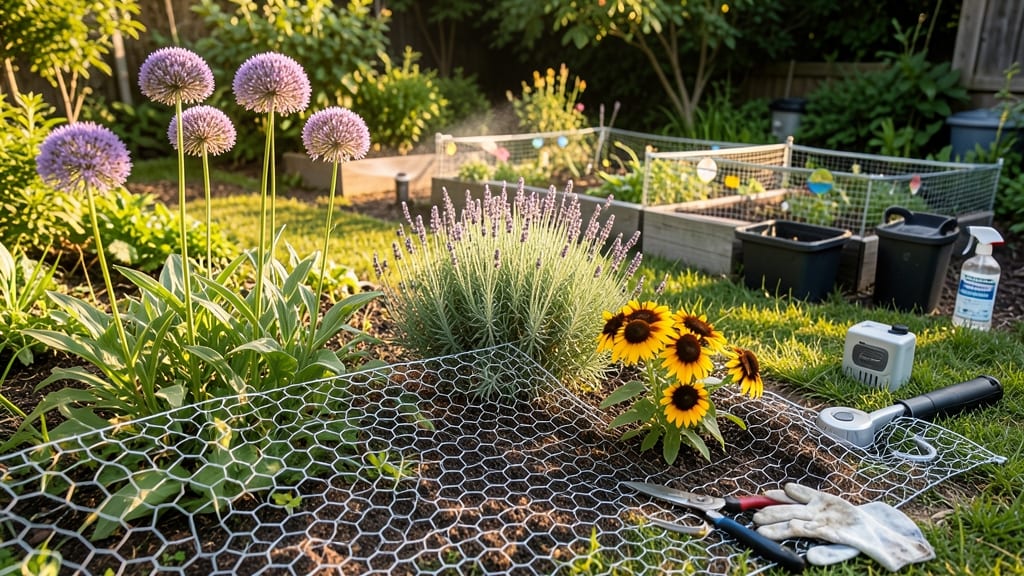
How to keep wildlife out of your yard without turning it into a warzone—your garden should be a sanctuary, not a buffet. 🌱 I’ve spent years testing humane barriers after losing entire plantings to deer, rabbits, and even raccoons—here’s what finally worked without harming a single creature.
The key is layered defense: physical barriers (like 8-foot fencing for deer) combined with scent deterrents (garlic spray for rabbits) and habitat tweaks (securing compost bins). Most solutions fail because they target just one species or rely on cruel traps—this approach covers all bases.
By the end, you’ll have a yard where plants thrive and wildlife stays at a respectful distance. The best part? These methods work year-round, from spring seedlings to fall harvests, without toxic chemicals or cruel devices.
Ready to reclaim your garden? We’ll start with the most effective barriers for your biggest pests—no guesswork, just results that protect both your plants and the local ecosystem.
📚 In This Guide
- What you need
- Instructions
- Tips and common mistakes
- Wrapping up and next steps
What you need
- ● Hardware cloth or chicken wire (¼-inch mesh for rabbits/squirrels, 1-inch for larger critters like raccoons). Quantity: Enough to cover vulnerable areas (e.g., 10’x10’ for a garden bed).
- ● Sturdy stakes or posts (1-inch diameter, 12–18 inches long). Quantity: 4–6 per 10-foot section.
- ● Heavy-duty zip ties or wire fencing staples (for securing mesh to stakes).
- ● Landscape fabric (to block burrowing animals like gophers). Quantity: 3–4 feet wide, cut to fit.
- ● Garden hose or spray nozzle (for soapy water deterrents—see tips below!).
- ● Measuring tape and scissors/wire cutters.
- ● Motion-activated sprinklers (e.g., Orbit Enforcer) for deer or rabbits. Bonus: Doubles as a fun garden feature!
- ● Commercial repellents (like Hot Sauce Pepper Spray or Predator urine granules). Pro tip: Reapply after rain!
- ● Decoy plants (e.g., marigolds or garlic) to mask scent trails.
- ● Rocks or mulch (to create a natural barrier around flower beds).
Step-by-step instructions for creating humane wildlife barriers
Here's how I've kept raccoons, rabbits, and squirrels out of my yard without harming them.
🪴 Step 1: Identify Problem Areas and Wildlife Types
First, walk your yard and note where wildlife is most active—look for disturbed soil, chewed plants, or droppings. Different animals require different barrier approaches. Rabbits and ground squirrels need 8-inch tall fencing buried 6 inches deep, while raccoons and possums require 10-foot tall barriers with overhangs. I keep a small notebook to track which areas need attention first.
Pay attention to entry points like gaps under decks, pet doors, or low tree branches. These are prime access points for determined wildlife. I mark these spots with flags so I don’t miss them during installation. Remember, a barrier is only as strong as its weakest link—skipping even one entry point means failure.
💧 Step 2: Choose and Install Physical Barriers
For ground-dwelling animals like rabbits, install hardware cloth (1/2-inch mesh) around garden beds and raised beds. Bury the mesh 6 inches deep to prevent digging. I use galvanized steel mesh because it lasts longer and won’t rust. Secure it tightly to posts or stakes every 2 feet to prevent gaps where animals can squeeze through.
For climbing animals like raccoons or squirrels, use fencing with an outward-facing overhang (like a 12-inch lip) to prevent them from climbing over. I’ve had success with chain-link fencing stretched taut between sturdy posts. For trees, wrap the trunk with tree guards or metal collars to block climbing pests. Check for loose spots every few weeks—wildlife will exploit even small openings.
☀️ Step 3: Use Natural Deterrents Along Barriers
Combine physical barriers with natural repellents like prickly plants (like rosemary or lavender) along fences. The scent and texture deter many animals. I also sprinkle diatomaceous earth (food-grade) around garden edges—it’s harmless to wildlife but makes digging uncomfortable. For larger areas, motion-activated sprinklers startle animals without harming them.
Avoid toxic chemicals—they can harm pets and beneficial insects. Instead, use reflective tape on fences to create movement that confuses animals. I’ve seen raccoons avoid areas with even a few strips of tape fluttering in the breeze. Combine these methods for the best results—no single solution works for every animal.
✂️ Step 4: Maintain and Monitor Barriers Regularly
Check your barriers weekly for damage, gaps, or signs of wear. Animals are persistent—they’ll find weaknesses if given the chance. I schedule a quick inspection after storms or heavy rains, as wind or rain can loosen fences. Reinforce any weak spots immediately. For buried mesh, pull back soil to check for digging attempts and re-bury if needed.
Adjust barriers as needed based on wildlife behavior. If you notice new entry points, like a hole under a shed, seal it right away. I keep a small toolkit handy for quick repairs—duct tape and wire can be temporary fixes until I get proper materials. The key is consistency: wildlife will test your barriers, so stay vigilant.
Tips & tricks for effective humane wildlife barriers
These practical strategies will help you create wildlife barriers that actually work—without compromising safety or effectiveness.
Visual Inspection is Key: Before installing barriers, conduct a thorough walkthrough with a notebook and pen. Look for subtle signs like tiny claw marks on fences, fresh droppings near garden edges, or chewed plants. I once missed a 2-inch gap under a shed until I saw a raccoon's paw prints in the dirt—this became my first lesson in how determined these animals can be. Mark every potential entry point with colored flags so you don't overlook anything during installation.
Layer Your Defenses: Wildlife is resourceful, so combine physical barriers with sensory deterrents. For example, install your 8-inch hardware cloth fence, then add a 12-inch outward overhang at the top. Alongside this, plant rosemary bushes at fence corners—their prickly texture and strong scent create an additional barrier. I've seen squirrels completely avoid areas where both physical and sensory deterrents are present. This layered approach creates a psychological barrier that's harder for animals to overcome.
Material Selection Matters: Don't skimp on quality when choosing fencing materials. Galvanized steel mesh lasts significantly longer than plastic alternatives, and chain-link fencing provides better durability than woven wire. For tree guards, opt for metal collars rather than plastic—they're more resistant to chewing and weather damage. I learned this the hard way when my first plastic tree guards were shredded by determined squirrels within weeks. Investing in quality materials means fewer repairs and longer-lasting protection.
Seasonal Adjustments: Wildlife behavior changes with seasons. In spring and summer, focus on ground-level barriers for rabbits and burrowing animals. In fall, when raccoons and opossums become more active, prioritize overhead barriers and tree guards. I adjust my inspection schedule accordingly—weekly checks in summer, biweekly in winter when animals are less active. This seasonal approach prevents you from overlooking vulnerabilities during peak activity periods.
Pro Tips for Keep Wildlife Out Of Your Yard
- These practical strategies will help you create wildlife barriers that actually work—without compromising safety or e...
- Visual Inspection is Key: Before installing barriers, conduct a thorough walkthrough with a notebook and pen. Look fo...
- Layer Your Defenses: Wildlife is resourceful, so combine physical barriers with sensory deterrents. For example, inst...
Frequently asked questions
Got questions about keeping wildlife at bay without harming them? Here are some of the most common concerns—and straightforward answers to help you create a wildlife-friendly yard.
What’s the best time of year to set up wildlife deterrents?
Spring and early summer are ideal! Wildlife becomes more active as food sources become abundant, so installing barriers, fences, or repellents before nesting season (late spring) gives you the best chance of success. For pests like raccoons or skunks, fall is also key—they start scouting for winter dens.
Are there humane alternatives to traps or poison?
Try motion-activated sprinklers, ultrasonic repellents, or even planting wildlife-unfriendly flora (like daffodils or marigolds). Physical barriers—like chicken wire or mesh fencing—are also effective. Always avoid harming animals; relocate them safely if possible, following local laws.
How much does it cost to wildlife-proof my yard?
Costs vary! Basic solutions (like repellents or DIY fencing) can run $20–$50, while professional-grade barriers or electric fencing may cost $100–$500+. Prioritize high-risk areas (garbage bins, compost piles) first for the best ROI.
Will wildlife eventually stop coming back if I use deterrents?
Consistency is key! If you combine multiple methods (e.g., fencing + repellents + habitat removal), wildlife will learn to avoid your yard over time. However, some species (like raccoons) are persistent—stay vigilant, especially during food scarcity (winter or drought).
Can I keep wildlife out without harming plants or pets?
Yes! Opt for pet-safe repellents (like vinegar or pepper spray) and avoid toxic chemicals. For plants, use physical barriers (like mesh over gardens) or companion planting (e.g., lavender deters deer). Always test solutions in small areas first to check for damage.
Wrapping up and next steps
Keeping wildlife out of your yard doesn’t have to mean harsh chemicals or cruel traps—humane barriers and smart strategies work wonders! 🌿 From fences and repellents to habitat tweaks, these methods protect your space and the critters sharing it.
Start small, stay consistent, and soon, your yard will be a wildlife-free haven and a safer ecosystem.
Ready to take action? Pick one method from this guide and try it this weekend! Every step counts—your future self (and your garden) will thank you. 🚀