
How To
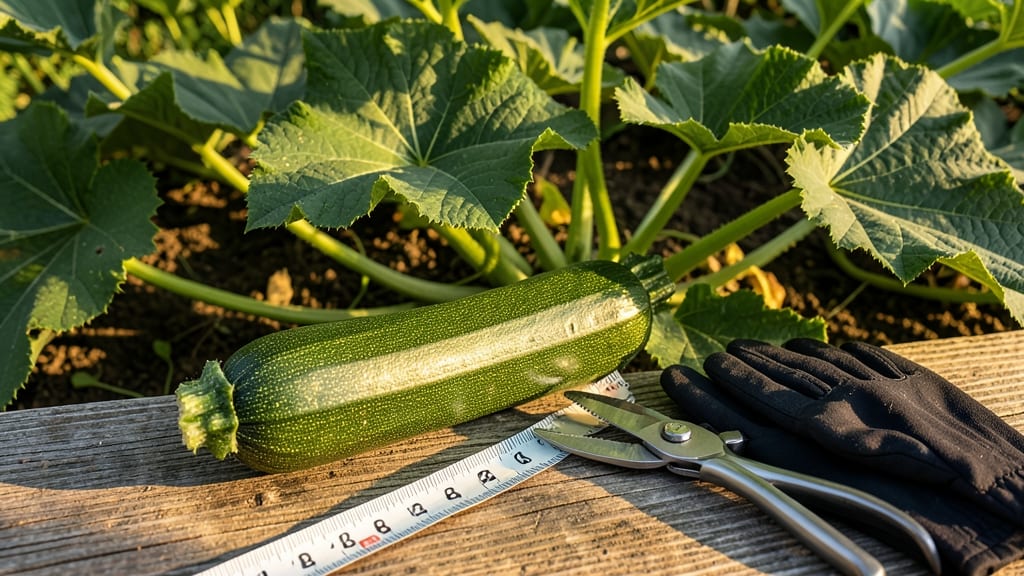
Knowing how to know if zucchini is ripe can mean the difference between sweet, tender 🎃 squash and bitter, seedy disappointment. If you've ever pulled a zucchini from your garden only to find it woody or overgrown, you're not alone—even experienced gardeners sometimes miss the perfect window.
Here's the good news: ripeness isn't just about size. The key lies in combining visual cues with simple tactile tests. A quick check of skin firmness, stem color, and even how the fruit feels when you gently press it can tell you everything you need to know.
These methods work for both green and yellow varieties, no matter your USDA zone.
Why does this matter? Because zucchini ripens fast—sometimes in just 24 hours—and once it passes its prime, it's a race against time.
I'll show you how to spot the ideal moment so you never miss it again, plus what to do if you harvest too early or too late.
Ready to transform your garden harvests? Let's dive into the three foolproof tests that will have you picking zucchini at peak perfection every time.
3 Tactile tests to determine zucchini ripeness (with visual cues)
Harvesting zucchini at the right moment transforms your garden into a flavor factory. The key? Three simple tactile tests that reveal ripeness through touch, not just sight. I’ve used these methods for years, and they’ve saved me from bitter, seedy squash that’s past its prime.
Start by examining the stem end—this is your first clue. A ripe zucchini’s stem will show a yellowing or browning where it connects to the fruit.
This color change signals the fruit is ready to be picked. If the stem end is still bright green, give it another week.
Next, check the skin texture with your thumbnail. Press gently on the squash’s skin—if it yields slightly (like pressing a ripe avocado), it’s perfect. A firm, unyielding surface means it’s too early, while a soft, mushy feel indicates overripeness.
Here’s where most gardeners go wrong: they rely solely on size. While most zucchini varieties reach 6-8 inches at peak ripeness, size alone isn’t enough. A squash can be the right length but still underdeveloped or overripe. Combine all three tests for accuracy.
Pro tip: Harvest in the morning when temperatures are cool. This ensures the squash is at its firmest, freshest state. Use a sharp knife or pruners to cut the stem, leaving a small stub to prevent disease.
Seasonal factors matter too. In hotter months, zucchini ripens faster—check daily. In cooler weather, they take longer to reach peak ripeness. Adjust your harvesting schedule accordingly to avoid missing the window.
One common mistake? Waiting until the squash is too large. By the time it’s 10+ inches, the flesh is often woody and seedy. I’ve learned the hard way—smaller, frequent harvests lead to bigger yields over the season.
For extra accuracy, run your fingers along the seeds inside the squash (if you’re feeling bold!). Ripe zucchini will have small, soft seeds. Large, hard seeds mean it’s overripe. This test works best if you’ve already cut into one or two squash.
Remember: Consistency is key. The more you harvest at peak ripeness, the more your zucchini plants will produce. It’s a feedback loop—your plants reward timely harvests with more flowers and fruit.
Now grab your gloves and head to the garden. With these three tests, you’ll never second-guess ripeness again. Happy harvesting! 🎃
3 Tactile tests to determine zucchini ripeness (with visual cues)
Zucchini ripeness isn't just about size—it's about three key tactile cues that tell you when to harvest for peak flavor. I've learned the hard way that ignoring these signs leads to either underripe, bland squash or overripe, seedy monsters that take over your garden.
The good news? These tests take seconds and require no special tools—just your hands and eyes.
First, check the stem color. A ripe zucchini's stem end should turn bright yellow (not green). This color change signals the fruit is ready to pick. I always test this first because it's the most obvious visual cue.
If the stem end stays green, give it a few more days—your zucchini needs more time on the vine.
Next, perform the thumbnail pressure test on the squash's skin. Press your thumbnail into the flesh—it should yield slightly (like pressing a ripe avocado) but not dent deeply. If the skin springs back immediately, your zucchini needs more time.
I use this test daily because it's the most accurate way to judge ripeness without cutting into the fruit. Remember: firm but yielding is the sweet spot.
Finally, check the size and shape. Most zucchini varieties reach 6-8 inches long when ripe. Look for a smooth, rounded shape—no bumps or irregularities. I've found that bush varieties (like 'Patio Star') stay smaller (4-6 inches) at peak ripeness, while vining types (like 'Black Beauty') can grow larger.
Pro tip: If you see bees pollinating the flowers, your zucchini is on its way to ripeness!
One common mistake I see is harvesting based on size alone. A zucchini can be 8 inches long but still underripe if it fails the other two tests. Conversely, a 4-inch squash might be perfect if it passes all three checks.
Always use these three tests together—never just one. When you combine stem color, skin texture, and size, you'll never miss the perfect harvest window again.
Remember: Zucchini ripen fastest in warm weather (75°F+). In hot climates, check your plants every 2-3 days—they can go from perfect to overripe overnight. And if you're growing yellow varieties like 'Golden Zucchini', the skin will turn a pale yellow when ripe, not bright yellow like green types.
Now grab your gardening gloves and put these tests to work!