
How To
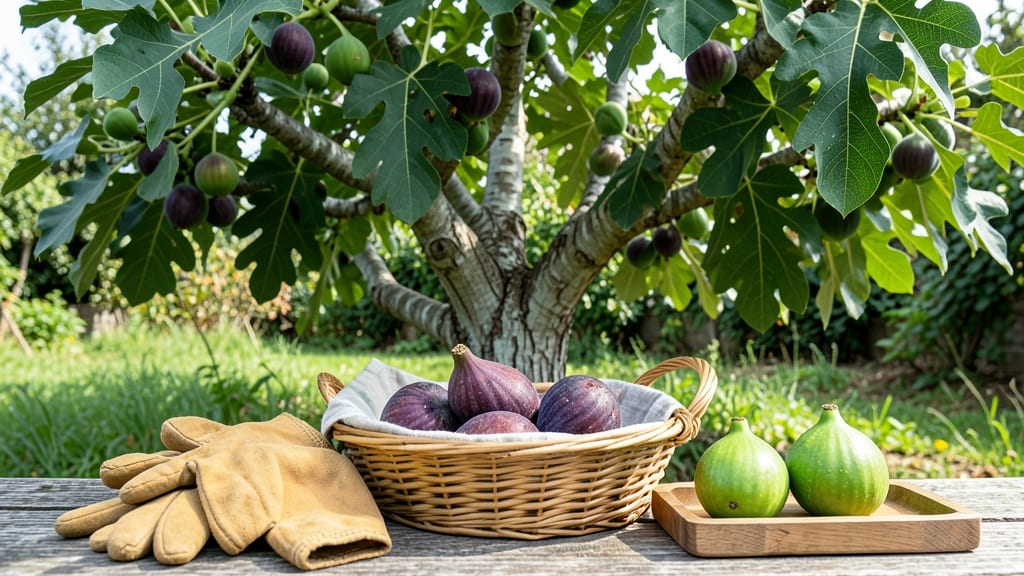
How to know when your 🍈 figs are ready to pick can turn a guesswork harvest into a sweet, foolproof success. That perfect balance of ripeness—where flavor peaks and texture is just right—happens faster than you think, and missing it means bland, mushy fruit instead of the juicy reward you’re after.
I’ve spent years watching fig trees in Zone 6a transform from spring’s tender shoots to summer’s heavy-laden branches, and the secret to timing isn’t just about color—it’s about what happens when you touch them.
A simple squeeze or twist can tell you everything you need to know before the fruit even hits your kitchen counter.
What if you could avoid the frustration of picking figs too early (or too late) and instead harvest them at their absolute peak? The answer lies in three easy tests that work for every variety, from the classic Black Mission to the hardy Chicago Hardy.
Let’s break down exactly how to use them so you never miss another perfect fig again.
Whether you’re a first-time gardener or a seasoned grower, these tactile tricks will have you confidently harvesting figs from August through October—no more second-guessing, just pure, sweet satisfaction with every bite.


3 Tactile tests to determine fig ripeness (with visual cues)
Figs ripen quickly, and their flavor peaks at a very specific moment. Unlike many fruits, you can't rely on size or days since flowering—tactile cues are your best guide.
I’ve harvested hundreds of figs, and these three tests never fail me: skin color, firmness, and stem detachment. Each tells a different story about ripeness, and ignoring any one can mean missing the sweet spot.
First, let’s talk color changes, which vary wildly by variety. A Black Mission fig might turn deep purple, while a Brown Turkey stays greenish-brown. But color alone isn’t enough—texture and touch confirm true ripeness.
For example, a fig might look ripe but still feel rock-hard inside. That’s where the tactile tests come in to save the day.
🌱
| Test | What to Look/Feel For | What It Means |
|---|---|---|
| 1. Skin Color | Deep, mature hue (purple, brown, or yellow) | Variety-specific ripeness (e.g., Black Mission = purple) |
| 2. Firmness Test | Gives slightly when pressed (like a ripe peach) | Peak sweetness; avoid mushy overripe figs |
| 3. Stem Detachment | Twists off easily with a slight tug | Fully ripe and ready for harvest |
The firmness test is my favorite because it’s foolproof. Gently squeeze the fig—if it yields slightly (like pressing a ripe avocado), it’s perfect. But if it’s rock-hard, it’s underripe, and if it feels mushy, it’s overripe.
I once picked a batch that looked ripe but felt like rubber inside—waste of flavor! Pro tip: Use your thumb and forefinger for precision.
Next, check the stem detachment. A ripe fig should twist off with minimal force. If it resists, it’s not ready. If it falls off at the slightest touch, it’s past its prime.
This test is especially critical for late-season figs, which can ripen unevenly. I always harvest in the morning when temps are cool—figs detach more easily and retain sweetness longer.
One common mistake? Ignoring the base. The area where the fig meets the branch should darken slightly (e.g., brown or reddish). This is your final green light. I’ve seen gardeners overlook this cue and end up with underripe figs that never sweeten properly.
Pair this with the other two tests, and you’ll never miss the window again.
🌿
For container-grown figs, ripeness tests are even more critical because limited root space can speed up ripening. I’ve noticed my potted Celeste figs ripen 1-2 weeks earlier than in-ground trees. If you’re growing figs in pots, check daily once they start coloring up.
And remember: size isn’t destiny. A small fig can be perfectly ripe, while a large one might still be hard.
Finally, temperature matters. Figs ripen faster in hot, dry weather—sometimes in as little as 24 hours. If you’re in a Zone 9+ climate, you might need to harvest every other day during peak season.
I once had to pick figs three times in one week during a heatwave. Keep a small basket nearby and check your trees twice daily to avoid missing the sweet spot.
✂️
3 Tactile tests to determine fig ripeness (with visual cues)
Figs ripen quickly, so timing your harvest is everything. Unlike some fruits, you can't judge ripeness by size alone—even large figs might still be tough. Instead, focus on three tactile tests that reveal when they're at peak flavor.
These methods work for container-grown and in-ground fig trees alike, and they apply to common varieties like Black Mission and Brown Turkey.
First, check the skin color. Mature figs develop their signature hue—deep purple, brown, or yellow—depending on the variety. But color alone isn't enough; you'll also need to feel the fruit.
Press gently with your thumb: a ripe fig should yield slightly, like a ripe peach, while an unripe one feels firm and unyielding. This pressure test is your best indicator of internal ripeness.
Here’s how these tests compare across key fig varieties and what to watch for in each case:
| Test | Black Mission | Brown Turkey | Chicago Hardy |
|---|---|---|---|
| Skin Color | Deep purple-black | Brown with green blush | Green turning yellow-brown |
| Firmness Test | Yields slightly, skin softens | Gives under gentle pressure | Skin dimples when pressed |
| Stem Test | Base turns brown, detaches easily | Stem dries, fruit twists off | Stem shrinks, fruit pulls away |
| Size Indicator | 2-3 inches wide | 1.5-2.5 inches wide | 1-2 inches wide |
The third test is often overlooked but critical: twist the fig gently at its stem. If it detaches easily with a slight tug, it’s ready. This happens because the fruit’s internal sugars trigger enzymes that weaken the stem’s attachment.
Skip this step, and you might pick figs too early or too late—both ruin the flavor.
Pro tip: Morning harvests yield the sweetest figs because overnight cooling enhances their natural sugars. Avoid picking after rain, as moisture can dilute flavor and make figs mushy. If you’re unsure, cut one open—ripe figs have a juicy, honey-like interior with no hard seeds.
Remember, figs won’t ripen further after picking, so timing is everything. Master these tests, and you’ll enjoy figs at their peak—bursting with flavor and perfect texture. Happy harvesting! 🌱