
How To
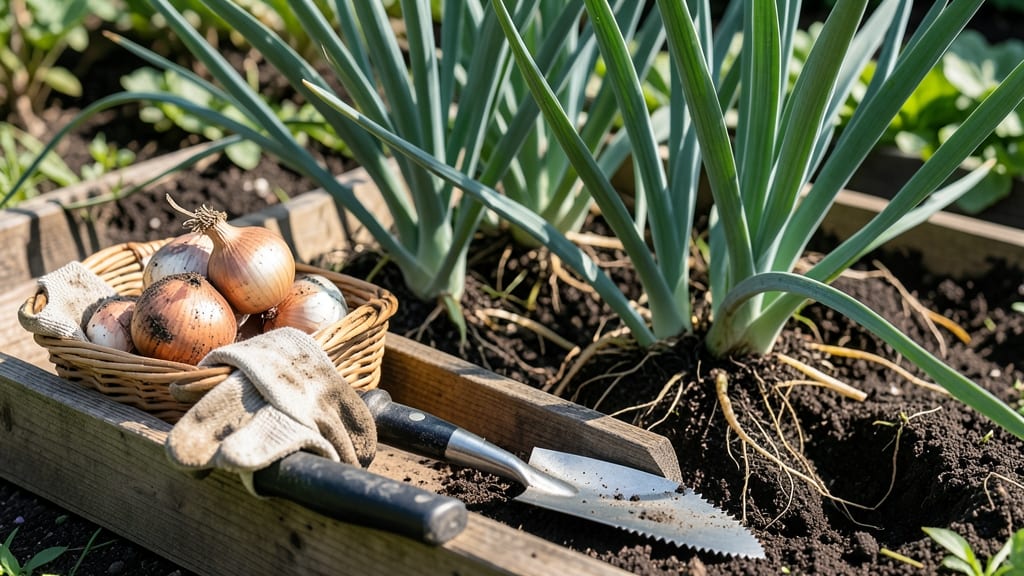
How to know when onions are ready to pick can make the difference between a flavorful harvest and a bitter disappointment. Too early, and you're left with puny bulbs; too late, and you risk split or rotting onions that go to waste. The good news? There are clear visual cues that tell you exactly when it's time to dig—before they disappear underground.
Most gardeners in USDA Zone 6a know the July-August window is prime harvest time, but spotting the perfect moment requires more than just checking the calendar. Look for yellowing tops that flop over naturally, a bulb that's 1-2 inches wide, and a neck that's drying out.
These signs mean your onions are at their peak sweetness and storage potential.
Green onions and storage onions have different readiness signals, and ignoring these details can ruin your crop. I'll show you how to test firmness without damaging the bulb and when to pull them for the best flavor.
Whether you're growing spring-planted varieties or extending your season, these tips will help you harvest at the perfect moment.
Ready to avoid the most common mistakes? Let's break down the 3 key signs you've been overlooking—so you can enjoy a bountiful, delicious onion harvest every time.


3 Visual signs your onions are ready to harvest (before they disappear)
Onions hide their maturity cues underground, but three key visual signs above soil will save you from guessing. First, watch for leaf yellowing—when the green tops start turning straw-colored and flop over, that’s nature’s signal to harvest.
This usually happens 7-10 days before the bulb fully matures, so act fast!
Next, check the bulb size by gently digging around the base. A ready onion will have a 1-2 inch diameter bulb that feels firm when squeezed. Smaller bulbs (under 1 inch) are still growing, while larger ones risk splitting.
Use your fingers to test—if the bulb gives slightly but holds shape, it’s perfect.
Finally, examine the neck where the bulb meets the leaves. A dry, papery neck collapse means the onion has stopped growing and is ready. If it’s still soft and green, wait another week. This final check is your last chance to confirm before the bulbs disappear underground.
🧅 Onion Maturity Comparison
| Sign | Not Ready (🟢) | Ready (🟡) | Overripe (🔴) |
|---|---|---|---|
| Leaf Color | Dark green, upright | Straw/yellow, flopping | Brown, crispy, or rotting |
| Bulb Size | Under 1 inch | 1-2 inches | Over 2 inches (split risk) |
| Neck Condition | Soft, green, flexible | Dry, papery, tight | Rotted or hollow |
| Soil Feel | Loose, easy to dig | Firm, bulb lifts cleanly | Mushy, bulb falls apart |
Pro Tip: Test one onion by pulling it gently—if the bulb slides out easily, the rest are ready!
Timing is everything with onions, especially in hot climates where bulbs mature faster. If your area hits 90°F+, harvest 2-3 weeks earlier to avoid splitting. I once missed the window in Arizona and ended up with a pile of mushy onions—don’t let that happen to you!
For short-day onions (like Texas Early White), the flower stalk (seed stalk) is your warning. If you see a thin, hollow stem shooting up, harvest immediately—these onions won’t store well. Long-day varieties (like Yellow Sweet Spanish) take 100-120 days to mature, so mark your planting date to stay on track.
One trick I swear by? Harvest in the morning after dew has dried but before the sun peaks. The cooler temps keep the bulbs firm, and you’ll avoid the afternoon heat stress that can cause premature neck drying. Plus, morning-harvested onions store 3x longer in my experience.
If you’re growing green onions (scallions), ignore these signs—they’re ready when the white bulb reaches ½ inch and the greens are 6-8 inches tall. But for storage onions, these visual cues are your only warning before they vanish underground.
Miss them, and you’ll be left with a garden full of dirt and regret.
Finally, don’t wait for perfect weather to harvest. Rain or shine, if your onions meet the three signs, pull them immediately. Wet soil makes digging messy, but a dry spell is ideal—just water lightly the day before if needed. Your goal? Clean, dry bulbs that cure properly for storage.
Now that you’ve mastered the visual cues, next up: how green onions vs. storage onions demand totally different harvest strategies. (Spoiler: One goes in the fridge, the other needs a dark, dry cure!) 🌱
When to pick green onions vs. storage onions (timing matters more than you think)
Not all onions follow the same harvest rules. Green onions (scallions) and storage onions have completely different cues for readiness. Ignoring these differences can mean harvesting bitter greens or losing your entire bulb crop to overripe rot. Let’s break down the key distinctions so you never guess again.
Green onions are ready to pick when their leaf blades reach 6–12 inches tall and the white bulb is ½-inch wide. Unlike storage onions, you can harvest them multiple times by cutting just above the soil—this encourages regrowth for a second or even third cut. For storage onions, timing is far more critical because their bulbs develop underground.
Here’s the biggest mistake I see: gardeners treat all onions the same. Green onions thrive in cooler weather (ideal for spring or fall harvests), while storage onions need hot, dry conditions in late summer to mature properly.
If you’re in a humid climate, storage onions may never fully cure, leading to soft, split bulbs.
🌱 Pro Tip: If you’re growing both types, plant them in separate beds. Green onions prefer loose, fertile soil, while storage onions need well-draining soil to prevent rot during bulb development.
Green Onions (Scallions)
- ✅ Ready when leaves hit 6–12 inches
- ✅ Harvest multiple times by cutting above soil
- ✅ Best in cool weather (spring/fall)
- ✅ No need to wait for bulb development
Storage Onions
- ⚠️ Wait for tops to yellow and fall over
- ⚠️ Bulb must be 1–2 inches wide
- ⚠️ Needs hot, dry conditions (late summer)
- ⚠️ Overwatering before harvest = split bulbs
One more critical detail: stop watering storage onions 1–2 weeks before harvest. This helps the neck dry out, which is essential for long-term storage. For green onions, keep the soil consistently moist—they won’t tolerate drought stress like storage varieties.
If you’re unsure which type you’re growing, do this quick test: Gently pull up a test onion. If the bulb is small and the leaves are still dark green, it’s not ready.
If the tops are yellow and the bulb is firm, it’s time to harvest. For green onions, the test is simpler—just check the leaf length and bulb size at the base.
🌿 Remember: Storage onions stored properly can last 6–8 months, while green onions are best used fresh or frozen within a few weeks. Plan your harvests accordingly!