
How To
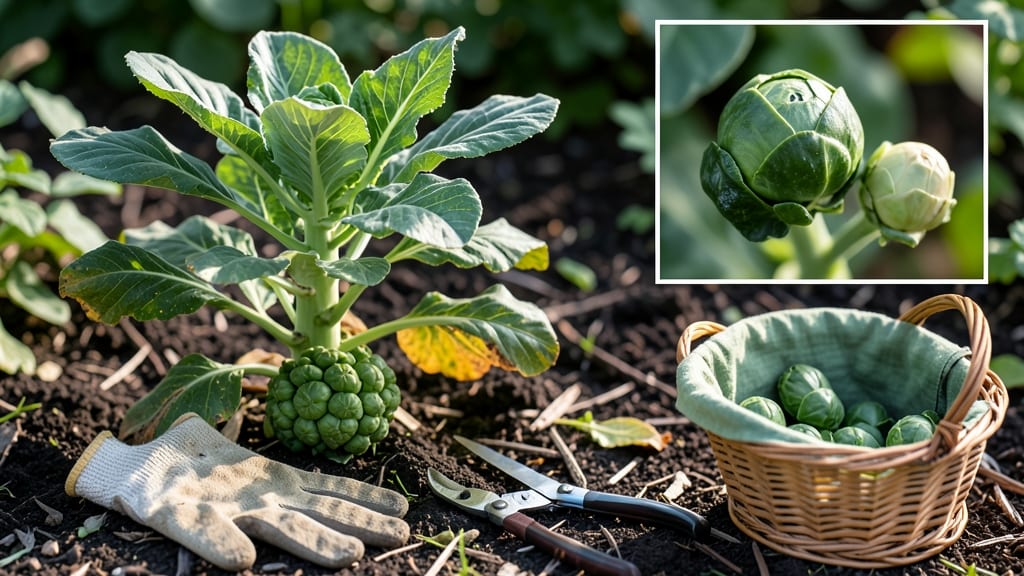
Knowing how to know when Brussels sprouts are ready to pick can mean the difference between sweet, tender bites and tough, bitter disappointment. These little green gems need precise timing—too early, and they’re underdeveloped; too late, and they turn woody.
The key is catching them at that perfect moment when size, color, and firmness all align.
Most gardeners start checking their plants around 90 days after transplanting, but the real test is what’s happening right in front of you. Look for buds that are 1 to 1.5 inches wide, deep green, and firm to the touch.
If they snap easily when bent (not pulled), that’s your cue—they’re ready. Skip this step, and you might miss the window entirely.
Cool weather actually works in your favor here, as it slows growth and keeps flavors sweeter. But don’t wait until the first frost—harvest before then to avoid damage.
Once you master these visual and tactile clues, you’ll never second-guess your timing again. Let’s break down exactly what to look for and how to avoid common mistakes.
Whether you’re a first-time grower or a seasoned pro, getting this right ensures your harvest is packed with flavor. I’ll walk you through the step-by-step process, so you can confidently pick your sprouts at their peak—and enjoy the rewards of your hard work.


5 Visual and tactile signs Brussels sprouts are ready to harvest
Brussels sprouts mature from the bottom up, so you’ll need to inspect your plant regularly—starting about 90 days after transplanting—to catch them at peak flavor. The key is balancing size, color, and texture because overripe sprouts turn woody and bitter, while underripe ones stay tough and pale.
Begin by examining the lowest buds first since they mature earliest. These are your best indicators of readiness, as the plant continues producing upward. If the lower sprouts are perfect, the ones above will follow in about 1-2 weeks.
Pro tip: Use a magnifying glass for close-ups if your vision isn’t sharp!
Here’s what to look for when checking your Brussels sprouts:
One common mistake is assuming all sprouts on a plant are ready at once. Harvest from the bottom up to extend your harvest window by 4-6 weeks. If you miss a sprout, it’ll continue growing but lose quality fast—so check your plants every 3-5 days once they’re near size.
Cool weather (50-60°F) actually enhances sweetness in Brussels sprouts, so a light frost won’t harm them. In fact, a light freeze can sweeten underripe sprouts overnight—just don’t let temps drop below 20°F for prolonged periods. This is why fall-planted sprouts often taste better than summer ones!
If you’re unsure whether a sprout is ready, try the "snap test": Hold the stem and bend it gently. A ready sprout will snap cleanly near the base, while an unripe one will bend without breaking. This tactile check is foolproof for determining doneness on the spot.
Remember: Overharvesting stresses the plant, so leave at least 3-4 inches of stem between cuts. If you remove too much at once, the plant may produce fewer sprouts or bolt prematurely. Balance is key—like pruning tomatoes, but with smaller stakes!
Finally, store freshly picked Brussels sprouts in the crisper drawer of your fridge for up to 1 week. For longer storage, blanch and freeze them—this preserves their vibrant green color and crisp texture for months.
Just be sure to trim the stem and remove outer leaves before storing to keep them fresh.
5 Visual and tactile signs Brussels sprouts are ready to harvest
Brussels sprouts mature from the bottom of the stem upward, so start checking the lowest buds first. These tiny cabbages need precise timing—too early and they’re bitter, too late and they become tough. Focus on these five key indicators to nail the perfect harvest window.
First, look for deep green color without any yellowing or brown spots. Ready-to-pick sprouts should be vibrant, not dull. The skin should also feel smooth and firm when you gently squeeze them—like a ripe pea, not a hard rock.
Pro tip: Harvest from the bottom up to encourage more buds to form higher on the stem. Use a sharp knife or pruners to cut sprouts cleanly, leaving a half-inch stem attached. This prevents damage and keeps the plant productive for weeks.
Cool weather (50-60°F) actually sweetens Brussels sprouts, so a light frost can improve flavor. But if temperatures drop below 20°F, the plant may suffer—so harvest before then if needed.
If you miss the window, don’t panic! Store unharvested sprouts in the fridge for up to 2 weeks, but they’ll lose some sweetness. For the best taste, aim to pick them fresh from the plant when they’re firm, bright, and perfectly sized.