
How To
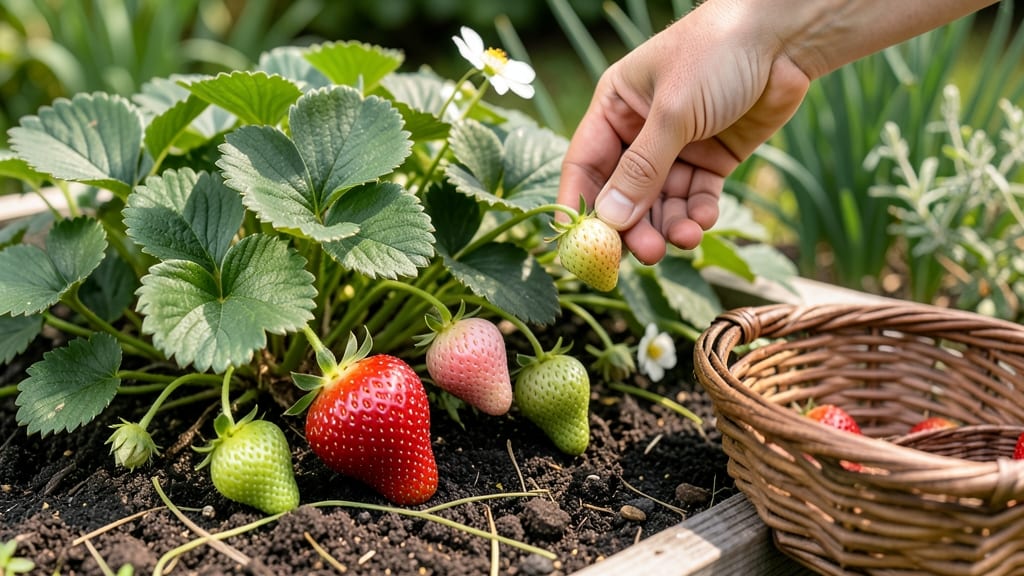
Knowing how to know when a strawberry is ripe can mean the difference between juicy, sweet perfection and a mealy disappointment. That first bite of a fully ripe 🍓 should be bursting with flavor, but grabbing one too early—or too late—ruins the magic.
Most gardeners focus on color, but there’s more to it than just red. The texture, the way it feels when you gently squeeze it, and even the scent wafting from the berry all play a role.
Ignore these clues, and you might end up with strawberries that are either bland or mushy.
I’ve spent years watching strawberries transform from green to ripe, and I’ll show you the 5 key signs that prove a strawberry is ready to pick. No more guesswork—just perfect, flavor-packed harvests every time.
Whether you’re growing strawberries in Zone 6a or just grabbing them from the farmer’s market, these tips will help you spot ripe strawberries like a pro. Let’s dive into what to look for—and what to avoid.


5 Visual cues to identify perfectly ripe strawberries
Strawberries don’t ripen perfectly on the vine—so knowing the 5 key visual cues separates expert harvests from wasted fruit. Start by examining the berry’s color, which is your first clue. A ripe strawberry should be uniformly deep red (or the correct color for your variety, like yellow or white).
Even a tiny green spot means it needs more time on the plant.
Next, check the stem attachment. When ripe, the strawberry’s stem snaps cleanly when you gently tug it. If it resists or pulls away with the fruit, it’s not ready. This stem test is foolproof for avoiding underripe berries that’ll never sweeten properly.
Texture reveals a lot too. A ripe strawberry has a slightly soft surface with a gentle give when you press your thumb against it. If it feels rock-hard, it’s unripe. Overripe berries, meanwhile, turn mushy—so timing is everything!
Your nose knows best too. Crush a tiny piece between your fingers—ripe strawberries release a sweet, fragrant aroma. If it smells tart or bland, it’s not ready. This scent test works even for white or yellow varieties, which can be trickier to judge by color alone.
Finally, inspect the calyx (the leafy top). A ripe strawberry’s calyx will have turned slightly dry and crisp, while unripe ones stay green and plump. This subtle detail often reveals ripeness before other signs appear.
| Cue | Ripe Strawberry | Unripe Strawberry |
|---|---|---|
| Color | Uniform deep red/yellow/white | Green or patchy |
| Stem Test | Snaps cleanly | Resists or pulls fruit |
| Texture | Slightly soft with give | Rock-hard or mushy |
| Aroma | Sweet, fragrant | Tart or bland |
| Calyx | Dry, crisp edges | Green, plump |
Pro tip: Check strawberries every 2-3 days during peak season. Berries ripen fastest in hot weather, so morning harvests yield the sweetest fruit. Avoid picking after rain—wet berries bruise easily and spoil faster.
Even experienced gardeners miss ripe strawberries by focusing on just one cue. Combine all 5 signs for foolproof picking. And remember: Overripe berries split open and attract pests, so harvest promptly when they meet these criteria!
For everbearing varieties, ripeness cues stay the same, but harvest more frequently since these plants produce fruit in multiple flushes. June-bearing types yield all at once, so plan to process extras like jam or freeze them.
Now that you’ve mastered the visual cues, your next challenge is harvesting without damaging the plant. Use clean scissors or your fingers to pinch the berry just above the calyx—never twist or pull, or you’ll damage the plant’s fruit-producing crown.
With these 5 visual cues in your toolkit, you’ll never waste another strawberry again. Happy harvesting! 🍓
5 Visual cues to identify perfectly ripe strawberries
Strawberries ripen quickly, so knowing the exact moment to pick ensures peak flavor and texture. The color shift from green to vibrant red (or yellow/white for heirloom varieties) is the first clue, but it’s just the beginning.
A ripe strawberry also changes in texture and aroma, giving it a signature feel and scent that unripe berries lack.
Don’t rely on one cue alone—combine these visual and tactile checks to avoid picking too early or too late. For example, a strawberry might look red but still taste tart if it’s not fully ripe. Here’s how to use these cues together for foolproof results every time.
| Cue | Unripe Strawberry | Perfectly Ripe Strawberry |
|---|---|---|
| Color | Green or patchy red | Uniform deep red (or variety-specific color) |
| Texture | Firm, no give | Slightly soft with a gentle yield |
| Aroma | Neutral or tart smell | Sweet, fragrant scent when crushed |
| Cap Attachment | Tightly attached | Pulls away easily with a slight twist |
| Taste | Tart or bland | Sweet, juicy, and fully developed |
Start by checking the cap (hull)—if it detaches easily when you gently twist, the strawberry is ready. This is a critical sign because it indicates the fruit has fully matured. Pair this with the color check: a ripe strawberry will have no green patches and a consistent hue.
Next, give the berry a gentle squeeze. A ripe strawberry should yield slightly under light pressure but not feel mushy. Overripe strawberries collapse when touched, while underripe ones feel rock-hard. This tactile test is especially useful for everbearing varieties, which produce berries in multiple flushes.
Finally, trust your nose. A ripe strawberry releases a sweet, floral aroma when you crush a tiny bit between your fingers. If it smells tart or neutral, it’s not ready yet. This scent test is my favorite trick—it’s instant and foolproof, even for beginners.
Pro tip: Pick strawberries in the morning when temperatures are cooler. This preserves their flavor and texture, making them last longer once harvested. Avoid picking after rain or in the heat of the day, as this can accelerate spoilage.