
How To
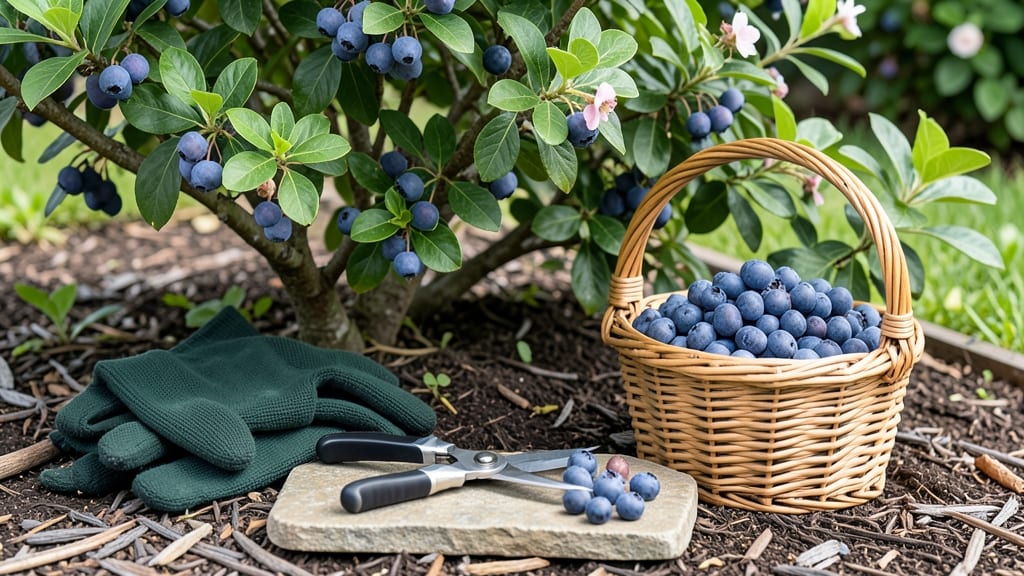
How to know when blueberries are ready to pick can turn a frustrating hunt into a rewarding harvest—here’s the foolproof way to tell.
Most gardeners make the mistake of picking too early, ending up with mealy, underripe fruit that lacks sweetness. But with just a few simple checks—like color, firmness, and how easily they detach—you’ll never miss the perfect moment again.
The key is catching them at peak ripeness, when they’re deep blue, plump, and ready to pop off the bush with a gentle tug.
Timing matters too: morning harvests yield the juiciest berries, while afternoon picking can leave you with fruit that’s already overripe. I’ll walk you through the exact steps to test ripeness without crushing a single berry, so you can fill your basket with sweet, vibrant 🫐 blueberries every time.
Whether you’re a first-time grower or a seasoned pro, these tips will save you from the disappointment of tart, underripe berries—and ensure your harvest is nothing short of delicious.


Blueberry ripeness indicators: color, size, and uniformity
When blueberries reach their peak ripeness, they transform from tart to sweet in just a few days. The key to harvesting at the perfect moment lies in three simple visual cues: color, size, and uniformity.
Ignoring these signs often leads to berries that are either too tart or already overripe and mealy.
Start by examining the color of the blueberries. Ripe blueberries should be a deep, rich blue or purple, not the pale pink or red you see on underripe fruit.
This vibrant hue indicates the berries have developed their full sugar content. If you’re still seeing green or red hues, hold off on picking—those berries need more time.
Next, check the size of the berries. Fully ripe blueberries are typically ½ to ¾ inch in diameter and plump to the touch. They should feel firm but slightly soft, like a ripe grape.
If they’re smaller or feel hard, they’re not ready yet. Overripe berries, on the other hand, may appear larger but feel mushy or even burst when touched.
Uniformity is another critical clue. Ripe blueberries on a bush should look consistent in color and size. If some berries are still red or green while others are deep blue, it’s best to wait a few days before harvesting.
This uneven ripening is common, especially in cooler climates or when plants are stressed.
| Ripeness Indicator | Ready Blueberries | Underripe Blueberries | Overripe Blueberries |
|---|---|---|---|
| Color | Deep blue or purple 🔵 | Red, pink, or green 🔴 | Dark blue with bruises |
| Size | ½ to ¾ inch | Small or shriveled 📏 | Larger but mushy |
| Texture | Firm but slightly soft 🤲 | Hard and crunchy | Mushy or leaking |
| Stem Attachment | Detaches easily ✂️ | Stays firmly attached | Drops off plant |
One common mistake is assuming all blueberries on a bush ripen at the same time. In reality, northern highbush varieties like 'Bluecrop' often ripen over a 2- to 3-week period, while southern highbush varieties like 'Misty' may ripen more quickly.
To avoid missing the window, check your bushes every 2-3 days during peak harvest season.
Pay special attention to the stems of the berries. Ripe blueberries should detach cleanly from the stem with a gentle tug. If the stem resists or breaks off, the berry isn’t ready yet.
Conversely, if the berry falls off the plant without any effort, it’s likely overripe. This easy-removal test is one of the most reliable ways to gauge ripeness without damaging the fruit.
Another pro tip: Harvest blueberries on a cool, cloudy morning. The berries will be firmer and less prone to bruising, making them easier to handle.
Avoid picking after heavy rain or in extreme heat, as these conditions can stress the plant and affect the flavor and texture of the berries.
Finally, don’t forget to inspect the leaves and branches of your blueberry bush. Healthy bushes produce the sweetest berries. If you notice yellowing leaves or wilting branches, it could indicate stress from drought, disease, or poor soil conditions—all of which can impact ripeness and flavor.
Blueberry ripeness indicators: color, size, and uniformity
Blueberries ripen from the inside out, so their color is the most obvious sign they're ready. Look for a deep blue or purple hue—never red or pink. Some varieties like Bluecrop stay slightly red-tinged, but they should still be fully darkened.
Avoid berries with green stems or patches of green on the fruit itself, as these indicate underripeness.
Size matters too—ripe blueberries are plump and uniform in shape. If they feel smaller than a nickel or look shriveled, they’re not ready. Uneven sizes often mean some berries ripened earlier than others. Check for smooth, glossy skin—dull or wrinkled berries are past their prime and may be mealy.
Here’s how to quickly compare ripeness stages using these key indicators:
| Indicator | Underripe | Perfectly Ripe | Overripe |
|---|---|---|---|
| Color | Red/Pink 🔴 | Deep Blue/Purple 🔵 | Dull, Dark 🌑 |
| Size | Small 📏 | Plump (like a nickel) | Shriveled 🤏 |
| Stem | Green 🌱 | Dry, Brown | Falling Off |
Pro tip: Varieties ripen at different times. Early-season types like Jersey ripen in June, while late varieties like Patriot peak in August. Keep a harvest journal to track your bushes’ patterns—this helps you anticipate ripening windows each year.
If you’re unsure, pick a few berries from different branches and taste one. A ripe blueberry should be sweet with a hint of tartness, not sour or bland. Discard any that feel mushy or leak juice when squeezed—these are overripe and won’t store well.
Timing your harvest is crucial too. Morning picks yield the freshest berries because they’ve had a full night to cool down. Avoid harvesting after rain, as wet berries bruise easily and may develop mold. Use a small pair of pruning shears or your fingers to avoid crushing the fruit.