
How To
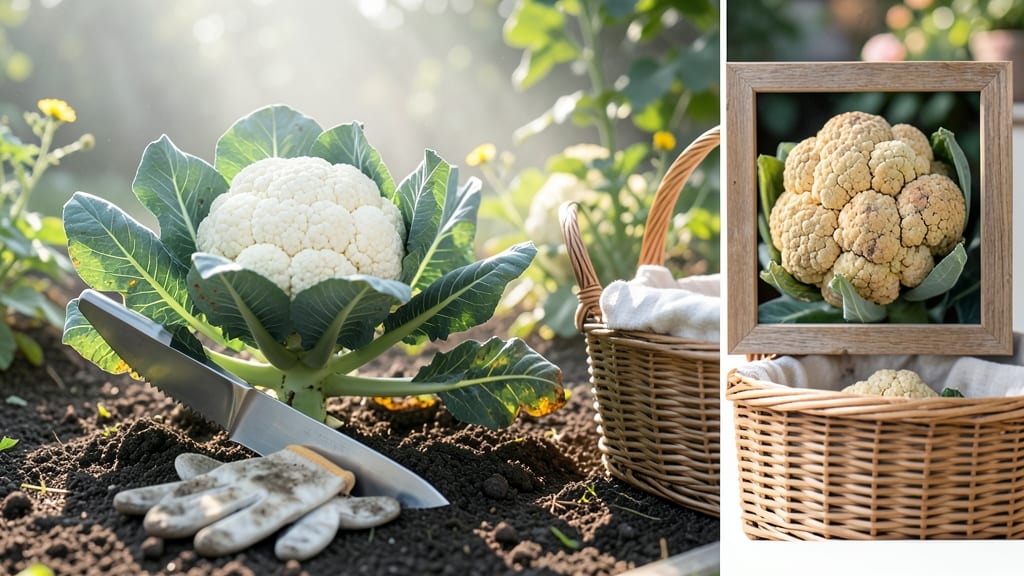
How to know when to harvest cauliflower can mean the difference between tender, sweet curds and tough, bitter disappointment. That perfect moment arrives when your 🥬 head reaches the right size, color, and firmness—but spotting it takes more than just luck.
If you've ever watched your cauliflower heads grow only to pick them too early (or too late), you know how frustrating it can be. The key lies in three simple tactile tests that reveal whether your plant is ready for harvest.
I’ll walk you through each one so you can confidently determine the best time to cut—before the weather turns or the flavor fades.
Timing matters, especially in Zone 6a where spring planting sets the stage for summer harvests. A head that’s too small or loose means you’ll miss out on its peak flavor, while waiting too long risks bolting or bitterness. Let’s break down the signs so you never guess again.
From checking head firmness to inspecting leaf closure, these practical steps will help you harvest at the perfect moment—every time. Ready to master the art? Let’s get started.


3 Tactile tests to determine cauliflower harvest readiness
Timing is everything when harvesting cauliflower—miss the window, and you’ll end up with woody, bitter curds instead of tender, sweet florets. The key lies in three simple physical tests that reveal when your plant is begging to be picked.
These checks go beyond guessing days since planting; they rely on touch, sight, and size to confirm readiness.
First, focus on the head’s firmness. A ripe cauliflower should feel solid and dense when you gently squeeze it—like a well-packed snowball. If it gives slightly or feels spongy, it’s not ready yet. This test is your first line of defense against overgrown heads that turn tough and fibrous.
Next, inspect the outer leaves. They should remain tightly wrapped around the head, not yellowing or browning. Loose or wilted leaves signal the plant is stressed or past its prime.
Pro tip: If the leaves start to yellow prematurely, your cauliflower may have been overwatered or underfed.
Now for the visual cue: the head’s color and size. Most varieties should measure 6–8 inches in diameter with a vibrant, consistent hue—whether white, purple, or orange.
A head that’s lopsided or uneven hasn’t fully matured. Watch for tiny florets peeking through the outer leaves; these are your green light to harvest.
Gently squeeze the head. It should feel solid and dense, like a compact snowball. If it feels soft or spongy, wait 2–3 days.
Outer leaves should be tight and green. Yellowing or browning leaves mean the head is overripe or stressed.
Ideal size: 6–8 inches wide with uniform color. Tiny florets peeking through the leaves? It’s ready!
Don’t ignore the stem thickness either. A mature cauliflower will have a 1-inch-thick stem that feels sturdy when you hold it. A thin or wobbly stem suggests the head isn’t fully developed.
This is especially critical for dwarf varieties, which mature faster and may need harvesting 10–14 days earlier than standard types.
Weather plays a sneaky role too. If temperatures soar above 80°F, your cauliflower may bolt prematurely, sending up a flower stalk. In this case, harvest immediately, even if the head isn’t perfect. Conversely, cool, cloudy days slow ripening—ideal for extending your harvest window.
One common mistake? Harvesting based on calendar days alone. While most varieties take 70–100 days to mature, soil temperature, sunlight, and variety all affect timing. For example, Romanesco cauliflower matures faster (around 60 days) and has a fractal-like shape—don’t judge it by standard size rules!
Finally, trust your tactile instincts. If the head feels heavy for its size and the florets are tightly packed, it’s time. Overharvesting is better than underharvesting—tough curds are salvageable (steam or roast them!), but a bolted plant is a lost harvest.
Grab your sharp knife or pruners and get ready for the next section on harvesting techniques.
Now that you’ve mastered the three tactile tests, you’re ready to pick cauliflower at its peak. Just remember: firmness, leaf health, and color are your best friends in the garden. 🥬
3 Tactile tests to determine cauliflower harvest readiness
Timing your cauliflower harvest is all about tactile cues—your fingers and eyes working together to spot the perfect moment. Unlike some vegetables that ripen over time, cauliflower has a narrow window for peak harvest.
Miss it, and you’ll end up with woody florets or bitter-tasting curds. The key is checking these three simple tests every 2-3 days as your heads near maturity.
First, focus on the head size. A ready-to-harvest cauliflower typically measures 6-8 inches in diameter, though dwarf varieties may be smaller. Gently compare it to a softball or grapefruit—if it’s close to that size and feels solid, it’s likely ready.
But size alone isn’t enough; you’ll need to combine this with two more critical checks to ensure you’re harvesting at the ideal moment.
Don’t overlook the stem thickness—a mature cauliflower will have a 1-inch-thick stem that feels sturdy when you grip it. A thin or hollow stem is a red flag that the head isn’t fully developed.
Pro tip: If your cauliflower variety is prone to multiple heads, like ‘Monu’ or ‘Romanesco,’ harvest the largest head first and leave the smaller ones to mature.
Weather plays a sneaky role here. If temperatures soar above 80°F (27°C), cauliflower heads may bolt or turn bitter before reaching full size. To combat this, provide afternoon shade with a lightweight row cover or mulch the soil to keep roots cool.
Conversely, cool, cloudy days slow growth, so check heads more frequently during heatwaves.
One common mistake is harvesting too late, which leads to yellowing florets or a head that splits open. If you see brown spots or the head starts to loosen its shape, it’s past its prime.
On the flip side, harvesting too early means small, underdeveloped curds that lack sweetness. Balance is key—aim to harvest when 70-80% of the florets are tightly closed and the head feels heavy for its size.
For purple or orange varieties, the color test is extra important. These types often darken as they mature, so wait until the hue is deep and even across the entire head. White cauliflower, meanwhile, should stay creamy and bright—any off-white or greenish tinge means it’s not ready.
Trust your senses: the perfect cauliflower head should look vibrant, feel firm, and smell fresh when you hold it.