
How To
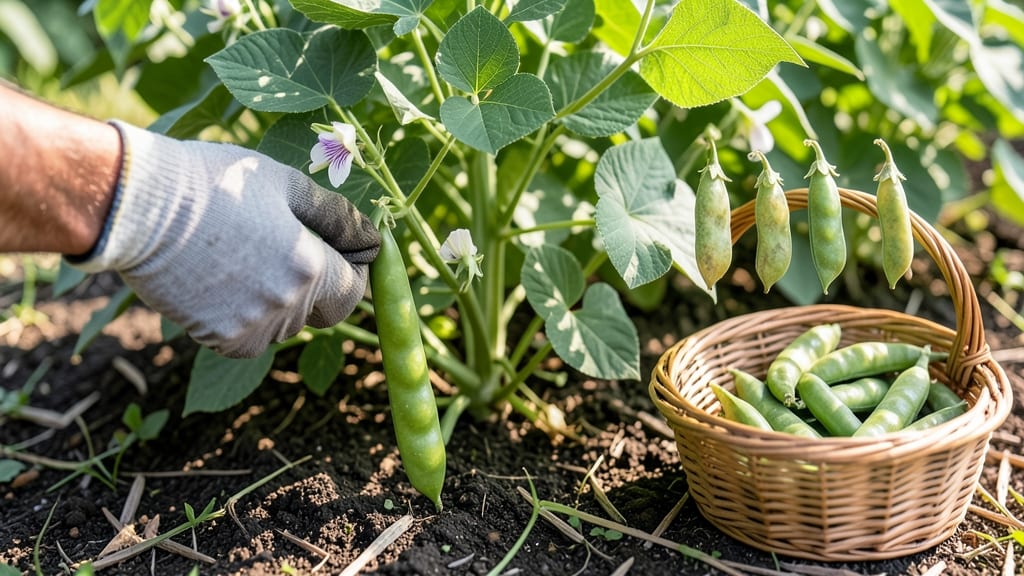
How to know when to harvest green beans can mean the difference between a crisp, flavorful pod and one that’s tough and stringy. If you’ve ever bitten into a bean that’s past its prime, you know how disappointing that can be—but there’s a simple way to avoid it.
The key lies in three easy-to-spot clues: pod size, color, and texture. When your 🌱 green beans hit that perfect window—typically 4 to 6 inches long and bright green—you’re just days away from the best harvest.
But timing matters, especially in USDA Zone 6a, where summer heat can speed up ripening.
In this guide, I’ll break down the three foolproof signs that your beans are ready to pick, plus how to test them without guessing. Whether you’re a first-time gardener or a seasoned grower, these tips will help you harvest at peak freshness every time.
Skip the trial-and-error—let’s make sure your next batch of green beans tastes as good as they look.


3 Exact size and color clues to harvest green beans at peak freshness
Timing your green bean harvest is everything—wait too long, and you’ll end up with leathery pods and visible seeds. But harvest too early, and you miss the sweetest flavor and crispest texture.
The key? Watch for these three foolproof clues that tell you when your beans are ready to pick.
First, focus on pod length. The ideal harvest window is when beans reach 4 to 6 inches long. This is true for most varieties, whether you're growing bush beans or pole beans.
If pods are shorter than 3 inches, they’re still maturing and lack the full sweetness and crunch you want.
Next, check the color of the pods. Bright, vibrant green beans are a clear sign of ripeness. Avoid picking pale or yellowing pods, as these indicate the beans are overripe or stressed. The color should be uniform and glossy, not dull or fading.
Finally, examine the texture by giving the pod a gentle squeeze. Ready-to-harvest beans feel firm and crisp—almost snappy—when you press them lightly between your fingers. If they feel soft or mushy, they’ve passed their prime and may develop a woody texture.
| Clue | Ready for Harvest? | Not Ready |
|---|---|---|
| Pod Length | 4–6 inches ✅ | Under 3 inches 🟢 |
| Color | Bright green 💚 | Pale or yellowing 🤏 |
| Texture | Firm and crisp ✅ | Soft or mushy 👁️ |
| Seed Visibility | Small, barely visible 👁️ | Large and visible 🤏 |
One common mistake is harvesting based on calendar days rather than visual cues. Green beans typically mature in 50 to 65 days after planting, but weather and variety can shift this timeline.
For example, Blue Lake beans often mature faster than Roma beans, so always check the plant’s appearance, not just the days since sowing.
Morning is the best time to harvest green beans because the temperature is cooler, and the pods are fresher and crisper. Avoid picking after a hot afternoon, as the beans may wilt or lose their snap.
If you’re harvesting for long-term storage, pick on a cool, cloudy day to preserve quality.
Pro tip: Harvest every 2 to 3 days during peak production to encourage the plant to keep producing. If you let pods stay on the vine too long, the plant will shift energy to seed development instead of growing new beans.
This is especially true for bush beans, which produce all their beans at once.
For pole beans, which produce continuously, you’ll need to harvest more frequently—sometimes even daily—to keep up with the harvest. If you notice pods curling or turning yellow, it’s a sign the plant is stressed and may need more water or nutrients.
Finally, always use a sharp pair of pruning shears or your fingers to snap the pod off cleanly. Avoid tearing the pod, which can damage the plant and leave it vulnerable to pests or disease.
A quick twist or snap at the stem ensures a clean break and keeps the plant healthy for future harvests.
3 Exact size and color clues to harvest green beans at peak freshness
Harvesting green beans at the right moment transforms your garden bounty from bland to bursting with flavor. The key lies in three simple but critical clues: pod length, color intensity, and seed visibility.
Ignore these, and you risk ending up with tough, stringy pods that taste more like cardboard than crunch.
First, focus on pod length—the most reliable indicator. For most green bean varieties, pods should reach 4 to 6 inches long when ready for harvest. This range ensures they’re fully developed but still tender.
Shorter pods (under 3 inches) are simply underripe, while longer ones (over 7 inches) signal they’ve passed their prime.
| Clue | Ready Pod | Not Ready Pod |
|---|---|---|
| Pod Length | 4–6 inches | Under 3 inches |
| Color | Bright, vibrant green | Pale or dull green |
| Seed Visibility | Small, barely visible | Large, clearly visible |
| Texture | Crisp, snaps easily | Soft or rubbery |
Next, check the color—ready-to-harvest pods should be a bright, uniform green. Dull or yellowing pods are a red flag, indicating they’ve been on the vine too long.
Even a slight fade means the starch content increases, making them tougher to chew. Pro tip: Harvest in the morning when pods are coolest and crispest.
Don’t overlook the seeds inside. At peak ripeness, seeds are tiny and barely visible through the pod’s translucent skin. If you can see large, plump seeds, the bean has overmatured, and the pod will be woody.
This is your cue to harvest more frequently next time—beans produce continuously, so check plants every 2–3 days.
Finally, perform the snap test: Gently bend a pod sideways. If it snaps cleanly with a slight crack, it’s ready. A pod that bends without breaking or feels mushy needs more time. This test works even for pole beans, where pods can be harder to spot among foliage.
Remember: Consistency is key. The more you harvest at peak ripeness, the more your plants will produce. Skipping harvests or waiting too long stresses the plant and reduces future yields. With these clues, you’ll never guess again—just pick, snap, and savor! 🌱