
How To
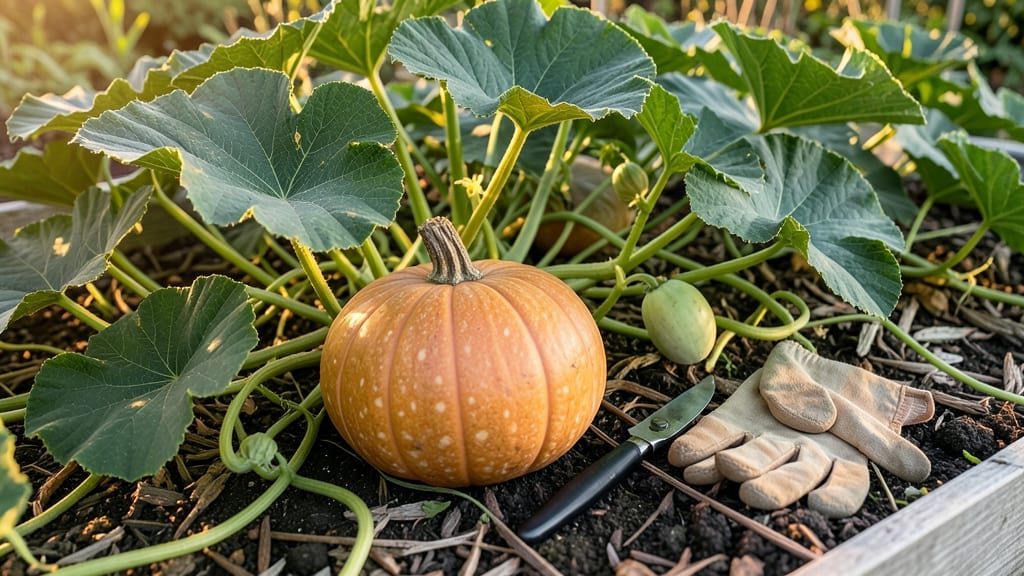
How to know when to pick acorn squash can turn a mediocre harvest into a flavor explosion—because one wrong move means the difference between sweet, dense flesh and a bland, watery mess. If you've ever wondered why some squash taste like sunshine while others taste like disappointment, the secret lies in those subtle (but critical) cues most gardeners miss.
Picture this: It's September, your 🎃 acorn squash plants are thriving in Zone 6a, and you're staring at those round oranges wondering, "Are they ready yet?" The truth is, there's a science to it—seed color shifts, stem hardening, and even a simple "thump test" that reveals whether your squash are begging to be picked or still need time to ripen.
I've spent years perfecting this timing, and what I'm about to share will help you avoid the two biggest mistakes: harvesting too early (when they're still tough and seedy) or waiting too long (when they've turned woody and past their prime).
Let's cut through the guesswork so you can enjoy squash that taste like they were grown just for you.
From the moment those flowers fade to the exact moment the vine starts dying back, you'll learn the 3 foolproof signs that your acorn squash are finally ready—plus how to store them for maximum flavor. No more second-guessing, just perfect, restaurant-quality squash straight from your garden.
The 3 key signs your acorn squash is perfectly ripe
Timing your acorn squash harvest is an art—one that combines visual cues, tactile tests, and a little patience. Unlike some squash varieties, acorn squash doesn’t ripen after picking, so nailing the perfect moment ensures maximum sweetness and texture.
Let’s break down the three foolproof signs that tell you it’s time to harvest.
First, focus on the seed color. When ripe, acorn squash seeds turn from green to white or yellow, visible through the thin skin near the stem.
This color shift signals the squash has fully matured inside. I always check this first because it’s the most reliable early indicator—don’t skip it!
Next, perform the gentle thump test. Hold the squash in one hand and tap it lightly with your knuckles. A ripe acorn squash will sound hollow and deep, like a drum.
If it sounds dull or flat, it’s not ready yet. This test works because the seeds have fully developed, creating that signature echo.
The third sign is often overlooked but critical: the stem condition. A ripe acorn squash’s stem will feel dry and woody, almost like a small twig.
You should be able to cut it cleanly with pruners or even your hands. If the stem is still green and flexible, the squash needs more time.
Pro tip: Combine these signs for accuracy. For example, I once harvested a squash with white seeds and a hollow thump, but the stem was still green. I left it on the vine for another week, and the difference in flavor was night and day!
Don’t forget to check the vine health. Healthy vines will start to yellow and die back naturally as the squash matures. If the vine is still lush and green, your squash likely needs more time. This is nature’s way of telling you it’s ready.
Environmental factors also play a role. If your growing season is short, prioritize the thump test and stem condition over seed color, as cooler temperatures can slow color changes. I’ve seen squash with green seeds but perfect texture—always trust the tactile cues first.
Finally, size matters—but not as much as you’d think. While acorn squash typically reach 4-8 inches in diameter, some varieties stay smaller. Focus on the weight instead: a ripe squash feels heavy for its size, almost like it’s packed with dense, sweet flesh.
If you’re still unsure, err on the side of waiting. Overripe acorn squash won’t harm you, but underripe ones will leave you disappointed. With these three signs in your toolkit, you’ll never second-guess harvest time again!
Acorn squash ripeness guide: seed color shifts explained
One of the most reliable ways to determine when your acorn squash is ready for harvest is by observing the seed color inside the fruit. Unlike other squash varieties, acorn squash seeds change from bright green to a creamy white or pale yellow as they mature.
This shift signals that the fruit has reached peak sweetness and flavor.
The seed color change happens gradually, so don’t rush to harvest just because the rind looks mature. Wait until the seeds are fully transitioned—this usually takes 85-100 days after planting, depending on your growing conditions and variety.
For example, ‘Table Queen’ acorn squash may show seed color changes slightly earlier than ‘Autumn Cup’, which tends to mature a bit later.
🌱 Acorn Squash Ripeness by Seed Color
| Stage | Seed Color | Rind Hardness | Harvest Ready? |
|---|---|---|---|
| Early | Bright green | Soft, easy to puncture | No |
| Mid | Light green/yellow | Firm but still tender | No |
| Late | Creamy white/yellow | Hard, resists fingernail | Yes |
Sunlight exposure plays a crucial role in seed color development. If your squash isn’t getting enough full sun (at least 6-8 hours daily), the seeds may stay green longer, even if the rind looks mature.
Check for uneven sunlight on the vine—squash exposed to partial shade might develop uneven seed colors, which can affect ripeness.
To test seed color without cutting into the squash, gently press your fingernail into the rind near the stem. If it resists pressure and the seeds inside are white or pale yellow, your squash is ready.
If the seeds are still green, wait 3-5 more days before checking again. Patience here ensures the best flavor and storage life.
One pro tip: Harvest in the morning when temperatures are cooler. This reduces stress on the plant and helps preserve the squash’s sweetness. Avoid harvesting after heavy rain, as excess moisture can lead to rot or uneven ripening.
Remember, seed color isn’t the only indicator—always combine it with the gentle thump test and vine health checks for the most accurate results. A fully ripe acorn squash will have all three signs aligned: creamy seeds, a hard rind, and a slightly yellowing vine.