
How To
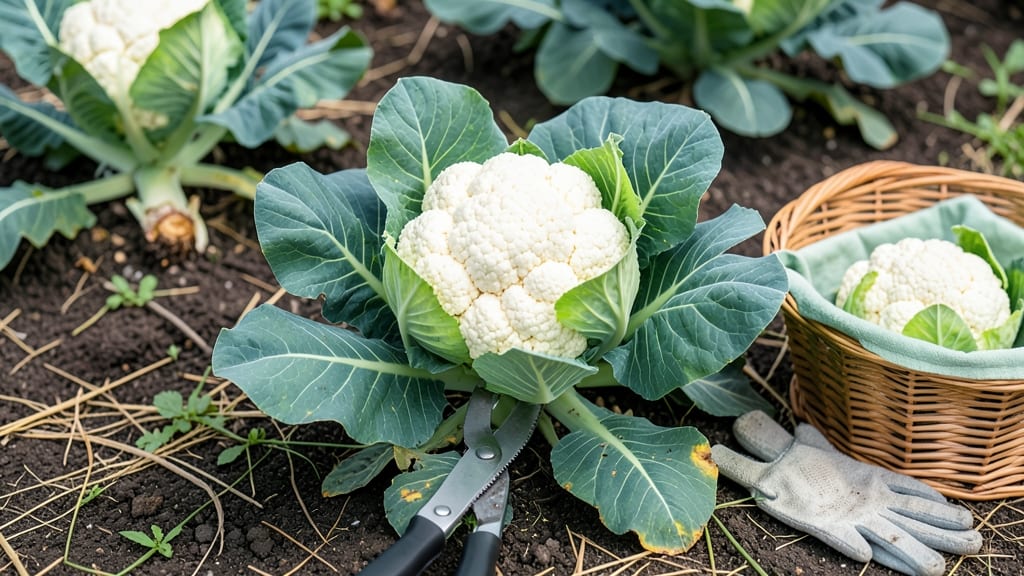
Knowing how to know when to pick cauliflower can turn a mediocre harvest into a garden highlight—or ruin your dinner plans. That perfect head of 🥬 you’ve nurtured for weeks might go from tender and flavorful to tough and bitter if you wait too long.
Most gardeners miss the window because they focus on days since planting rather than visual cues. But the truth is, your cauliflower will tell you when it’s ready—if you know what to look for.
From head size to leaf color, there are 5 key signals that reveal the ideal moment to harvest.
Harvesting too early means small, underdeveloped heads, while waiting too long leads to woody texture and loose curds. The difference between these outcomes often comes down to checking just a few simple details. Let’s break down the visual and environmental clues that’ll help you nail the perfect timing every time.
Whether you’re growing white, purple, or orange varieties in Zone 6a, these tips will ensure your cauliflower stays fresh, crisp, and packed with flavor. No more guessing—just confident harvesting when it truly matters.


5 Visual cues to identify perfectly ripe cauliflower
Determining when your cauliflower is ready to pick can be tricky, but focusing on these 5 key visual cues will help you harvest at peak flavor and texture. The difference between a crisp, tender head and a bitter, woody mess often comes down to timing.
Let’s break down what to look for in your garden beds or containers.
First, pay attention to the head size. A perfectly ripe cauliflower should measure between 6 to 8 inches in diameter. If it’s smaller than 4 inches, it’s likely not ready yet.
Overripe heads, on the other hand, can grow much larger—sometimes up to 10 inches—but they’ll lose their tight, compact structure and become tough and stringy.
Next, examine the color consistency. For white varieties, the curds should be a bright, uniform white. Purple varieties should have a deep, even hue without any green or brown spots. Uneven coloring can signal uneven maturity or environmental stress, like inconsistent watering or temperature fluctuations.
Here’s where things get interesting: the leaf condition around the head is a dead giveaway. As your cauliflower nears harvest time, the outer leaves will start to yellow and die back. This is your plant’s way of signaling that the head is ready.
If the leaves are still lush and green, give it a few more days. But if they’ve turned brown and crispy, you’ve waited too long!
The texture of the curds is another critical clue. Gently press the head with your thumb—it should feel firm yet slightly yielding, like a ripe avocado. If it’s rock-hard, it’s underripe.
If it feels spongy or crumbly, it’s past its prime. This simple finger test can save you from harvesting at the wrong stage.
Finally, check for bud development. If you notice small yellow flowers starting to bloom at the center of the head, it’s a clear sign that your cauliflower has overmatured.
These buds will turn bitter and woody, making the head inedible. Harvest before this happens to enjoy the best flavor and texture.
One common mistake I see in my own garden is assuming that bigger heads are always better. While size matters, it’s the combination of these visual cues that truly determines readiness.
For example, a 10-inch head with yellowing leaves and a spongy texture is past its prime, while a 6-inch head with firm curds and vibrant color is perfect for the table.
Pro tip: If you’re growing multiple varieties, like both white and purple cauliflower, pay extra attention to their unique color cues. Purple varieties, for instance, can sometimes look underripe if they’re not deeply colored enough. Always trust the texture and leaf signals over color alone.
Now that you know what to look for, the next step is learning how to test readiness without damaging your plant. Stay tuned for my next section, where I’ll share gentle techniques to verify ripeness—like the finger press method and how to inspect leaves without harming the plant.
5 Visual cues to identify perfectly ripe cauliflower
Determining the exact moment to harvest your cauliflower can feel tricky, but mastering these 5 visual cues will help you pick heads at their peak. The key lies in observing the head's size, color, texture, and even the surrounding leaves.
Each clue works together to confirm your cauliflower is ready for the kitchen—or the garden freezer.
First, focus on the head's firmness. A perfectly ripe cauliflower should feel solid and compact when gently squeezed. If it yields slightly or feels spongy, it’s likely overripe. This tactile check is your first line of defense against bitter, woody curds.
For white varieties, the head should be snowy white, while purple or orange types will show deep, even hues without fading.
Head Size: 6-8 Inches
Aim for a 6-8 inch diameter head. Smaller heads (4 inches) may still be developing, while larger ones risk becoming woody or bitter.
Color Consistency
Check for uniform color—no pale spots or green streaks. Purple varieties should be deep violet, while orange types glow like a sunset.
Leaf Yellowing
The outer leaves should start yellowing—this signals the plant is redirecting energy to the head. If leaves are still green and lush, the head needs more time.
Bud Closure
The curds should be tightly packed with no visible buds. If you see tiny flowers peeking through, the head is past its prime.
Head Shape
A ripe head maintains a rounded, domed shape. If it flattens or splits, harvest immediately to prevent pests or rot.
Don’t overlook the weather conditions on harvest day. Ideal temps are 55-75°F—cooler mornings prevent stress, while midday heat can wilt your curds. Use a sharp knife or pruners to cut the stem 1-2 inches below the head, leaving the outer leaves intact to protect the curds during transport.
Pro tip: For continuous harvests, plant varieties with staggered maturity dates (e.g., 'Snowball Y Improve' for early picks and 'Purple of Sicily' for late-season color). This way, you’ll always have fresh cauliflower ready when those visual cues align.
Mastering these cues ensures your cauliflower stays tender, sweet, and perfect for roasting, steaming, or raw snacking. The more you practice, the easier it becomes to spot that sweet spot between underripe and overripe—no guesswork required! 🌱