
How To
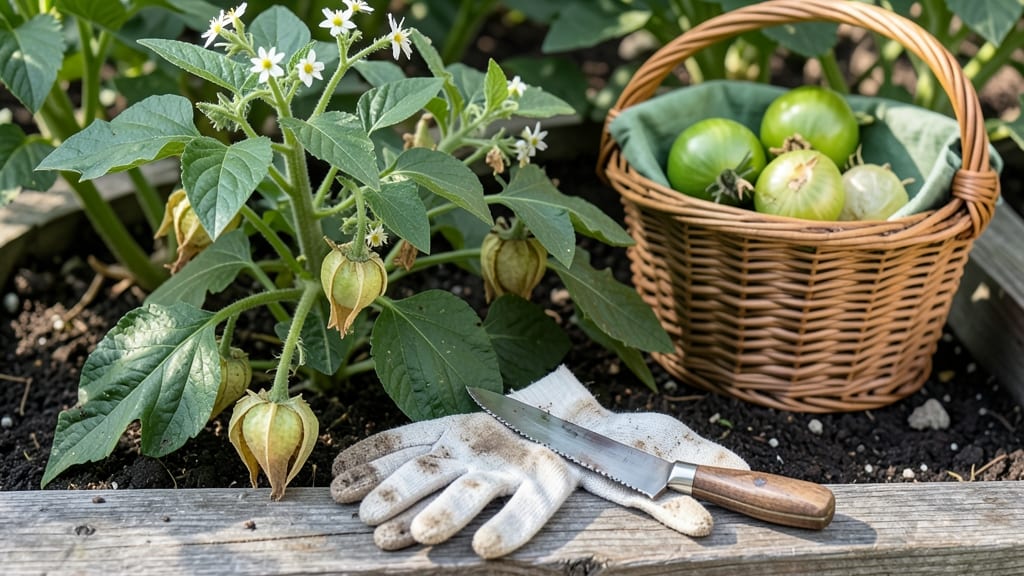
How to know when to pick tomatillos can turn your garden harvest from good to amazing—or ruin your salsa plans if you wait too long. These tart little green gems 🌱 don’t ripen like tomatoes, so spotting the perfect moment takes practice. The key lies in three often-overlooked clues that reveal whether they’re ready for the kitchen or still hanging on the plant.
Most gardeners focus on color, but that’s only part of the story. A pale green or even slight yellowish tint signals ripeness, but size and texture play equally big roles.
Skip these details, and you might end up with tomatillos that are either too sour or too mealy for your favorite recipes.
In this guide, I’ll break down the three telltale signs of ripe tomatillos—including a surprising trick most people miss—and explain why timing matters. Whether you’re growing them in USDA Zone 6a or later in the season, these tips will help you pick at peak flavor every time.
Ready to master the art of tomatillo harvesting? Let’s dive into what your plants are really telling you before you reach for those husks.


Tomatillo ripeness by color: what shades mean for flavor
When it comes to picking tomatillos, color is your first (and most obvious) clue—but not all greens are created equal. The bright green you see on immature fruits signals high acidity and a mealy texture, perfect for fermenting but terrible for fresh eating.
I’ve learned this the hard way after making sour salsa from underripe tomatillos! The goal is that pale green to yellowish hue that screams "ready to eat."
Here’s the color spectrum you’ll encounter, from unripe to overripe, and what each shade means for flavor and texture:
🌱 Bright green: This is your not-ready zone. The fruits are firm, smooth, and packed with tartness that borders on sourness. Perfect for fermenting or cooking in dishes where acidity is welcome, but avoid for fresh use—they’ll taste like lemon meets vinegar. If you pick them now, you’ll either need to cook them longer or balance the flavor with sweeter ingredients.
🟡 Pale green/yellowish: This is your sweet spot. The color shift signals reduced acidity and a softer, slightly wrinkled skin. The flavor becomes tart-sweet, ideal for salsa verde or eating fresh in salads. This is the peak ripeness for most varieties, including the common green tomatillo and purple-stemmed types.
🟤 Brown or dried husks: If you see brown spots or the husks turning papery-brown, your tomatillos are overripe. The flavor becomes mild and slightly sweet, but the texture softens to the point of mushiness. While still edible, they’re best for soups or sauces where texture isn’t critical. Overripe tomatillos also split easily, making them prone to pests and rot.
Regional variations can shift these colors slightly. In hotter climates (like Texas or Arizona), tomatillos may ripen faster and develop a lighter green or even yellowish tint sooner.
Meanwhile, in cooler regions (like Pacific Northwest), they might stay darker green longer before turning pale. Always combine color cues with size and texture for the best results.
| Stage | Color | Flavor Profile | Best Use |
|---|---|---|---|
| Unripe | 🟢 Bright green | Extremely tart, firm | Fermenting, cooking |
| Perfectly Ripe | 🟡 Pale green/yellow | Tart-sweet, soft | Salsa, salads, fresh |
| Overripe | 🟤 Brown/yellow | Mild, mushy | Soups, sauces |
Pro tip: Husk color matters too. The papery husk should turn from green to pale yellow as the fruit ripens. If it’s still bright green, the tomatillo inside is likely underripe.
Once the husk dries out, the fruit inside may already be overripe—so check both the fruit and husk before deciding.
For purple-stemmed varieties (like ‘Purple’ or ‘Green Sage’), the stem color can also hint at ripeness. A deep purple stem often means the fruit is ready to pick, while a greenish stem suggests it needs more time.
I’ve found this especially useful in shorter growing seasons where every day counts.
Remember, color alone isn’t enough. Pair these cues with size and texture (which we’ll cover next) to avoid bitter or bland tomatillos. Trust me, your salsa will thank you!
Size matters: how big should tomatillos be before picking?
Tomatillo size is one of the most overlooked ripeness clues, yet it directly impacts flavor and texture. Standard varieties like 'Purple' or 'Green' should reach 1.5–2.5 inches in diameter before picking.
Smaller tomatillos (under 1 inch) are tart but underdeveloped, while oversized ones (3+ inches) lose their signature tang and become mealy.
Bush varieties, like 'Mexican Green Salsa', mature slightly earlier—aim for 1–1.5 inches. Early-season plants may produce smaller fruits, but don’t rush harvesting. Size alone isn’t the final judge—always pair it with color and texture checks for the best results.
Here’s the critical rule: Smaller ≠ sweeter. Tomatillos develop tartness as they ripen, not sweetness. A 1.5-inch tomatillo with the right color and texture will outshine a 2-inch one that’s still firm and bright green.
Regional variations matter too. In hotter climates (like Texas or Arizona), tomatillos may grow faster and reach ideal size 2–3 weeks earlier than in cooler areas (e.g., Pacific Northwest). Adjust your expectations based on your last frost date and local growing season.
Never pick tomatillos larger than 2.5 inches unless you’re using them for cooked dishes (like stews). Overripe tomatillos become mushy, lose tartness, and may even split open, inviting pests. If you see cracked skin, harvest immediately—even if size is perfect.
For consistent sizing, prune your tomatillo plants lightly during the first 6 weeks of growth. This encourages even fruit development and prevents a mix of oversized and undersized tomatillos. Pinch off smaller side shoots to redirect energy to the main stems where the largest fruits form.
Pro tip: Use a measuring tape or caliper for precision. Mark your ideal size on a ruler with a permanent marker so you can quickly check ripeness during harvests. This trick saves time and ensures you never miss the perfect moment to pick.
Remember, size is just one piece of the ripeness puzzle. Pair these measurements with the color cues from the previous section and the hidden tests we’ll cover next to guarantee you’re harvesting at peak flavor.