
Plants
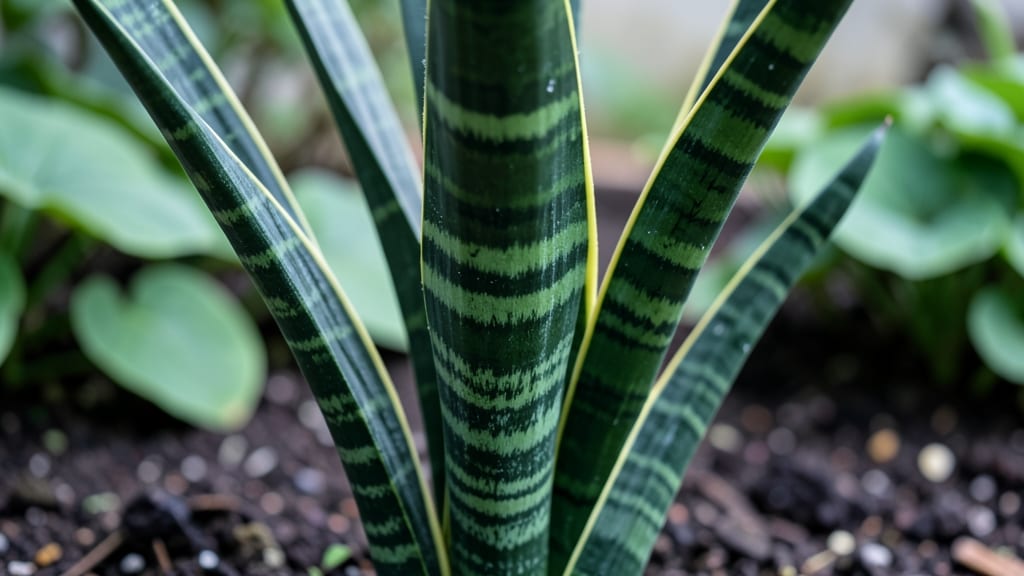
How to make a snake plant grow tall starts with bright, indirect light—the secret weapon for towering foliage. ✨ I’ve watched mine stretch from stubby 6-inch pups to 3-foot giants in just two years by giving them exactly what they crave: 6+ hours of filtered sun daily. Too little light? They’ll stay short and leggy. Too much direct sun? Those striking leaves burn. The sweet spot is near a north- or east-facing window where the light is generous but gentle.
The soil makes all the difference—fast-draining, chunky mixes prevent root rot while letting those roots stretch downward for stability. I swear by a blend of 50% cactus/succulent mix and 50% perlite or pumice (never hold moisture).
Repot every 2-3 years when roots crowd the container, and use a pot just 1-2 inches wider than the plant’s current base. Snake plants hate being root-bound, and they’ll reward you with bold vertical growth when they have room to explore.
Watering feels counterintuitive: less is more. I let the top 3-4 inches of soil dry completely between waterings—even in summer. Overwatering triggers rot and stunts growth, while consistent dryness encourages those leaves to reach upward for sunlight.
Prune yellow or brown tips with clean scissors, and never trim more than 1/3 of the leaf at once. The result? Straight, sturdy stems that defy gravity and fill your space with dramatic, architectural presence.
Here’s the kicker: patience pays off. Snake plants grow slow but steady—think 6-12 inches per year under ideal conditions. The key is consistency: light, soil, and water working together. Skip the fertilizers (they’re not heavy feeders), and you’ll end up with a living sculpture that thrives with minimal fuss.
Now go find that sunniest corner—your plant’s future self is waiting to stretch toward the light.
📚 In This Guide
- What you need
- Instructions
- Tips and common mistakes
- Wrapping up and next steps
What you need
- ● Snake plant (Sansevieria) – Choose a healthy, mature plant (varieties like ‘Futura Superba’ or ‘Hahnii’ grow taller with care).
- ● Well-draining potting mix – 100% cactus/succulent soil (or mix 60% inorganic grit like perlite/pumice + 40% organic soil like coco coir or peat). Quantity: Enough to fill your pot (typically 2-3 gallons for a medium-sized plant).
- ● Pot with drainage holes – 1-2 inches larger in diameter than the plant’s root ball. Terracotta or ceramic pots work best (avoid plastic if you live in a humid climate).
- ● Watering can with a narrow spout – For precise watering (avoid soaking!).
- ● Bright, indirect sunlight access – A south- or west-facing window (or a grow light for 12-14 hours/day if indoor lighting is weak).
- ○ Fertilizer (optional but helpful) – Balanced liquid fertilizer (10-10-10 or 20-20-20) or a slow-release succulent fertilizer. Quantity: Dilute to ½ strength for feeding.
- ● Grow lights – LED full-spectrum bulbs (5000K-6500K) for 12+ hours/day if natural light is limited.
- ● Humidity tray or pebble tray – Helps maintain 40-50% humidity (especially for tropical varieties).
- ● Pruning shears – For trimming dead or yellow leaves (sterilize with rubbing alcohol!).
- ● Rooting hormone – Speeds up propagation if you’re dividing your plant.
- ● Soil moisture meter – Avoids over/under-watering (aim for dry soil before watering).
Step-by-Step instructions for encouraging snake plant vertical growth
Here's how I coax snake plants into their tallest, healthiest forms—no tricks, just science-backed care.
☀️ Step 1: Position for Bright, Indirect Light
Snake plants crave bright, indirect light—think east-facing windows or 2-3 feet from a south window. Direct midday sun scorches their leaves, while dim corners stunt growth. You'll notice healthy plants developing upright, rigid leaves with vibrant yellow-green stripes, while underlit plants stretch weakly toward any available light.
Rotate your plant quarter-turn weekly so all sides receive even light exposure. This prevents leaning and encourages symmetrical vertical growth. If your home lacks natural light, supplement with a grow light positioned 6-12 inches above for 12-14 hours daily. Too close? The leaves will yellow at the tips—a sure sign of light burn.
🪴 Step 2: Use Well-Draining Soil and the Right Pot
Snake plants despise soggy roots, so use a fast-draining mix—I blend 50% cactus/succulent soil with 30% perlite and 20% orchid bark. This prevents root rot while allowing excess water to escape. Repot every 2-3 years or when roots circle the pot, as crowded roots stunt upward growth.
Choose a terracotta pot (unglazed) for best results—the material wicks moisture away naturally. If using plastic, ensure it has drainage holes and never let the plant sit in saucers of water. Overwatering triggers mushy stems and halts vertical development. Let the top 2 inches of soil dry completely between waterings—your finger should feel dry down to that depth.
💧 Step 3: Water Deeply but Infrequently
Water snake plants only when the soil is bone-dry—usually every 2-3 weeks in winter, every 1-2 weeks in summer. Stick your finger 2 inches deep into the soil; if it feels dry, it's time. Pour water until it drains freely from the bottom, then empty the saucer immediately. Soggy roots = stunted growth.
Here's the trick: Water deeply but less often. A thorough soaking encourages roots to grow downward, stabilizing the plant and promoting taller, sturdier stems. You'll see new leaves emerging upright and firm rather than flopping over. If leaves develop brown tips, you're overwatering—cut back immediately and let the soil dry out completely.
✂️ Step 4: Prune Strategically to Encourage Height
Remove yellow or brown leaves at the base with clean, sharp scissors—never pull them, as this damages the mother plant. Cut just above the soil line to redirect energy upward. I also trim overly long leaves back to half their length in early spring, which spurs bushier, taller regrowth from the base.
Avoid cutting the top growth unless you're propagating—this disrupts the plant's natural height development. Instead, focus on removing dead foliage and thinning crowded clusters. You'll notice new shoots emerging straighter and taller within 4-6 weeks of pruning, as the plant redirects energy toward vertical growth.
🌿 Step 5: Fertilize Sparingly for Stronger Stems
Feed your snake plant once in spring and once in summer with a balanced, diluted fertilizer (half-strength 20-20-20). Over-fertilizing causes leaf burn and weakens stems. Mix the fertilizer with water and apply it only when the soil is dry—never on wet roots. After fertilizing, water deeply to rinse away excess salts.
I swear by organic options like fish emulsion or worm castings for slower, steadier growth. You'll see thicker, more rigid leaves developing over time, which naturally supports taller, upright stems. Skip winter fertilizing—snake plants enter dormancy and don’t need extra nutrients when growth slows.
Tips & tricks for perfect snake plant vertical growth
Here's what nobody tells you about the subtle details that make all the difference with these resilient plants.
Light Exposure Insight: In Step 1, when positioning your snake plant for bright, indirect light, pay attention to the subtle color changes in the leaves. Healthy growth shows up as vibrant yellow-green stripes—this is your plant's way of telling you it's thriving. If you notice the stripes fading to a duller green, it's a sign the light isn't quite right. For maximum height, place your plant where it receives morning sun and afternoon shade, especially in summer when the sun's rays are strongest.
Soil Mix Strategy: The 50-30-20 blend of cactus/succulent soil, perlite, and orchid bark in Step 2 isn't just about drainage—it's about creating an environment where roots can grow strong and deep. When repotting, gently loosen any circling roots to encourage outward growth. This prevents the plant from becoming root-bound, which directly impacts how tall it can grow. Use your finger to test soil moisture—it should feel completely dry down to 2 inches before watering again.
Pruning Precision: When you're trimming overly long leaves back to half their length in Step 4, focus on making clean cuts just above a leaf node. These nodes are where new growth will emerge, and cutting here redirects the plant's energy upward. I've found that early spring is the best time for this pruning—it gives the plant a full growing season to take advantage of the new growth stimulus. After pruning, you'll often see new shoots appearing within 4-6 weeks, and these tend to grow straighter and taller than the original leaves.
Grow Light Optimization: If you're using a grow light as mentioned in Step 1, position it 6-12 inches above your plant for those crucial 12-14 hours daily. The distance matters—too close and you'll get light burn (yellow tips), too far and the plant won't get enough energy for vertical growth. I recommend using a timer for consistency, especially if your natural light conditions vary throughout the day. This steady light exposure is what triggers the hormonal responses that encourage taller, more upright growth patterns.
Pro Tips for Make A Snake Plant Grow Tall
- Here's what nobody tells you about the subtle details that make all the difference with these resilient plants.
- Light Exposure Insight: In Step 1, when positioning your snake plant for bright, indirect light, pay attention to the subtle color changes in the leaves.
- Soil Mix Strategy: The 50-30-20 blend of cactus/succulent soil, perlite, and orchid bark in Step 2 isn't just about drainage—it's about creating an environment where roots can grow strong and deep.
Frequently asked questions
Got questions about growing tall, lush snake plants?
You’re not alone—here are the most common queries (and answers!) to help you nurture a sky-high snake plant.
How long does it take for a snake plant to grow tall?
With ideal care (bright, indirect light and well-draining soil), snake plants grow slowly—about 6–12 inches per year. Patience is key! Some varieties, like Dracaena trifasciata ‘Giant’, may reach 4–6 feet in 3–5 years with perfect conditions.
Why is my snake plant growing wide instead of tall?
Snake plants prioritize width over height when stressed. Check for:
- Overwatering (root rot stunts growth)
- Low light (leads to leggy, sprawling leaves)
- Nutrient deficiencies (use a balanced fertilizer 2x/year)
Can I grow a snake plant tall indoors without direct sunlight?
Yes! Snake plants thrive in bright, indirect light (e.g., near east/west windows). Avoid deep shade—it causes etoliation (weak, stretched stems). Supplement with a grow light 12–14 hours/day if natural light is dim.
How often should I repot a snake plant to encourage taller growth?
Repot every 2–3 years or when roots circle the pot. Use a terracotta pot (prevents overwatering) and fresh well-draining soil mix (cactus/succulent blend + perlite). Pro tip: Choose a pot only 1–2 inches wider than the current one to avoid excessive soil.
What do I do if my snake plant’s leaves are curling or turning yellow?
Curling/yellowing often signals:
- Overwatering (let soil dry completely between waterings)
- Underwatering (snake plants prefer drought)
- Fluoride/chlorine sensitivity (use filtered water or let tap water sit 24 hours)
Wrapping up and next steps
Growing a tall, thriving snake plant is all about patience, the right conditions, and a little love! By mastering bright, indirect sunlight, using well-draining soil, and avoiding overwatering, you’ll watch your plant reach new heights in no time. 🌱✨
Now that you’re armed with the secrets, take action—start adjusting your care routine today! Monitor your plant’s progress, tweak as needed, and soon you’ll be proudly showcasing a stunning, towering snake plant that’s the envy of every plant lover. Happy growing! 🌿💚