
Pruning
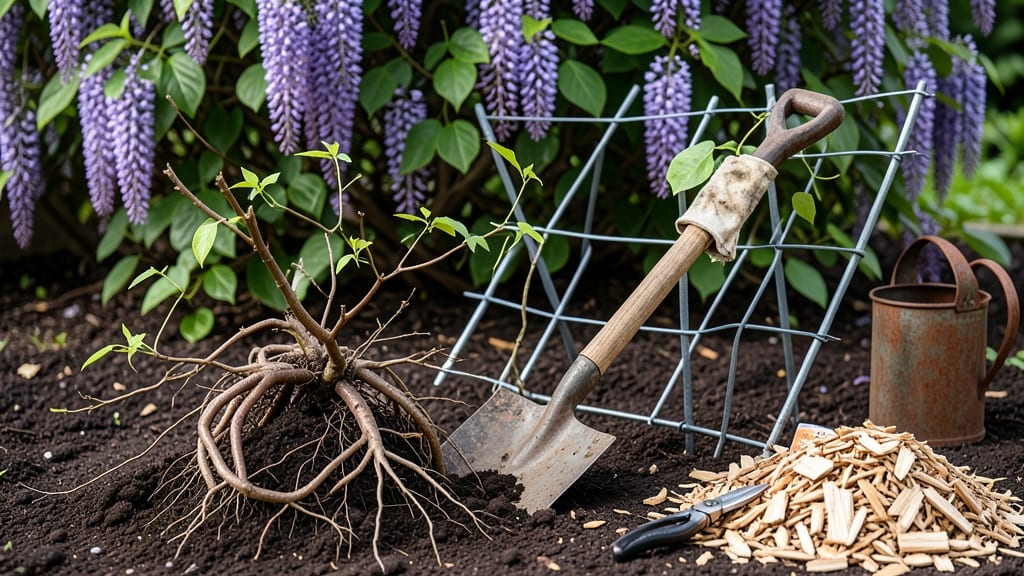
How to make a wisteria tree bloom like spring in a bottle—its cascading purple clouds aren’t luck, but pruning. 🌸 The secret lies in mastering three simple cuts that keep it flowering for decades, not just years. Most gardeners over-prune or under-prune, and both ruin the show. Here’s how to get it right the first time.
Start with the right tools: sharp bypass pruners, a sturdy trellis or arbor, and a notebook to track cuts. Wisteria grows aggressively—up to 10 feet per year—so you’ll need something strong to support it.
Plant in well-draining soil with full sun, and water deeply after planting. The first two years are about establishing roots; blooms come later if you’re patient.
By summer’s end, you’ll be shaping vines that explode with flowers next spring. The key is cutting back one-third of last year’s growth after blooming, always just above a leaf node.
This encourages new shoots that’ll carry next year’s blossoms. No more sparse, leggy vines—just thick, blooming branches that make neighbors stop and stare.
Works for both climbing varieties and dwarf types, though larger wisterias need more space. Even in small yards, you can train them along fences or pergolas. The payoff? A tree that smells like heaven and blooms reliably for 50+ years with the right care. Let’s get those pruners ready!
📚 In This Guide
- What you need
- Instructions
- Tips and common mistakes
- Wrapping up and next steps
What you need
- ● Wisteria plant: 1 healthy wisteria sapling (choose between Wisteria sinensis or Wisteria floribunda for vibrant blooms)
- ○ Optional: Grafted wisteria for faster, more reliable growth
- ● Planting site: Full sun (6+ hours of direct sunlight daily)
- ● Well-draining soil (amend with compost if needed)
- ● Support structure (trellis, arbor, or sturdy fence—8+ feet tall for climbing varieties)
- ● Pruning tools: 1 pair of bypass pruners (sharp, clean, and sterilized with rubbing alcohol)
- ● 1 pair of loppers (for thicker branches)
- ● 1 pruning saw (for stubborn, woody stems)
- ● 1 glove set (cut-resistant for safety)
- ● Fertilizer & soil amendments: Balanced 10-10-10 fertilizer (spring and early summer)
- ● Slow-release organic compost (mix into planting hole)
- ○ Optional: Phosphorus-rich fertilizer (for root and bloom development)
- ● Mulch (2–3 inches of wood chips or straw to retain moisture)
- ● Drip irrigation system (for consistent watering)
- ● Plant ties or soft twine (to secure young vines to trellis)
- ● Pruning sealant (for large cuts to prevent disease)
- ● Garden hose with spray nozzle (for gentle watering)
Step-by-Step instructions for pruning a wisteria tree
Wisteria blooms are legendary, but they require smart pruning to thrive. Here’s how I keep my vines lush and flowering for decades.
✂️ Step 1: Prune in Late Winter or Early Spring
Timing is everything with wisteria. I prune my vines in late winter or early spring, just as buds begin to swell but before new growth starts. This ensures I remove dead wood while preserving next season’s blooms. If you prune too early, you risk cutting off flower buds that haven’t formed yet.
Use sharp, clean pruning shears to make cuts at a 45-degree angle, about ¼ inch above a bud facing the direction you want the vine to grow. This encourages outward growth and prevents a dense, tangled mess. I always wear gloves—wisteria thorns are no joke!
✂️ Step 2: Remove Dead, Weak, or Crossing Branches
First, scan the vine for dead or diseased branches—they’ll suck energy from healthy growth. Snip them off at the base. Next, look for weak, spindly stems that aren’t strong enough to support blooms. These can be pruned back to a healthy bud or removed entirely.
Crossing branches are the real culprits behind tangled vines. If two stems rub against each other, one must go. I always keep the stronger, more vigorous branch and prune the weaker one back to a bud. This opens up the vine for better airflow and sunlight, which means bigger, healthier blooms.
✂️ Step 3: Thin Out Overcrowded Areas
Wisteria grows fast, and if left unchecked, it can become a dense, unmanageable tangle. I focus on thinning out the center of the vine first, where branches overlap and block light. Remove about one-third of the oldest wood to encourage new growth from younger stems.
You’ll know you’re doing it right when you see light filtering through the vine and new buds forming along the remaining branches. Avoid cutting back more than one-third of the total vine in a single year—this can stress the plant and reduce flowering.
✂️ Step 4: Shape the Vine for Better Blooms
Now it’s time to shape the vine. Wisteria blooms best on mature wood, so I avoid cutting back the thickest, oldest stems unless they’re dead or diseased. Instead, I focus on new growth—the current year’s shoots—that will produce next year’s flowers.
I like to train my wisteria along a trellis or arbor, so I prune to encourage horizontal growth. Cut back any vertical shoots that grow straight up, as they’re less likely to produce flowers. Instead, I guide the vine to spread outward, where it can catch more sunlight and air circulation.
⏰ Step 5: Light Summer Pruning for Maintenance
After the initial spring pruning, I do a light maintenance trim in late summer to keep the vine in check. This is when I remove any overly long or leggy growth that’s detracting from the vine’s shape. I also pinch back the tips of new shoots to encourage bushier growth.
Here’s the thing—wisteria blooms on old wood, so avoid heavy pruning in summer. Just a little tidying up keeps the vine looking neat and prevents it from becoming unruly. If you see any suckers (shoots growing from the base), remove them immediately—they’ll drain energy from the main vine.
Tips & tricks for perfect wisteria tree pruning
These simple strategies will help you transform your wisteria into a stunning, long-blooming tree with minimal effort.
Timing is Everything: The early June pruning in Step 1 is critical because wisteria blooms on new wood. If you miss this window, you'll delay blooming by a full year. I've seen gardeners skip this step and end up with a single, unruly stem by fall—don't let that happen to you! Mark your calendar now for early June and late August to stay on track.
Pruning Technique Matters: When cutting back those one-third tips in Step 1, make your cuts just above a leaf node where you can see little buds forming. These buds are your future branches! I use clean, sharp pruners to make precise cuts—dull blades tear stems and create wounds that invite disease. For established vines, focus on the outermost growth to open up the center for better airflow and sunlight penetration.
Support System: The tree stake or trellis in Step 4 isn't just decorative—it's essential. Wisteria vines can grow 20+ feet long in a single season, and without support, they'll pull your tree apart. I check my ties every 6-8 weeks because vines thicken as they grow, and those once-loose ties can become tight and damaging. Use soft plant ties that won't scar the bark, and always loosen them if they start to dig in.
Visual Cues for Pruning: In Step 2, when thinning branches, look for stems thicker than a pencil—these are your energy vampires that no longer produce vibrant blooms. For shaping, aim for 3-5 main branches spaced evenly around the trunk. Think of it like creating a vase shape—this opens up the center for sunlight to reach all parts of the tree. The more balanced your structure, the more dramatic your blooms will be when spring arrives.
Pro Tips for Make A Wisteria Tree
- These simple strategies will help you transform your wisteria into a stunning, long-blooming tree with minimal effort.
- Timing is Everything: The early June pruning in Step 1 is critical because wisteria blooms on new wood. If you miss t...
- Pruning Technique Matters: When cutting back those one-third tips in Step 1, make your cuts just above a leaf node wh...
Frequently asked questions
about growing and pruning a wisteria tree—because even the most beautiful blooms need a little extra care!Can I grow wisteria from seed, or should I buy a young plant?
While wisteria can grow from seed, it’s a slow process (5+ years for blooms!) and less reliable. For faster, vibrant results, buy a grafted young plant (2–3 years old) from a nursery. Grafted varieties also resist diseases better and bloom sooner. Pro tip: Choose a self-supporting trellis or arbor from day one—wisteria climbs aggressively!
How long does it take for wisteria to bloom after planting?
Patience is key! A healthy wisteria tree typically takes 2–3 years to establish roots and 3–5 years to produce its first blooms. Young plants (1–2 years old) may take longer. Boost success by:
- Planting in full sun (6+ hours/day).
- Avoiding over-fertilizing (too much nitrogen = fewer flowers!).
- Pruning correctly in late winter/early spring.
What’s the best time to prune wisteria for maximum blooms?
Timing is everything! Prune twice a year:
- Late winter/early spring (before buds swell): Remove dead/diseased wood and shape the plant.
- Directly after flowering: Trim back 1/3 of last year’s growth to encourage new blooms. Never prune in fall—wisteria needs time to harden off for winter!
My wisteria isn’t blooming—what am I doing wrong?
No flowers? Check these common culprits:
Issue Fix Too much shade Move to full sun (6+ hours/day). Over-fertilizing with nitrogen Switch to a low-nitrogen, high-phosphorus fertilizer (like 10-20-10) in early spring. Poor pruning timing Prune after blooms fade (never in fall or during active growth). Young plant (under 3 years) Be patient! Focus on strong structure first. Bonus: Wisteria blooms on old wood, so avoid heavy pruning early in its life.
Can I grow wisteria in a pot, or does it need to be planted in the ground?
Wisteria can grow in containers, but it’s tricky! Use a large pot (15+ gallons) with drainage holes and a support trellis. However, potted wisteria:
- Grows slower than in-ground plants.
- Needs annual repotting (spring) to prevent root bound.
- May bloom less due to limited space.
For best results, plant in the ground where roots can spread freely. If you love the idea of portability, consider a dwarf variety like Wisteria floribunda ‘Amethyst Falls.’
Wrapping up and next steps
Growing a stunning wisteria tree with year-round blooms is totally within your reach—just follow the pruning secrets we’ve shared! 🌸 With patience, the right tools, and a little love, you’ll transform your space into a fragrant paradise. Remember, consistency is key, so schedule those pruning sessions like clockwork.
Now that you’re armed with knowledge, why not take the next step? Start small—prune just a few branches this season and observe how your wisteria responds. Before you know it, you’ll be the neighborhood expert, sharing your blooming success with fellow gardeners! 🌿