
How To
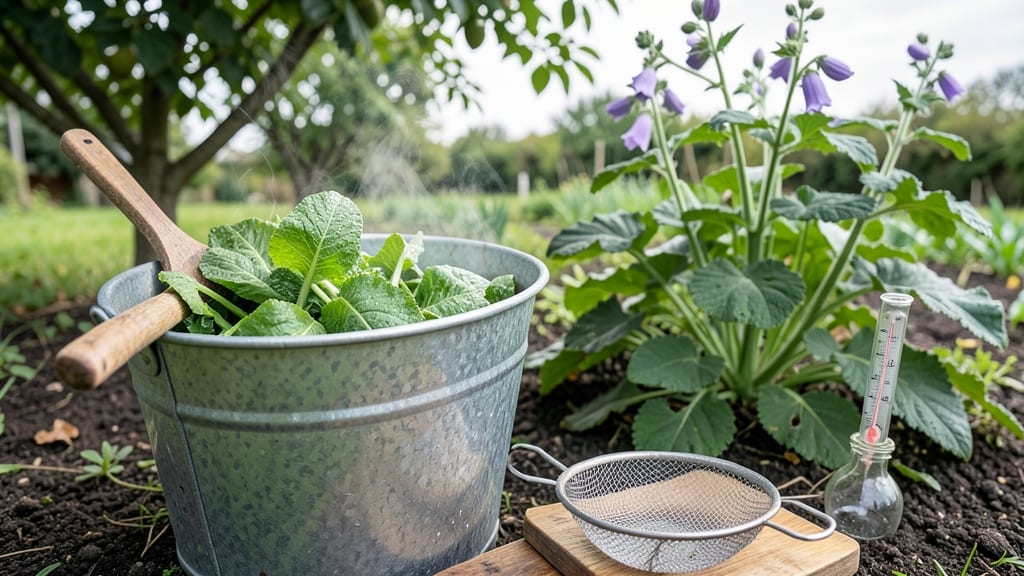
Making comfrey tea is my secret weapon for lush, thriving gardens. ✨ This nutrient-packed brew feeds plants, deters pests, and revives tired soil—all from a single hardy perennial growing in my backyard.
The process is simpler than you'd think, and the results speak for themselves: stronger roots, greener leaves, and fewer weeds.
You’ll need just three things: fresh comfrey leaves (harvested before flowering), a large bucket or bin, and water. The brewing itself takes about 2-3 weeks in the sun, but the payoff is worth the wait.
Comfrey’s deep roots pull nutrients from deep in the soil, making this tea a powerhouse for compost, mulch, or direct application.
Once ready, the tea has a rich, earthy aroma and a deep green color—proof of its potency. Dilute it before using (1 part tea to 5 parts water) to avoid overwhelming plants.
I’ve used it to revive struggling perennials, boost tomato growth, and even as a natural skin tonic for minor irritations.
Fair warning: comfrey is potent, so use it sparingly. Overapplication can lead to nutrient buildup or plant stress. But when done right, this simple brew transforms your garden’s health—and your confidence as a grower. Ready to brew?
📚 In This Guide
- What you need
- Instructions
- Tips and common mistakes
- Wrapping up and next steps
What you need
- ● Fresh or dried comfrey leaves – 1–2 cups (fresh) or ½–1 cup (dried). Look for Symphytum officinale (true comfrey) for the best results.
- ● Filtered or spring water – 4 cups (1 quart) for a standard batch.
- ● A large pot or saucepan – Stainless steel or enamel-coated (avoid aluminum, as it can react with acids).
- ● A fine-mesh strainer or cheesecloth – For filtering out plant debris.
- ● Glass jars or bottles – For storing your finished tea (amber or dark glass is best to preserve potency).
- ● Mortar and pestle – To crush dried leaves for better extraction (if using dried comfrey).
- ● Food processor or blender – For finely chopping fresh leaves (speeds up brewing!).
- ● Thermometer – To monitor water temperature (ideal: 180–200°F for fresh leaves, 212°F for dried).
- ● Honey, maple syrup, or citrus – To sweeten or enhance flavor (comfrey has a mild, earthy taste).
- ● Ice cube tray – For freezing small portions of tea for later use.
- ● Positive plant ID – Never use comfrey if you’re unsure it’s Symphytum officinale. Some lookalikes (like foxglove) are toxic!
- ● Moderation in consumption – Comfrey contains pyrrolizidine alkaloids (PAs), so limit tea to 1–2 cups per week and avoid long-term use.
- ● Patch test for skin use – If applying externally (e.g., as a compress), test a small area first to check for irritation.
Step-by-step instructions for making comfrey tea
Here's the simple, effective method I use to brew nutrient-rich comfrey tea for both soil and skin.
🌿 Step 1: Harvest and Chop Fresh Comfrey Leaves
Pick young, tender leaves from organic comfrey plants in the morning after dew has dried. Avoid older leaves—they contain higher levels of pyrrolizidine alkaloids, which can be harmful if overused. I typically harvest about 2-3 cups of leaves for each gallon of tea.
Rinse the leaves thoroughly under cool water to remove dirt or pesticides. Pat them dry with a clean towel or paper towels. Then, chop the leaves into ½-inch pieces using sharp scissors or a knife. Smaller pieces release nutrients more quickly during the brewing process. Place the chopped leaves in a clean bucket or large pot.
💧 Step 2: Steep Leaves in Water for Nutrient Extraction
Add enough water to cover the chopped leaves completely—about 1 gallon of water for every 2-3 cups of leaves. Use either rainwater or distilled water to avoid introducing chlorine or other chemicals that could interfere with the tea's benefits. I prefer using a large stainless steel pot or bucket for brewing.
Bring the water to a gentle boil, then reduce the heat to maintain a low simmer. Let the leaves steep for 30-45 minutes, stirring occasionally. You'll notice the water turning a rich, earthy brown as nutrients leach out. The longer you steep, the stronger the tea—but don't exceed 1 hour, as prolonged boiling can degrade some beneficial compounds.
⏰ Step 3: Strain and Store the Comfrey Tea
After steeping, remove the pot from the heat and let the tea cool for 10-15 minutes. Then, strain the liquid through a fine-mesh sieve, cheesecloth, or coffee filter to remove all leaf fragments. Press the leaves gently to extract every last drop of liquid—this ensures you capture all the nutrients.
Store the comfrey tea in a clean, airtight container, such as a glass jar or plastic bottle. Keep it in a cool, dark place for up to 1 week. For longer storage, freeze the tea in ice cube trays or small containers, which preserves its potency for up to 6 months. Label the container with the date to track freshness.
🌱 Step 4: Apply Comfrey Tea to Soil or Skin
For garden use, dilute the comfrey tea with water at a ratio of 1 part tea to 10 parts water before applying to soil. Use it as a foliar spray or soil drench to boost plant growth, deter pests, and improve soil fertility. I apply it every 2-4 weeks during the growing season, avoiding direct application to plants on hot days to prevent leaf burn.
For skin applications, use the undiluted tea as a compress or soak. Soak a clean cloth in the tea and apply it to bruises, sprains, or minor wounds for 15-20 minutes to reduce inflammation and promote healing. Always do a patch test first to ensure you don’t have a sensitivity to the plant. The tea’s cooling properties make it especially soothing for irritated skin.
Tips & tricks for perfect comfrey tea
Took me a while to figure these out, so here goes—small details make all the difference with this herbal elixir.
Leaf Selection: Harvest comfrey leaves only from organic plants, and always pick the younger, tender leaves. Older leaves contain higher levels of pyrrolizidine alkaloids, which can be harmful if overused. I've found that the top 6-8 inches of growth gives you the perfect balance of nutrients and safety. The leaves should be bright green and free from yellowing or spots.
Steeping Strategy: The 30-45 minute steep time is crucial—any longer than 1 hour and you risk degrading beneficial compounds. I like to stir the leaves every 10 minutes during this time to ensure even extraction. You'll know it's ready when the water takes on that rich, earthy brown color. If you're short on time, 30 minutes still works but may be slightly less potent.
Straining Tip: When straining in Step 3, press the leaves gently but firmly to extract every last drop of liquid. I use a combination of a fine-mesh sieve and cheesecloth for the best results. This extra effort ensures you capture all those valuable nutrients that would otherwise be lost. Don't skip this step—it makes a noticeable difference in the tea's strength and effectiveness.
Storage Wisdom: For maximum freshness, store your comfrey tea in glass containers rather than plastic. Glass preserves the tea's potency better and won't absorb any odors. When freezing, portion into ice cube trays first—this makes it easy to thaw just what you need for specific applications without defrosting the entire batch. Label each portion with the date to track freshness.
Pro Tips for Make Comfrey Tea
- Took me a while to figure these out, so here goes—small details make all the difference with this herbal elixir.
- Leaf Selection: Harvest comfrey leaves only from organic plants, and always pick the younger, tender leaves. Older le...
- Steeping Strategy: The 30-45 minute steep time is crucial—any longer than 1 hour and you risk degrading beneficial co...
Frequently asked questions
Got questions about making comfrey tea?
Here are answers to the most common ones—so you can brew with confidence!
Can I use dried or fresh comfrey leaves for tea?
Both work! Fresh leaves are potent but can be bitter—use 1 cup per 2 cups of water. Dried leaves (1 tbsp per cup) are milder and shelf-stable. For soil tea, fresh is ideal, while dried suits internal use better. Pro tip: If using fresh, bruise the leaves slightly to release more nutrients!
How long should I steep comfrey tea for maximum benefits?
Steep time varies by use:
- Internal (skin/health): 10–15 minutes (longer = stronger, but can taste bitter).
- External (compresses): 30+ minutes (or overnight) for a concentrated infusion.
- Soil tea: 24–48 hours in a dark container (stir daily).
What’s a good substitute if I can’t find comfrey?
For skin healing, try calendula or plantain tea. For soil fertility, use comfrey’s nitrogen-rich cousin: stinging nettle or alfalfa. Note: Substitutes won’t have comfrey’s unique allantoin (for cell repair), but they’re still nutrient-packed!
Why does my comfrey tea smell funky or look cloudy?
Funky smell? Your tea may be fermenting (normal for soil tea!) or moldy (discard if slimy or musty). Cloudiness is usually harmless—just strain it. For clearer tea, use filtered water and steep at a lower temp (180°F vs. boiling). Red flag: If it smells like rotten eggs, toss it—this could indicate bacterial growth.
Is comfrey tea safe for pets or children?
No!
Comfrey is toxic to pets (especially cats/dogs) and children due to PAs, which can harm livers. Keep it out of reach. For pets, opt for vet-approved herbs like chamomile. Adult caution: Limit comfrey tea to occasional use (e.g., 1–2 cups/week) and avoid during pregnancy. When in doubt, consult a healthcare provider.
Wrapping up and next steps
Making your own comfrey tea is a rewarding way to harness nature’s healing power—whether for your garden, skin, or wellness routine! 🌿 With just a few simple steps and fresh comfrey leaves, you’ve unlocked a versatile elixir that nourishes soil and soothes skin alike.
Now that you’re equipped with the know-how, why not experiment with flavors or share this green gold with fellow plant enthusiasts?
Ready to dive deeper? Try growing your own comfrey plant—it’s a low-maintenance perennial that thrives in most climates. Happy brewing! ✨