
Flowers
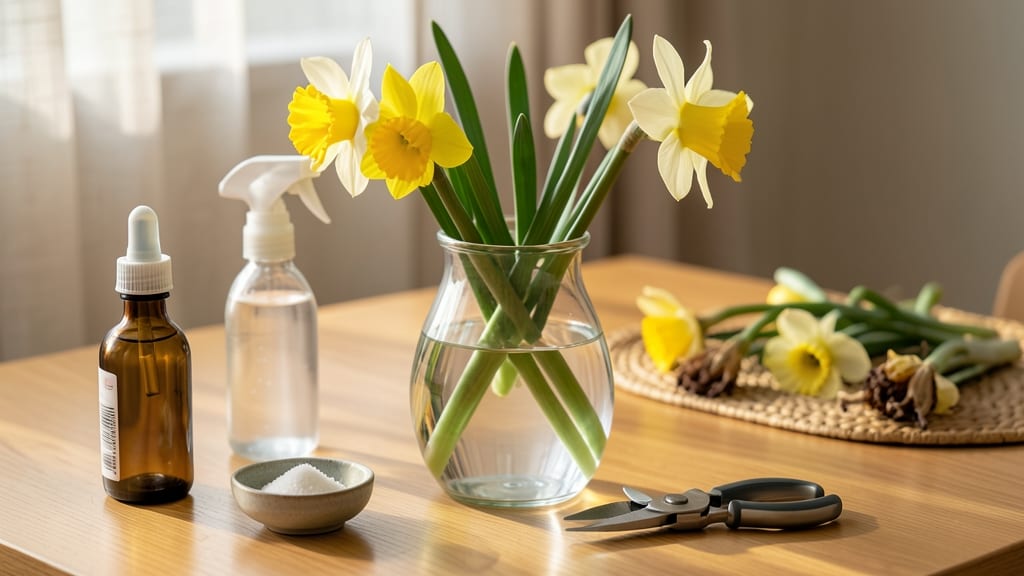
How to make daffodils last longer—here’s the trick: they wilt faster than tulips unless you know these science-backed steps. ✨ I’ve rescued dozens of drooping stems with simple techniques that keep them fresh for 2+ weeks instead of days. Start by cutting stems at a 45-degree angle underwater—this increases water uptake. Remove lower leaves that’ll sit in water (they rot fast), but leave the foliage above the vase. Change the water every 2 days, and add a pinch of bleach or commercial flower food to fight bacteria. The real secret? Keep them cool (60-70°F) and out of direct sun. Daffodils hate heat—they’ll last longer in a dim room than a sunny windowsill. Trim stems every few days to keep water flowing. For stubborn wilting, try a DIY solution: 1 tsp sugar + 1 drop bleach per quart of water. It’s the combo of food and bacteria control that works miracles.
📚 In This Guide
- What you need
- Instructions
- Tips and common mistakes
- Wrapping up and next steps
What you need
- ● Fresh daffodils: 1-10 stems (or more, depending on your vase size). Choose stems with tightly closed buds for the longest vase life.
- ● Clean vase: A glass or ceramic container (preferably clear) with a wide mouth to accommodate stems. Size matters! Aim for a vase that holds 1 inch of water per stem (e.g., 5 stems = 5-inch vase).
- ● Fresh, cool water: Filtered or tap water (let it sit out for 30 minutes to release chlorine if using tap). About 2-3 cups per vase.
- ○ Floral preservative: 1 packet (or 1 tsp of store-bought or DIY preservative—see optional section below).
- ● Sharp scissors or floral knife: Never use dull tools! A clean cut prevents crushing stems and blocks water flow.
- ● DIY preservative: Mix 1 tsp sugar + 1 tsp white vinegar or bleach (1/4 tsp) per quart of water. Sugar feeds the flowers, while vinegar/bleach fights bacteria.
- ● Hydrogen peroxide (3%): 1 tbsp per quart of water to sterilize and extend freshness.
- ● Aspirin (crushed): 1 tablet (reduces ethylene gas, which speeds up wilting).
- ● Aluminum foil: A small piece to line the vase bottom (prevents bacterial buildup from stems touching water).
- ● Newspaper or dark paper: To wrap stems before cutting (reduces stress on the flowers).
Step-by-step instructions for extending daffodil vase life
Here’s the method I’ve used to keep cut daffodils fresh for 2-3 weeks—no special products needed.
💧 Step 1: Prep the Stems Immediately After Cutting
Fill a clean bucket with lukewarm water and add a stem freshener—I use a mix of 1 teaspoon bleach (to prevent bacteria) and 1 tablespoon white vinegar (to lower pH and open blocked vessels). Submerge stems for 30-60 minutes before arranging. This step is critical: daffodils often take in water through tiny stem openings that close when exposed to air.
While soaking, trim stems at a 45-degree angle with sharp scissors. Cutting underwater prevents air bubbles from blocking the stem’s ability to drink. I like to do this in the kitchen sink—it’s easier to see what I’m doing, and the water keeps stems hydrated while I work.
✂️ Step 2: Create the Perfect Vase Setup
Use a clean vase—even a small residue of soap or detergent can shorten vase life. Fill it with room-temperature water (never cold) and add 1 teaspoon sugar (for energy) and ½ teaspoon bleach (to keep water fresh). A splash of lemon-lime soda (like Sprite) raises the pH slightly, which daffodils love.
Arrange stems loosely—don’t crowd them. Tight clusters trap moisture and encourage bacterial growth. I like to fan stems outward so they don’t block each other’s access to water. Change the water every 2-3 days or when it looks cloudy, even if the stems still stand.
☀️ Step 3: Optimize Light and Environment
Place your arrangement in bright, indirect light—direct sun causes petals to wilt faster. A north-facing window or a spot near a bright lamp works best. Keep the vase away from heat sources like radiators or vents, which dry out the flowers quickly.
Mist the blooms lightly with water once a day to keep petals hydrated from the outside. Avoid getting water on the petals themselves—this can cause spotting. If you notice buds forming but not opening, move the vase to a slightly cooler spot (around 60-65°F) to encourage blooming.
🌿 Step 4: Maintain and Refresh Weekly
Every 7 days, trim stems again at a fresh 45-degree angle and place them in fresh water with the same additives. Daffodils are heavy drinkers—refill the vase as needed to keep stems submerged. If you see yellowing leaves at the base, that’s normal and won’t harm the blooms.
Remove any wilted petals or leaves that fall into the water to prevent bacterial growth. I also like to swirl the vase gently once a week to stir up fresh water at the bottom—this helps stems absorb nutrients evenly. With this routine, your daffodils will stay vibrant for double the usual time.
Tips & tricks for perfect daffodil arrangements
Took me a while to figure these out, so here’s what actually makes the difference with cut daffodils.
The Soak Secret: That 30-60 minute soak in Step 1 isn't just about hydration—it's about reopening those microscopic stem openings. I learned this the hard way after ruining three batches by skipping it. Use lukewarm water (never hot) because extreme temperatures can actually damage the delicate stem cells. The vinegar in the mix does more than lower pH—it acts like a gentle scrub to clear out any blockages from the cutting process.
Cutting Technique That Changed Everything: The 45-degree angle isn't just decorative—it creates more surface area for water absorption. Here's what nobody tells you: use a sharp pair of floral shears or even kitchen scissors, but make sure they're clean. Dull blades crush stems instead of cutting cleanly, which immediately limits water uptake. I like to recut stems every time I refresh the water to maintain this optimal surface area.
Lighting Strategy: Bright indirect light is non-negotiable, but here's the pro tip: if you only have direct sunlight options, place the arrangement about 3 feet away from the window. The light should be bright enough to read by, but you shouldn't be able to see your shadow clearly on the flowers. I've noticed that morning light (before 10am) is actually gentler on daffodils than afternoon sun, which can cause petals to bleach out faster.
Weekly Refresh Hack: The 7-day refresh rule is solid, but I've found that if you notice the water getting cloudy before 3 days, it's time to change it immediately. That cloudiness isn't just bacteria—it's also a sign the water's nutrients are depleted. Pro tip: after trimming stems for the weekly refresh, give them a quick 10-second rinse under cool water to remove any sap that might block the cut ends. This simple step can add an extra 2-3 days to your arrangement's life.
Pro Tips for Make Daffodils Last Longer
- Took me a while to figure these out, so here’s what actually makes the difference with cut daffodils.
- The Soak Secret: That 30-60 minute soak in Step 1 isn't just about hydration—it's about reopening those microscopic stem openings.
- Cutting Technique That Changed Everything: The 45-degree angle isn't just decorative—it creates more surface area for water absorption.
Frequently asked questions
Got questions about keeping your daffodils fresh? You’re not alone!
Here are answers to the most common concerns—plus a few pro tips to troubleshoot on the fly.
Why do daffodils wilt so fast?
Daffodils release a natural sap that can clog stems, blocking water absorption. Their thick, woody stems also struggle to draw up liquid efficiently. Cut stems at an angle and use warm water (not hot) to help them drink up faster. Pro tip: Avoid overcrowding the vase—give each stem space to thrive!
How long will daffodils last with these tricks?
With proper care, daffodils typically last 7–10 days in a vase. Some varieties (like Jonquil or Tête-à-Tête) may hold up slightly longer due to their sturdy stems. For maximum longevity, recut stems every 2–3 days and refresh the water with a drop of bleach or flower food.
Can I use tap water or do I need distilled?
Tap water works fine, but chlorinated or heavily treated water can shorten their life. If your water has a strong odor or taste, let it sit out overnight before using. For the best results, opt for room-temperature, filtered water—it’s gentler on delicate stems.
What if my daffodils start to droop?
Drooping is usually a sign of thirst or stem blockage. First, trim ½ inch off the stems at a 45-degree angle and place them in fresh, warm water. Add a splash of sugar (1 tsp per quart) or a flower preservative to revive them. If leaves wilt but buds stay firm, they’re just tired—give them a few hours to perk up!
Are daffodils toxic to pets if I follow these tips?
Yes, daffodils are highly toxic to cats and dogs if ingested (even in small amounts). While these tricks extend their vase life, keep them out of reach of pets. Symptoms of poisoning include vomiting, drooling, or lethargy. If accidental ingestion occurs, contact your vet or the ASPCA Poison Control immediately.
What’s a good alternative if daffodils wilt too quickly?
If you love daffodils’ bright cheer but want longer-lasting blooms, try these low-maintenance alternatives:
- Tulips: Last 5–7 days with proper care (trim stems, change water every 2 days).
- Ranunculus: Delicate but durable—hold up for 10+ days in a vase.
- Snapdragons: Hardy stems and vibrant colors; thrive for 1–2 weeks.
- Alstroemeria: Often called "perpetual flowers" because they last 14+ days!
For a daffodil-like look with better longevity, mix in paperwhites or hyacinths—they’re equally fragrant and slightly more resilient.
Wrapping up and next steps
With a few simple, science-backed tweaks, you can turn your daffodils into a vibrant centerpiece that brightens your space for weeks instead of days! 🌸 The key is keeping them hydrated, happy, and healthy—whether through fresh cuts, the right water, or a cozy environment.
Now that you’re armed with these tricks, go forth and extend their beauty like a pro.
Ready to put your new skills to the test? Grab a bouquet, follow your favorite tip, and share your longest-lasting daffodils with us! 📸 Tag #DaffodilHacks for a chance to be featured. Happy arranging!