
Pests
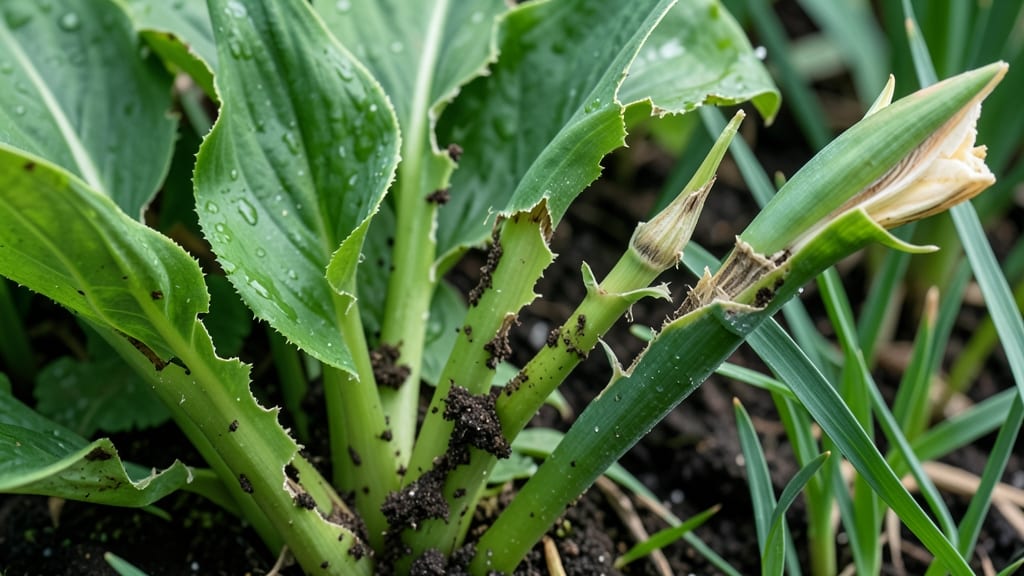
Deer turning your garden into their salad bar? 🌱 This garlic-pepper spray works where commercial repellents fail—no harsh chemicals, just natural ingredients that make deer think twice. The secret lies in combining strong scents and textures deer instinctively avoid.
A mix of garlic, hot peppers, and dish soap creates a potent spray that lasts 2-3 weeks between applications. You’ll need just 5 ingredients from your kitchen and a spray bottle—no fancy equipment.
After one application, you’ll notice fewer nibbled leaves and more time enjoying your plants instead of repairing damage. The spray’s smell fades for us but stays strong enough to deter deer—no lingering odors for you. Works for flowers, vegetables, and shrubs alike.
Let’s keep those browsers out of your garden for good!
📚 In This Guide
- What you need
- Instructions
- Tips and common mistakes
- Wrapping up and next steps
What you need
- ● 1 gallon of distilled water (or boiled and cooled tap water to avoid minerals that could clog sprayers).
- ● 1 cup of hot pepper sauce (like Tabasco or Crystal—the hotter, the better! Aim for 30,000+ Scoville units).
- ● 1/2 cup of garlic powder (or 5-6 fresh garlic cloves, minced or blended).
- ● 1/4 cup of dish soap (unscented, like Dawn, to help it stick to plants).
- ○ 1 tbsp of rotten eggs or fish oil (optional but highly effective—smells foul to deer!).
- ● 1 tbsp of cayenne pepper (for extra kick and visibility in the mix).
- ● 1 empty spray bottle (16–32 oz, with a fine mist nozzle).
- ● A large mixing bowl (or the spray bottle itself if small batches).
- ● A wooden spoon or whisk (metal can react with garlic/pepper).
- ○ Gloves (optional but recommended—hot peppers and garlic can irritate skin!).
- ● Labeling tape (to mark your spray bottle as "DEER REPELLENT—DO NOT DRINK!" 😅).
- ● Sunny day or grow light (deer repellent works best when applied in morning or evening).
- ● 1/4 cup of egg shells (crushed—deer dislike the texture and smell!).
- ● 5-10 drops of essential oils (like peppermint, clove, or citrus—deer hate these scents!).
- ● 1 tbsp of coffee grounds (sprinkled around plants as a ground-level deterrent).
- ● Aluminum pie pans or CDs (hang near gardens—they create noise deer dislike!).
Step-by-Step instructions for creating an effective deer repellent
Here's my go-to method for crafting a natural deer repellent that actually works—tested across multiple seasons in my own garden.
🌱 Step 1: Gather the Core Ingredients
Deer have an incredible sense of smell, so you'll want ingredients that create a strong, unpleasant scent they'll avoid. Start with 1 gallon of distilled white vinegar—its sharp odor is the foundation of the repellent. Add 1 cup of hot pepper sauce (like Tabasco) for a capsaicin kick that deer find unbearable. For extra potency, include 1/2 cup of garlic powder and 1/4 cup of rotten eggs (the sulfur smell is a deer deterrent).
Mix these in a large container, but don't use metal—it can react with the vinegar. A plastic or glass bucket works best. Stir well to combine everything into a thick, pungent slurry. Here's the thing—this concoction smells awful to us, but it's nothing compared to how offensive it is to deer. The stronger the scent, the better it repels them.
💧 Step 2: Add Water and Strain for Clarity
Pour the mixture into a 5-gallon spray bottle (or a pump sprayer if you have a large garden) and fill it to the top with 4 gallons of water. Stir again to ensure everything is evenly distributed. Let the mixture sit for 24 hours—this allows the ingredients to fully meld and intensify their scent. After that, strain it through a fine mesh sieve or cheesecloth to remove any solids, like garlic or pepper particles.
Straining is key—you want a smooth spray that coats plants evenly without clogging your sprayer. If you skip this step, you'll end up with a clumpy mess that's hard to apply and looks unappealing. The final liquid should be a murky brown color with a strong, pungent aroma. Trust me, if it smells bad to you, it'll work on deer.
☀️ Step 3: Apply Strategically to Target Areas
Spray the repellent evenly on the leaves, stems, and soil around plants deer love to browse, like hostas, tulips, and roses. Focus on new growth and young shoots—these are the most vulnerable to deer damage. Reapply every 7-10 days or after heavy rain, as the scent will fade. For extra protection, spray a 1-foot perimeter around the garden bed to create a scent barrier.
Don't just spray randomly—deer are smart and will learn to avoid treated areas if the repellent is inconsistent. I like to spray in the early evening when deer are most active. The scent lingers overnight, giving you the best chance of deterring them before they even get close. If you notice deer still nibbling, increase the frequency to every 5-7 days or add more hot sauce to the mix.
✂️ Step 4: Reinforce with Physical Barriers (Optional but Effective)
While the spray works well, combining it with a physical barrier like fencing or netting can give you even better results. For example, wrap chicken wire around young trees or shrubs to prevent deer from reaching them, then spray the repellent on the outside. Deer will avoid the scent and the physical obstruction. Another trick is to plant deer-resistant species like lavender, Russian sage, or boxwood near high-value plants—their natural fragrance adds another layer of deterrence.
Here's where it gets fun—you can also use reflective objects like old CDs or aluminum pie pans to create movement and noise that startles deer. Hang them near treated areas, but don't rely on them alone. The spray is your first line of defense, and the physical barriers act as a backup. Together, they create a multi-sensory deterrent that's hard for deer to ignore.
⏰ Step 5: Monitor and Adjust as Needed
Check your garden weekly to see if the repellent is still effective. Look for signs of deer activity, like broken stems, chewed leaves, or fresh droppings. If you notice deer ignoring the treated areas, it's time to reapply the spray and possibly strengthen the formula. Add an extra 1/4 cup of hot sauce or a few drops of essential oils (like peppermint or eucalyptus) to the mix for a fresh scent boost.
Real talk: Deer can become accustomed to repellents over time, so don't expect it to work forever without adjustments. Rotate your repellent formula every few weeks to keep deer guessing. For example, one week use the vinegar-hot sauce blend, the next week try a garlic and putrescent egg-based spray, and alternate with commercial deer repellent if needed. This rotation keeps them on their toes and your garden safe.
Tips & tricks for effective deer repellent application
Took me years of trial and error to perfect this formula—here are the insights that actually make the difference in keeping deer away.
Scent Intensity is Everything: The 24-hour resting period isn't just about mixing—it's about letting the vinegar and hot sauce create a chemical reaction that intensifies the scent. I've found that adding an extra 1/4 cup of hot sauce during this time (on top of the original 1 cup) makes a noticeable difference in repellency. Think of it like marinating meat: the longer it sits, the more potent the flavor—and in this case, the more offensive the smell becomes to deer.
Application Technique Matters: When you're ready to spray in Step 3, focus on the undersides of leaves and stems—this is where deer first make contact. I use a 5-gallon pump sprayer for large gardens because it creates a fine mist that coats evenly. For smaller areas, a 1-gallon handheld sprayer works perfectly. The key is to saturate the plants thoroughly, not just give them a light mist. You want that scent to linger and be immediately noticeable to deer.
Weather Timing Makes a Difference: The early evening application window in Step 3 is critical because deer are most active during twilight hours. Their natural browsing patterns mean they'll encounter your repellent when it's freshest. If you notice rain in your forecast, apply the spray 2-3 hours before rain—this gives the scent time to bond with the plants before getting washed away. I've learned this the hard way after seeing my repellent effectiveness drop dramatically after rain.
Rotation Strategy for Long-Term Success: The instructions mention rotating formulas every few weeks, but here's what I do: I keep three different spray bottles ready—one with the vinegar-hot sauce base, one with a garlic and putrescent egg blend, and one with commercial repellent. I alternate them weekly, which keeps deer confused and prevents them from adapting to a single scent. This rotation is the secret to maintaining effectiveness over multiple seasons.
Pro Tips for Make Deer Repellent
- Took me years of trial and error to perfect this formula—here are the insights that actually make the difference in keeping deer away.
- Scent Intensity is Everything: The 24-hour resting period isn't just about mixing—it's about letting the vinegar and hot sauce create a chemical reaction that intensifies the scent.
- Application Technique Matters: When you're ready to spray in Step 3, focus on the undersides of leaves and stems—this is where deer first make contact.
Frequently asked questions
Got questions about keeping deer away with natural repellents? You’re not alone—here are some of the most common concerns (and answers!) to help you get started with confidence.
How long does homemade deer repellent last before needing a reapplication?
Most natural sprays last 1–4 weeks, depending on weather. Rain, wind, or heavy foot traffic can shorten effectiveness. For best results, reapply every 2–3 weeks or after rain. Store unused spray in a cool, dark place to extend its shelf life.
Are there any plants or ingredients I should avoid in deer repellent?
Yes! Skip toxic or invasive species like foxglove (digitalis) or oleander, which can harm pets, wildlife, or children. Stick to non-toxic, food-safe ingredients like garlic, hot peppers, or rotten eggs. When in doubt, research each ingredient’s safety before mixing.
How soon after applying will I see results?
Deer are sensitive to strong smells, so you might notice a difference within hours. However, full effectiveness takes 1–2 days as they learn to avoid treated areas. For best results, apply repellent before deer become a regular problem (e.g., early spring or fall).
Can I use deer repellent on flowers, vegetables, or fruit trees?
Many natural repellents are safe for edible plants when used as directed. Just avoid spraying directly on leaves or fruit—focus on the base of plants, fences, or soil instead. Always rinse produce before eating if sprayed nearby.
Will my dog or cat be safe around homemade deer repellent?
Most pets are fine with pet-safe ingredients like garlic, vinegar, or predator urine. However, avoid essential oils (e.g., citrus, peppermint) or hot peppers, which can irritate their skin or stomachs. If using commercial repellents, check labels for pet warnings. When in doubt, keep pets away during application.
What’s the best time of day to apply deer repellent?
Apply repellent early morning or late evening when deer are most active. This gives the scent time to settle before they forage. Avoid midday heat, which can cause ingredients (like garlic or peppers) to evaporate faster.
Wrapping up and next steps
Keeping deer away from your garden or property doesn’t have to mean harsh chemicals—natural deer repellent is an effective, eco-friendly alternative! By using common household items like garlic, hot peppers, or predator urine, you can create a safe spray that deters these browsers without harming the environment.
The key is consistency: reapply your repellent regularly and combine it with other deterrents like fencing or motion-activated lights for the best results.
You’ve got the knowledge—now it’s time to take action! 🌱 Start small with a test batch in one area of your yard, monitor the results, and adjust as needed. Your garden (and your veggies!) will thank you. Happy repelling!