
Flowers
Here’s your rewritten text with the updated opening:
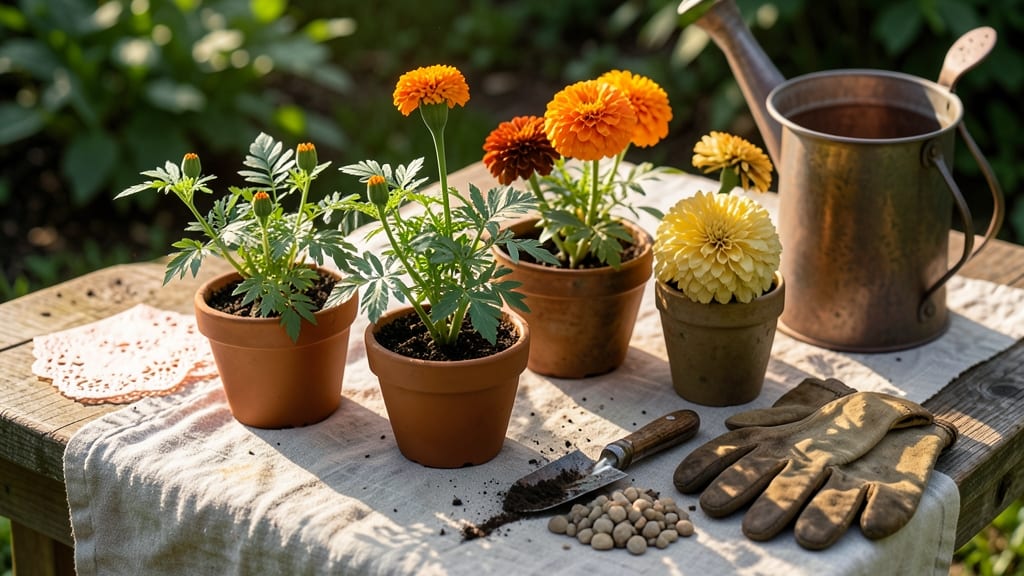
How to make flowers for the Day of the Dead—let cempasúchil’s golden glow light up your altars every November 1st. 🌼 These marigolds aren’t just flowers—they’re beacons guiding loved ones home during Día de los Muertos. Their vibrant petals symbolize the sun’s journey, while their scent carries memories across generations.
The magic starts with fresh marigolds—either grown from seed or purchased in clusters. You’ll need scissors, wire or floral tape, and small vases or containers for arrangements. For extra staying power, trim stems at an angle and change water every 2 days.
Traditional altars pair these flowers with candles, photos, and offerings like pan de muerto.
By afternoon, your altar will burst with color and meaning. The petals’ deep orange hues contrast beautifully with white candles, creating a sacred space that honors tradition. Each bloom becomes a bridge between worlds, its fragrance carrying prayers to those we’ve lost.
Timing matters—start gathering flowers 2 weeks before to ensure freshness. Artificial marigolds work too, but real ones carry deeper cultural weight. Whether you’re crafting for the first time or perfecting your display, these flowers hold the power to make memories last beyond the season.
📚 In This Guide
- What you need
- Instructions
- Tips and common mistakes
- Wrapping up and next steps
What you need
- ● Marigold flowers: 10–20 fresh or dried blooms (orange/yellow hues preferred, like Cempasúchil or Tagetes varieties).
- ● Green floral wire: 1–2 yards (18–24 gauge, flexible for shaping).
- ● Scissors: Sharp floral or craft scissors for clean cuts.
- ○ Pencil or pen: For sketching designs on paper (optional template).
- ● Cardstock or thick paper: 1–2 sheets (for petal templates, 8.5"x11" size).
- ● Glue (white or floral glue): 1 small bottle (for securing petals).
- ● Toothpicks or thin wire: 5–10 pieces (for reinforcing petals).
- ● Paint (acrylic or tempera): Small bottles (gold, black, or metallic for accents).
- ● Glitter or mica powder: For a shimmering effect (use sparingly!).
- ● Fabric scraps: Thin layers (for backing or wrapping stems).
- ● Hot glue gun: For quick fixes (adult supervision required!).
- ● Dried leaves/pinecones: For textural depth in arrangements.
Step-by-Step instructions for crafting traditional Day of the Dead marigolds
Here's how to create meaningful marigold arrangements that honor tradition while adding vibrant color to your celebrations.
🌱 Step 1: Select and Prepare Your Marigolds
Choose orange or deep yellow marigolds—these colors symbolize the sun and guide spirits during Día de los Muertos. I prefer small, fully bloomed flowers with sturdy stems for durability. Harvest them in the morning when petals are crisp and vibrant. Snip stems at a 45-degree angle with clean shears to maximize water absorption and vase life.
Remove any lower leaves that would sit submerged in water, as they rot quickly. This ensures your arrangements stay fresh longer. For best results, work with freshly cut flowers—marigolds wilt faster than many other blooms, so plan to craft your pieces the morning of your celebration. A quick rinse under cool water removes any dirt or pests that might have hitched a ride from the garden.
🪴 Step 2: Choose Your Display Containers
Traditional Day of the Dead displays use small clay pots, vintage teacups, or hollowed-out gourds—each carries symbolic meaning. For a modern twist, I often use miniature terracotta pots (the ones meant for succulents) because they're lightweight and fit perfectly on altars. Clean containers thoroughly with soapy water and rinse well to remove any residue that could shorten flower life.
For larger arrangements, repurpose small wooden boxes or shallow bowls—these create beautiful layered displays. Line the bottom with a damp paper towel to help maintain moisture. The key is balance: your container should complement the flowers without overwhelming them. I like to arrange 3-5 stems per small pot to create a lush, natural look that still feels intentional rather than crowded.
☀️ Step 3: Arrange Flowers With Cultural Symbolism
Create small clusters of 3-5 stems per container, mimicking the natural growth pattern of marigolds. In Mexican tradition, odd numbers represent life's continuity, so groupings of three or five carry special meaning. Angle stems slightly outward to create a full, radiant display that catches light beautifully—this mimics how marigolds grow in wild patches along roadsides.
Leave about 1 inch of stem exposed above the container rim for stability. For extra visual impact, add a few small sprigs of eucalyptus or rosemary (if available) to create texture contrast. The greenery represents life's persistence amidst remembrance. Arrange flowers so they face outward slightly—this creates that signature "sunburst" effect that's so iconic to Day of the Dead displays.
💧 Step 4: Maintain Freshness Through the Celebration
Change water daily using lukewarm water mixed with a drop of bleach (1 part bleach to 10 parts water) to prevent bacterial growth. I always use a clean vase or container for fresh water changes—never reuse old water. Add a flower food packet if available, as marigolds benefit from the preservatives. Keep arrangements in a cool, shaded spot when not in use to preserve their vibrant color.
For outdoor displays, position them where they'll receive morning sunlight only—direct afternoon sun causes petals to fade quickly. If you notice petals wilting, give them a quick mist with water and adjust their position to face the light more directly. The goal is to keep them looking fresh for as long as possible, as each arrangement represents a connection to loved ones being honored.
⏰ Step 5: Incorporate Meaningful Accents
Add symbolic elements like small sugar skulls, candles, or photos of loved ones around your marigold arrangements. In traditional altars, these items create layers of meaning. Place a single white candle near each arrangement to represent the light that guides spirits. I like to use unscented candles so the vibrant colors remain the focal point.
For extra cultural authenticity, include a few paper flowers or tissue-petal marigolds (made from colored paper) among the real blooms. These represent the fleeting nature of life and the connection between the living and the dead. Arrange everything in layers, with marigolds forming the base "sun" around which other elements gather—this creates that iconic radiant effect that makes these displays so powerful.
Tips & tricks for perfect Day of the Dead marigold arrangements
These thoughtful touches will help you create marigold displays that honor tradition while staying vibrant throughout your celebration.
Selection Tip: When harvesting marigolds in Step 1, focus on stems with at least three fully opened blooms—they'll provide the most dramatic color impact. I've found that marigolds harvested just after sunrise have the most intense pigmentation, which is especially important for creating that signature Day of the Dead radiance. The crisp morning petals also hold their shape better during arrangement.
Container Strategy: For Step 2, consider using containers with textured surfaces like terracotta or wood—they'll help create a more natural, earthy look that complements the cultural symbolism. I like to arrange 3-5 stems per container as mentioned, but for larger displays, you can create cascading arrangements by using slightly taller containers and letting stems drape naturally. This mimics how wild marigolds grow along roadsides in Mexico.
Cultural Enhancement: In Step 3, take advantage of the symbolic odd-number groupings by creating small "sunburst" clusters of exactly five stems—this represents the five elements (earth, water, fire, wind, and the celestial realm) in Aztec cosmology. For extra authenticity, try to arrange stems so they form a slight spiral pattern, which mimics the natural growth habit of marigolds and adds visual interest to your displays.
Freshness Preservation: When maintaining your arrangements in Step 4, I've found that adding a pinch of sugar to the water (along with the bleach solution) helps preserve the vibrant color longer. The sugar provides quick energy for the cut stems while the bleach prevents bacterial growth. For outdoor displays, position them where they'll receive morning sunlight—this helps maintain their color while preventing the afternoon sun from causing premature wilting.
Pro Tips for Make Flowers For Day Of The Dead
- These thoughtful touches will help you create marigold displays that honor tradition while staying vibrant throughout your celebration.
- Selection Tip: When harvesting marigolds in Step 1, focus on stems with at least three fully opened blooms—they'll provide the most dramatic color impact.
- Container Strategy: For Step 2, consider using containers with textured surfaces like terracotta or wood—they'll help create a more natural, earthy look that complements the cultural symbolism.
Frequently asked questions
Got questions about crafting your Día de los Muertos marigolds? You’re not alone! Here are some of the most common queries—and their answers—to help you create meaningful, vibrant flowers with confidence.
Can I use fake marigolds for Día de los Muertos?
Fake marigolds (or cempasúchil replicas) are a great alternative if fresh flowers aren’t available. Opt for bright orange or yellow paper flowers or fabric petals—they’ll still honor the tradition beautifully. Just ensure they’re weather-resistant if displayed outdoors.
How far in advance can I make these flowers?
Pre-made marigold crafts can last 1–2 weeks if stored properly. Keep paper flowers in a dry, cool place (like a sealed box) and avoid humidity. For tissue-paper or fabric versions, reinforce stems with glue or tape to prevent sagging over time.
What if my marigolds look uneven or messy?
Don’t stress—imperfections add charm! If petals are lopsided, try folding them inward slightly before securing. For uneven layers, use a toothpick to gently shape them while glue dries. Even "flaws" can evoke the handmade spirit of the holiday.
Are there eco-friendly ways to make these?
Yes! Skip plastic stems—use recycled cardboard or bamboo skewers instead. For petals, try reusable fabric scraps or biodegradable paper. If using real flowers, compost them after the celebration to honor the cycle of life.
Do the flowers need to be lit or placed in specific spots?
While candles are traditional, flowers alone carry deep meaning. Place them on altars (ofrendas), graves, or doorways to guide spirits home. For extra symbolism, pair them with copal incense or photos of loved ones—but the flowers stand strong on their own!
Wrapping up and next steps
Creating your own Day of the Dead marigold flowers is a beautiful way to honor tradition while adding a personal touch to your celebrations. Whether you choose paper, fabric, or real petals, each craft carries deep cultural meaning and vibrant energy—perfect for altars or gifts. 🌼
Now that you’re inspired, why not share your creations? Invite friends or family to join in, or even host a DIY workshop to spread the joy of this meaningful craft. ¡Que viva la tradición!