
Blooming
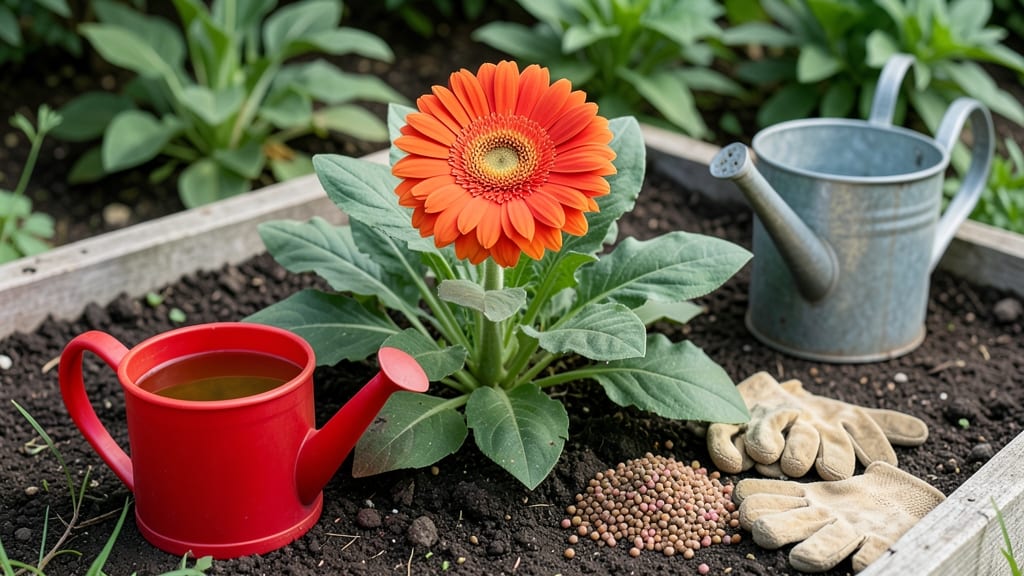
Gerbera daisies refuse to bloom?
I’ve had my share of frustration watching lush green foliage without a single flower—until I uncovered the sunlight and soil secrets that finally triggered those vibrant blooms. 🌻 The key isn’t just more water or fertilizer; it’s understanding what these tropical beauties actually need to shift from leafy growth to flower production.
Most gardeners overlook the fact that gerberas demand 6+ hours of direct sunlight daily—not the dappled shade many assume. My first mistake? Placing them under a tree where they got too little light. Once I moved them to full sun, the difference was dramatic.
Soil matters just as much: well-draining, slightly acidic mix (pH 5.5–6.5) prevents root rot while encouraging blooms. A balanced fertilizer with higher phosphorus (the middle number) also signals plants to focus on flowers instead of leaves.
You’ll see the first buds appear within 4–6 weeks of adjusting care, with continuous blooms if you deadhead spent flowers and avoid overwatering. The secret weapon? A light pruning after each flush of blooms keeps energy flowing toward new flowers.
Even in winter, gerberas can bloom if given proper light—just reduce watering slightly to mimic their natural dry season.
This method works for both container-grown gerberas and in-ground plants, whether you’re dealing with leggy stems or just no flowers at all. The payoff? A year-round display of cheerful blooms that brightens any space. Let’s get those daisies flowering!
📚 In This Guide
- What you need
- Instructions
- Tips and common mistakes
- Wrapping up and next steps
What you need
- ● Gerbera daisies: Healthy plants (potted or in-ground) with at least 3–4 mature leaves. Pro tip: Choose varieties like ‘Annette Hegg’ or ‘Penny’ for vibrant blooms!
- ● Well-draining potting mix: 1–2 gallons (for pots) or enriched garden soil (for beds). Look for a blend with 50–60% perlite/vermiculite to prevent root rot.
- ○ Balanced fertilizer: A 10-10-10 or 20-20-20 NPK ratio (granular or liquid). Optional: Slow-release pellets for convenience.
- ● Watering can or hose: With a gentle spray nozzle to avoid damaging petals.
- ● Pruning shears: Sharp, clean pair for trimming spent blooms and leggy stems.
- ● Mulch: Organic options like straw or shredded bark (1–2 inches thick) to retain moisture.
- ● Sunlight access: 6–8 hours of direct sunlight daily. South- or west-facing spots are ideal!
- ● Temperature range: 60–75°F (15–24°C). Gerberas hate frost—keep them indoors if temps drop below 50°F (10°C).
- ● Watering routine: Keep soil evenly moist but not soggy. Pro tip: Water at the base (not leaves) to prevent fungal issues.
- ● Deadheading: Remove faded blooms weekly to encourage new flowers. ✨ Bonus: Snip stems at a 45° angle just above a leaf node!
- ● Epsom salt: 1 tbsp dissolved in 1 gallon of water (monthly) for magnesium boost.
- ● Compost tea: Homemade or store-bought to enrich soil naturally.
- ● Grow lights: LED full-spectrum bulbs (for indoor setups with 12–14 hours of light/day).
- ● Floral food: Liquid bloom booster (like Miracle-Gro Bloom) for a quick color surge.
Step-by-Step instructions for encouraging gerbera daisy blooms
Here's how I coax these bright blooms into full, vibrant life—no fancy tricks, just sunlight and soil smarts.
☀️ Step 1: Position for Maximum Sunlight
Gerberas demand 6-8 hours of direct sunlight daily—they won’t bloom without it. A south-facing window or patio works, but if you’re growing them in pots, rotate the container a quarter turn weekly so they don’t lean toward the light. You’ll know they’re getting enough when the foliage stays deep green, not yellowing or stretching.
If your space only gets partial sun, choose a spot with at least 4 hours of morning sunlight—afternoon shade helps prevent scorching in hot climates. Watch for buds forming along the stems; these are your first sign the light conditions are right.
💧 Step 2: Water Deeply but Infrequently
Overwatering is the #1 killer of gerbera blooms—these plants hate soggy roots. Water only when the top 1-2 inches of soil feel dry to the touch. Stick your finger in; if it comes out clean, wait another day. When you do water, soak the soil until it drains from the bottom, then empty any excess from the saucer.
Gerberas also appreciate humidity. If your air feels dry (common in winter), mist the foliage lightly in the morning or place the pot on a tray of pebbles filled with water. You’ll see stronger stems and more buds when the plant isn’t struggling to hydrate.
🌱 Step 3: Feed with the Right Fertilizer
Use a balanced, water-soluble fertilizer (like 10-10-10) diluted to half-strength every 4-6 weeks during the growing season. I skip fertilizing in winter when growth slows. Too much nitrogen makes gerberas focus on leaves instead of blooms—look for a fertilizer with equal or slightly higher phosphorus (the middle number) to encourage flowering.
Apply fertilizer to moist soil in the morning to prevent root burn. After feeding, water again to rinse any excess salts away. You’ll notice new buds forming within 2-3 weeks of consistent feeding, especially if the old blooms have faded.
✂️ Step 4: Deadhead and Prune for Continuous Blooms
Snip off spent blooms just above a set of leaves with clean scissors to redirect the plant’s energy into new flowers. I do this every 2-3 days during peak bloom season—gerberas reward consistent deadheading with nonstop color. Never cut into woody stems; always leave a leaf node to encourage branching.
If your gerbera gets leggy, trim back the longest stems by one-third to promote bushier growth. Do this in early spring or after a major bloom cycle. You’ll see fresh, compact growth within 3-4 weeks, and the plant will rebound with even more vibrant blooms.
🪴 Step 5: Refresh Soil and Repot as Needed
Gerberas thrive in well-draining soil with a slightly acidic pH (around 6.0-6.5). If your plant has been in the same pot for over a year, repot it into fresh potting mix with perlite to improve aeration. Choose a container just 1-2 inches larger in diameter than the previous one—too much space encourages foliage over flowers.
After repotting, hold off on fertilizing for 4-6 weeks to let the roots establish. You’ll know the transition is successful when new growth appears within 2-3 weeks, followed by fresh buds forming along the stems.
Tips & tricks for vibrant gerbera daisy blooms
To keep your gerberas blooming like a pro, these simple tricks will help you avoid common pitfalls and get the most out of your plants.
Light Positioning: The 6-8 hours of direct sunlight in Step 1 is non-negotiable, but here's what nobody tells you—if your window gets intense afternoon sun, try a sheer curtain to soften the light. Gerberas can scorch easily, and you'll notice buds dropping if they're getting too much heat. Morning sun is your best friend, especially in hotter climates where afternoon rays can be brutal.
Watering Wisdom: When checking soil moisture in Step 2, press your finger in about 1-2 inches—if it feels damp, wait another day. I've learned the hard way that gerberas will show you their displeasure with yellowing leaves or limp stems if overwatered. For container growers, always empty saucers completely after watering to prevent root rot, which can happen surprisingly fast in these tropical beauties.
Fertilizer Timing: That 4-6 week feeding schedule in Step 3 works beautifully, but here's my secret: I always feed in the morning so the plant has time to absorb nutrients before nightfall. Also, if you notice new buds forming but they're tiny and not opening, you might be overdoing it on the nitrogen—switch to a bloom booster with higher phosphorus for that extra push.
Pruning Precision: When deadheading in Step 4, make your cuts just above a leaf node where new growth can emerge. I use small floral scissors for this because regular scissors can crush stems. For leggy plants, trim back by one-third at the base—this might sound drastic, but you'll see bushier growth within those 3-4 weeks, and the plant will bounce back with even more vibrant blooms.
Pro Tips for Make Gerbera Daisies Bloom
- To keep your gerberas blooming like a pro, these simple tricks will help you avoid common pitfalls and get the most o...
- Light Positioning: The 6-8 hours of direct sunlight in Step 1 is non-negotiable, but here's what nobody tells you—if ...
- Watering Wisdom: When checking soil moisture in Step 2, press your finger in about 1-2 inches—if it feels damp, wait ...
Frequently asked questions
Got questions about coaxing those stunning gerbera blooms? You’re not alone!
Here are answers to the most common queries—from sunlight struggles to soil secrets—so you can keep your daisies looking their best.
Why aren’t my gerbera daisies blooming, even with plenty of sunlight?
Gerberas need 6–8 hours of direct sunlight daily, but too much heat (especially in summer) can stress them. Try morning sun + afternoon shade in hot climates. Also, check for overcrowding or nutrient deficiencies—they may be focusing energy on leaves instead of flowers.
How long does it take for gerbera daisies to bloom after planting?
With ideal conditions (sunlight, well-draining soil, and regular watering), gerberas typically bloom 8–12 weeks after planting. Cut back spent blooms to encourage new ones, and feed monthly with a balanced fertilizer (like 10-10-10) during the growing season for faster results.
Can I make gerbera daisies bloom indoors?
Indoor blooming is possible but tricky—gerberas thrive outdoors with natural light. If you try it, place them near a south-facing window (or use grow lights for 12+ hours/day) and keep humidity high (mist leaves or use a pebble tray). Expect fewer blooms than outdoors, though!
What should I do if my gerbera leaves turn yellow?
Yellow leaves usually signal overwatering, poor drainage, or nutrient issues. Let soil dry slightly between waterings, and amend heavy soil with perlite or sand. A chelated iron supplement can help if yellowing is widespread. Avoid fertilizing until the plant recovers.
Will deadheading gerbera daisies encourage more blooms?
Absolutely!
Snip off spent blooms just above the next set of leaves to redirect energy to new flowers. Do this regularly (every few days in peak bloom season) and pair it with light trimming of leggy stems to keep plants bushy and productive.
Still stumped?
Drop your gerbera woes in the comments—we’re happy to help troubleshoot!
Wrapping up and next steps
Growing vibrant gerbera daisies is all about patience, the right care, and a little love! 🌸 With the perfect balance of sunlight, nutrient-rich soil, and proper watering, your plants will reward you with stunning blooms.
Remember, consistency is key—whether you’re adjusting light exposure or fertilizing, small efforts add up to big results.
Now that you’re armed with these sunlight and soil secrets, it’s time to roll up your sleeves and watch your garden transform! Start by applying what you’ve learned today—your first batch of blooms won’t wait. Happy gardening! 🌞