
How To
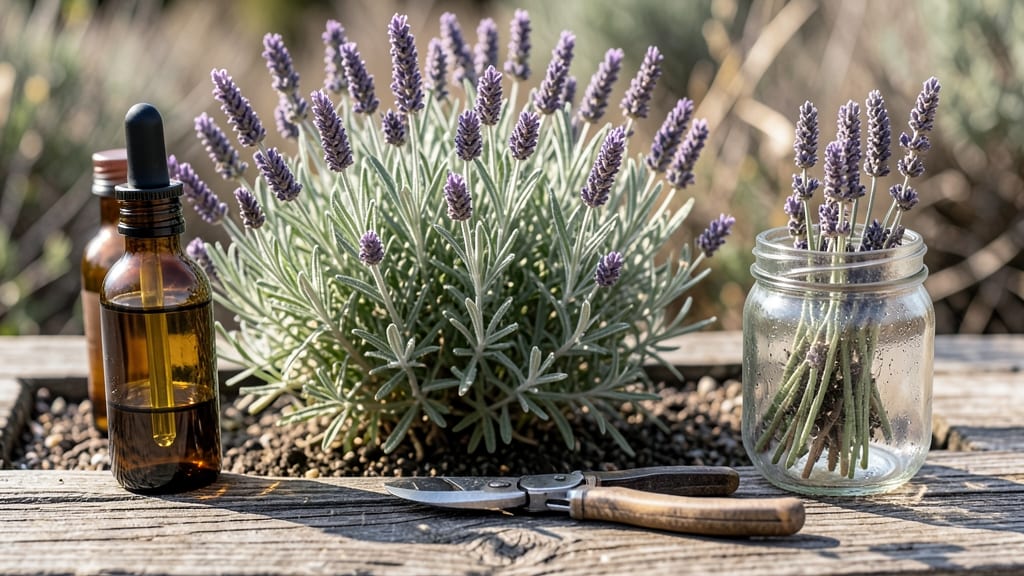
Lavender tincture transforms fragrant buds into a versatile remedy. ✨ I’ve made mine for years—calming for stress, soothing for skin, and surprisingly simple when you know the tricks. The key? Fresh, pesticide-free lavender and the right solvent to preserve its magic.
You’ll need just three things: mature lavender flowers (harvested at peak bloom), high-proof alcohol or oil (vodka or olive oil work best), and a clean glass jar. Organic lavender is a must—pesticides ruin the process. For alcohol-based tinctures, aim for at least 160-proof to extract the full benefits without spoiling.
In three easy steps, you’ll create a tincture that lasts for years. Steep the lavender in your solvent for 4-6 weeks, strain it carefully, and bottle it in dark glass to protect from light.
The result? A golden liquid with lavender’s signature scent and potent properties for relaxation or skincare.
This method works for beginners—no fancy equipment needed. Just follow the ratio (1:5 lavender to solvent) and store it properly. Use it in teas, diffusers, or even homemade salves. Here’s how to do it right the first time.
📚 In This Guide
- What you need
- Instructions
- Tips and common mistakes
- Wrapping up and next steps
What you need
- ● Fresh or dried lavender buds: 1 cup (about 30-40 grams for fresh, 20-30 grams for dried)
- ● Tip: Opt for organic lavender to avoid pesticides or chemicals. 🌸
- ● High-proof alcohol (vodka or everclear): 1 cup (8 oz or 240 mL) of 80-proof or higher alcohol
- ● Note: Everclear (190-proof) works best for potency, but vodka (80-proof) is a budget-friendly alternative.
- ● Clean glass jar with lid: 1 quart-sized mason jar (or any airtight container)
- ● Pro Tip: Amber or dark-colored jars help protect the tincture from light degradation. 🌑
- ● Fine-mesh strainer or cheesecloth: 1 strainer or 2-3 layers of cheesecloth for filtering
- ● Glass dropper or funnel: 1 dropper (for easy dosing) or a small funnel (for transferring liquid)
- ● Mortar and pestle: For crushing dried lavender buds to release more oils.
- ● Label and marker: To label your tincture with the date and contents.
- ● Dark glass dropper bottles: For storing the finished tincture (4 oz or 120 mL size works well).
- ● Scale (gram or ounce): For precise measurements if you're scaling up.
Step-by-Step instructions for making lavender tincture
Here's the straightforward method I've used for years to create a potent lavender tincture.
🌿 Step 1: Harvest and Prepare Fresh Lavender
Gather 1 cup of fresh lavender buds at peak bloom when the flowers are fully open but before they start wilting. The ideal time is mid-morning after the dew has dried but before the afternoon heat sets in. You'll want to avoid any flowers that show signs of wilting or pest damage—these can introduce bitterness or mold risks to your tincture.
Gently strip the buds from the stems by hand, removing any green stems or leaves. These parts contain higher concentrations of tannins that can make your tincture overly bitter. Place the buds in a clean glass jar and give them a light shake to ensure they're evenly distributed. The goal is to maximize surface area for extraction, so don't pack them tightly—leave about ½ inch of space at the top of the jar.
💧 Step 2: Choose and Pour the Solvent
For lavender tinctures, I always use 1 cup of high-proof vodka (190 proof or higher) as the solvent. The high alcohol content ensures effective extraction of both volatile oils and water-soluble compounds. Lower-proof alcohols simply won't penetrate the lavender's cellular structure properly, resulting in a weak tincture.
Pour the vodka over the lavender buds until they're completely submerged. Seal the jar tightly and give it a gentle swirl to help the alcohol penetrate the plant material immediately. Place the jar in a cool, dark location—like a cabinet or pantry—where it will remain undisturbed for 4-6 weeks. This waiting period allows the alcohol to fully extract the lavender's beneficial compounds.
⏰ Step 3: Strain and Store Your Finished Tincture
After 4-6 weeks, check your tincture for a deep purple color and rich floral aroma. If the liquid appears cloudy or has sediment at the bottom, strain it through a fine-mesh sieve or cheesecloth into a clean glass bottle. The lavender buds should be completely spent and colorless at this point—if they still have vibrant color, let the tincture steep for another week or two.
Store your finished tincture in a dark glass bottle in a cool, dark place. The tincture will keep indefinitely, though the potency may gradually diminish over time. For best results, use it within 1-2 years. You'll notice the aroma intensifies when you first open the bottle—that's your confirmation the extraction worked perfectly.
Tips & tricks for perfect herbal lavender extraction
Between us, these little details make all the difference when crafting a potent lavender tincture that actually delivers on its calming promises.
Harvest Timing: The mid-morning window mentioned in Step 1 is non-negotiable for quality. Dew-free flowers prevent mold, while avoiding afternoon heat preserves volatile oils. I've learned the hard way—wilting buds release bitter tannins that ruin the delicate floral profile. If you must harvest later, choose buds from shaded plants that stay cooler longer.
Solvent Selection: Never compromise on the vodka's proof—190 proof is the absolute minimum for proper extraction. I've tried 80-proof vodka once (don't ask why), and the resulting tincture was barely purple and tasted like weak tea. For even better extraction, consider adding a splash of vegetable glycerin (about 1 teaspoon per cup of vodka) to capture water-soluble compounds the alcohol might miss.
Storage Wisdom: That 4-6 week steeping time is your friend, but consistency matters more than the exact number. I've had tinctures ready in 3 weeks when using very fresh, vibrant buds, and others needing 8 weeks with slightly older flowers. The key is to check weekly—when the lavender loses its color and the liquid turns deep purple, you're golden. This visual cue is more reliable than any calendar date.
Pro Tips for Make Lavender Tincture
- Between us, these little details make all the difference when crafting a potent lavender tincture that actually deliv...
- Harvest Timing: The mid-morning window mentioned in Step 1 is non-negotiable for quality. Dew-free flowers prevent mo...
- Solvent Selection: Never compromise on the vodka's proof—190 proof is the absolute minimum for proper extraction. I'v...
Frequently asked questions
Got questions about making lavender tincture? You’re not alone! Here are answers to the most common queries to help you craft the perfect herbal remedy at home.
How long does it take for the lavender tincture to be ready?
A lavender tincture typically needs 4–6 weeks to fully infuse, though it can be used sooner if the flavor and color are strong. For best potency, patience is key—shake the jar daily and taste-test after 2 weeks (if you dare!). Store it in a cool, dark place to preserve its benefits.
Can I speed up the infusion process?
While you can’t rush the magic of alcohol extraction, you can shorten the process slightly by using a higher-proof alcohol (like 190-proof grain alcohol) or gently warming the jar in a sunny spot (never above 120°F to avoid degrading the lavender). However, this may reduce some of the delicate compounds—so 4–6 weeks is ideal for full potency.
What can I use if I don’t have rubbing alcohol or vodka?
No alcohol? No problem! You can use apple cider vinegar (for a non-alcoholic tincture) or olive oil (for a lavender-infused oil). Vinegar works well for topical uses, while oil is great for massage blends. Just steep the lavender for 2–4 weeks and strain—simpler but still effective!
Why is my tincture cloudy or moldy?
Cloudiness is normal if you’re using fresh lavender, but mold is a red flag—toss it immediately! To prevent spoilage, ensure your jar and tools are sterilized, use clean, dry lavender, and store the tincture in a sealed glass container. If mold appears, it likely means moisture got in—keep everything dry and airtight next time!
How do I know if my tincture is too strong or too weak?
Strength depends on the alcohol-to-lavender ratio and infusion time. A deep purple color and intense floral aroma mean it’s potent. If it’s pale or lacks scent, extend the infusion time or use more lavender. For dosage, start with 1–2 droppers (0.5–1 mL) per day and adjust based on your needs—when in doubt, less is more!
Wrapping up and next steps
Making your own lavender tincture is a rewarding way to harness nature’s calming power—right in your kitchen! With just a few simple steps, you’ve unlocked a versatile remedy for relaxation, skincare, or even stress relief.
Now that you’re equipped with the know-how, why not experiment with flavors (like adding citrus zest) or explore other herbal tinctures, such as chamomile or peppermint?
💡 Pro tip: Share your creations with friends or gift them as thoughtful, handmade wellness treats! The world of herbalism is your oyster—happy extracting! 🌿✨