
Flowers
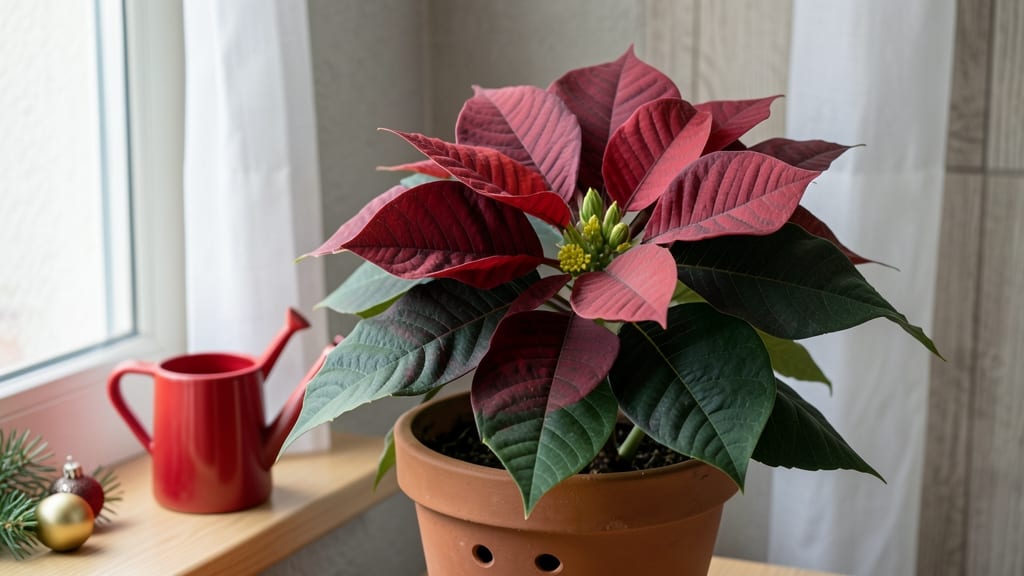
Poinsettias don’t just belong in December—how to make a poinsettia flower year-round is easier than you think. 🌟 I’ve coaxed vibrant red bracts from mine in February, and it’s all about light, timing, and a little patience.
Most people assume these plants are one-season wonders, but with a few key adjustments, you’ll have lush foliage and striking flowers whenever you want.
The secret weapon is 14 hours of darkness every night for six weeks straight—no kidding. Your poinsettia needs this "short-day" treatment to set buds, and it’s easier than it sounds.
Combine that with bright, indirect light during the day, and you’re halfway there. Even beginners can nail this with a simple timer and a well-lit windowsill.
By summer, you’ll see those iconic red (or white, pink, or yellow) bracts emerge, and they’ll last for weeks. The plants grow surprisingly fast too—6-12 inches tall—with glossy leaves that add year-round interest.
The best part? They’re not fussy about soil or watering once you get the basics down.
Works indoors or outdoors (in warm climates), and troubleshooting common issues like bud drop is simpler than you’d think. Let’s get those poinsettias blooming on schedule—no holiday decorations required!
📚 In This Guide
- What you need
- Instructions
- Tips and common mistakes
- Wrapping up and next steps
What you need
- ● Poinsettia plant: 1 live plant (from a nursery, garden center, or online retailer)
- ● OR 1-2 poinsettia cuttings (6-inch stems with leaves)
- ● OR poinsettia seeds (if propagating from scratch)
- ● Well-draining potting mix: 1 bag (5-10 gallons) of peat-based or cactus/succulent mix (or blend with perlite for extra drainage)
- ● Containers: 1-2 6-8 inch pots (with drainage holes) for seedlings/cuttings
- ● 1 12-16 inch pot (for mature plants)
- ● Fertilizer: Balanced 10-10-10 liquid fertilizer or slow-release granular fertilizer (follow package instructions)
- ● Pruning shears: 1 pair (clean, sharp scissors or pruners)
- ○ Rooting hormone (optional): 1 small bottle (for cuttings)
- ● Spray bottle: 1 (for misting leaves)
- ● Grow lights or sunny windowsill: Access to 6+ hours of bright, indirect light daily
- ● Humidity tray (pebble tray + water) to boost moisture
- ● Plant labels (to track varieties or care notes)
- ● Mulch (for outdoor overwintering in warm climates)
- ● Plant food (like fish emulsion for a nutrient boost)
- ● Garden gloves (to protect hands from sap)
Step-by-Step instructions for encouraging poinsettia blooms year-round
Here's how to coax vibrant poinsettia blooms beyond the holidays with just a few key adjustments.
🌱 Step 1: Select a Healthy Poinsettia Plant
Choose a mature poinsettia with dark green, glossy leaves and no signs of yellowing or brown edges. I look for plants with at least 5-6 mature leaves—these have the energy reserves to flower again. Avoid plants with flower buds already forming unless you want a second bloom cycle that year.
Check the soil is slightly damp but not soggy. If the pot feels light, water it thoroughly before bringing it home. The goal is a plant that's already established but not stressed. A healthy plant is your best bet for successful reblooming.
☀️ Step 2: Provide Consistent Light and Temperature
Place your poinsettia in a location with bright, indirect light for at least 12 hours daily. A south or west-facing window works well, but avoid harsh afternoon sun that can scorch the leaves. If natural light is insufficient, supplement with a grow light placed 12-18 inches away.
Maintain temperatures between 65-75°F during the day and 55-60°F at night. Poinsettias are sensitive to temperature fluctuations—drafts from doors or windows can stress the plant and prevent blooming. If your home runs cooler, a heat mat can help maintain root zone warmth.
💧 Step 3: Water and Fertilize for Optimal Growth
Water when the top inch of soil feels dry, using room-temperature water to avoid shocking the roots. I like to water from the bottom by placing the pot in a saucer of water for 10-15 minutes—this encourages even moisture uptake. Empty any excess water after 15 minutes to prevent root rot.
Feed with a balanced, water-soluble fertilizer (10-10-10 or 20-20-20) every 2-4 weeks during the growing season. Reduce fertilization in winter when growth slows. Over-fertilizing can lead to salt buildup in the soil, which stresses the plant and inhibits flowering.
⏰ Step 4: Create a Strict Light Schedule for Flowering
To trigger blooming, poinsettias need 14 hours of darkness daily for 5-6 weeks starting in early October. Use a dark box, blanket, or even a closet to cover the plant completely from 5 PM to 9 AM. Even a tiny bit of light can disrupt the process—no peeking!
During this time, keep daytime light consistent. If you're using artificial light, maintain the same intensity and duration. After 5-6 weeks of this strict schedule, you'll see flower buds forming. This is the critical step—skipping it means your poinsettia will revert to its natural summer growth cycle and produce leaves instead of flowers.
🌿 Step 5: Maintain Care During and After Blooming
Once flowers appear, continue providing bright light and consistent watering. Deadhead spent blooms by cutting stems back to the first leaf below the flower cluster. This encourages new growth and prolongs the flowering period. I also rotate the pot a quarter turn weekly to ensure even light exposure and prevent lopsided growth.
After the blooms fade, prune the plant back by one-third to encourage bushier growth. Fertilize lightly in spring to support new foliage. With proper care, your poinsettia can rebloom year after year, becoming a reliable centerpiece for any season.
Tips & tricks for encouraging poinsettia blooms year-round
These small adjustments make all the difference between a seasonal decoration and a plant that keeps giving you color.
Plant Selection: I can't stress enough how critical Step 1 is—those 5-6 mature leaves aren't just about aesthetics. Each leaf represents stored energy that your poinsettia will use to produce flowers. Look for plants with firm stems too; they're less likely to wilt during the strict darkness period in Step 4. Yellowing or brown edges mean the plant is already stressed and may never rebloom.
Lighting Strategy: The 12 hours of bright, indirect light in Step 2 is non-negotiable, but here's what nobody tells you—your poinsettia needs consistent light placement. If you move it frequently, the plant will grow lopsided trying to reach the light source. I place mine near my kitchen window where it gets morning sun and afternoon shade, then supplement with a grow light if needed.
Temperature Consistency: Those temperature ranges (65-75°F during the day, 55-60°F at night) might seem strict, but poinsettias are tropical plants that thrive in stable conditions. I've learned the hard way that even a single night near a drafty window can cause buds to drop. Consider using a small space heater near the plant during winter nights if your home runs cooler than 55°F.
Darkness Discipline: The 14 hours of complete darkness in Step 4 is where most people fail. Even a nightlight or streetlamp can ruin your efforts. I use a dark box with a timer to automate the process—set it for 5 PM to 9 AM and forget about it. If you're tempted to peek, remember: one tiny light exposure can reset your entire 5-6 week schedule.
Pro Tips for Make Poinsettia Flower
- These small adjustments make all the difference between a seasonal decoration and a plant that keeps giving you color.
- Plant Selection: I can't stress enough how critical Step 1 is—those 5-6 mature leaves aren't just about aesthetics. E...
- Lighting Strategy: The 12 hours of bright, indirect light in Step 2 is non-negotiable, but here's what nobody tells y...
Frequently asked questions
Got questions about growing your own poinsettias? You’re not alone! Here are some of the most common concerns—and their answers—to help you keep those vibrant blooms thriving all year.
Can poinsettias bloom more than once a year?
Yes! With the right care, poinsettias can rebloom annually. The key is maintaining a 12-hour night cycle (total darkness) for 6–8 weeks in late summer/early fall. Use a dark box or move them to a closet during this period. Consistency is everything—skip this step, and you’ll likely lose the second bloom.
How long does it take for poinsettias to flower after planting?
Poinsettias grown from cuttings or seeds take 6–8 months to flower, while store-bought plants (brought home in fall) may rebloom in 10–12 weeks if you follow the light/dark cycle. Patience is key—rush the process, and you might end up with leggy stems or no flowers at all!
Why are my poinsettia leaves turning yellow or dropping?
Yellow leaves or leaf drop usually signal overwatering or underwatering. Let the top inch of soil dry out between waterings, and ensure the pot has drainage holes. Avoid soggy roots! Other culprits: low humidity (mist leaves occasionally) or nutrient deficiency (fertilize lightly every 4–6 weeks in spring/summer).
Can I grow poinsettias indoors year-round?
Poinsettias thrive indoors with bright, indirect light (east/west-facing windows are ideal). Keep temps between 65–75°F and avoid cold drafts. Rotate the plant weekly for even growth. Just remember: they’re toxic to pets, so keep them out of reach of curious cats and dogs.
What’s the easiest way to propagate poinsettias?
Use stem cuttings in early spring! Snip a 4–6 inch section just below a leaf node, remove lower leaves, and dip the cut end in rooting hormone. Plant in moist potting mix, cover with a plastic bag (to retain humidity), and place in bright, indirect light. Roots should form in 3–4 weeks—then pot up!
Wrapping up and next steps
Growing your own poinsettia is easier than you think—and the reward of vibrant, festive blooms year-round is totally worth it! 🌸 With just a few simple steps, proper lighting, and a little patience, you can enjoy these stunning flowers long after the holidays.
Whether you're a beginner or a seasoned plant parent, this guide makes it simple to nurture your poinsettia into a thriving centerpiece.
Ready to take the next step? Pick your favorite variety, gather your supplies, and start your poinsettia journey today—your home (and Instagram feed) will thank you! 😊