
How To
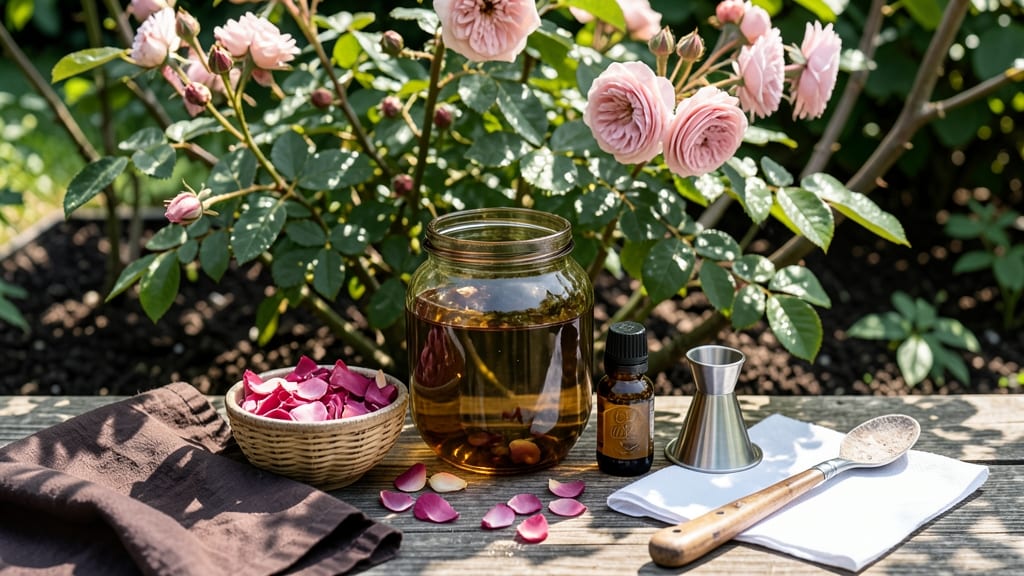
Your garden roses can become liquid gold. ✨ Making rose oil from petals transforms fragrant blooms into a luxurious, long-lasting scent—no solvents or fancy equipment needed. The secret starts with healthy roses grown in full sun, harvested just after dawn when petals are at their peak.
Fresh petals make all the difference. Skip wilted blooms or those sprayed with chemicals—they dull the final oil. Instead, pick organic roses with vibrant colors, then gently layer them in a glass jar with a neutral oil like jojoba or sweet almond.
Let them steep in sunlight for 2 hours, stirring occasionally. By the end, you'll have a golden-hued oil that smells like a spring morning. Store it in a cool, dark place for up to 6 months, and use it in perfumes, skincare, or as a room spray.
The process is simple, but the results feel like a spa day for your senses. This method works with any rose variety—hybrids, climbers, or old garden roses. Just ensure they're pesticide-free and freshly picked. Ready to turn your garden into a fragrant treasure trove?
📚 In This Guide
- What you need
- Instructions
- Tips and common mistakes
- Wrapping up and next steps
What you need
- ● Fresh or dried rose petals: 1 cup (about 10–12 grams when dried, or 3–4 cups fresh). Note: Use organic, pesticide-free petals for the best results!
- ● Carrier oil: 1 cup (240 mL) of a high-quality, odorless oil like sweet almond, jojoba, or grapeseed oil. Avoid coconut oil—it solidifies at room temperature!
- ● Clean glass jar: A wide-mouth, airtight jar (like a mason jar) with a capacity of at least 16 oz (475 mL). Pro tip: A dark or amber jar helps preserve the oil’s potency!
- ● Fine-mesh strainer or cheesecloth: For filtering out petals after infusion.
- ● Small funnel: To avoid spills when transferring oil.
- ○ Dark glass dropper bottles: For storing your finished rose oil (optional but recommended to protect from light).
- ● A food dehydrator or oven (set to 200°F/93°C) to dry petals if using fresh ones.
- ○ Essential oil (optional): 2–3 drops of rose essential oil to boost fragrance (only if you want extra potency!).
- ● Labeling supplies: To mark your jar with the date and contents.
- ● Double boiler or slow cooker: For gentle heating (if you prefer a faster infusion method).
Step-by-Step instructions for making rose oil from petals
Here's the simple method I've used to create rich, fragrant rose oil at home—no fancy equipment needed.
🌿 Step 1: Gather and Prepare Fresh Rose Petals
Collect 1 cup of fresh, organic rose petals from healthy roses—avoid sprayed blooms. The petals should be fully opened but not wilted. I like to pick them in the early morning when the oils are most potent. Gently rinse the petals in cool water to remove any dirt or debris, then pat them completely dry with a clean towel.
Remove stems and any green sepals—they can make the oil bitter. Spread the petals on a clean kitchen towel or paper towel in a single layer and let them air-dry for 10-15 minutes. This ensures they're bone-dry before infusion, which prevents mold and maximizes oil absorption. If you're short on time, you can use a salad spinner to speed up the drying process.
💧 Step 2: Choose and Prepare Your Carrier Oil
Select a high-quality carrier oil like sweet almond, jojoba, or grapeseed oil—all work well for rose oil infusion. Jojoba oil is my favorite because it closely mimics the skin's natural oils and has a long shelf life. Measure out ½ cup of carrier oil for every 1 cup of petals—this ratio ensures the petals are fully submerged without making the oil too weak.
Warm the oil slightly by placing the bottle in a bowl of warm (not hot) water for 5-10 minutes. This opens the pores of the petals, allowing the oil to penetrate more effectively. Never heat the oil above 100°F—high heat can destroy the delicate rose fragrance and damage the oil's properties.
☀️ Step 3: Infuse the Petals in Oil
Place the dried rose petals in a clean, glass jar with a tight-sealing lid—mason jars work perfectly. Pour the warmed carrier oil over the petals until they're completely covered. Tap the jar gently on the counter to release any air bubbles trapped between the petals. Seal the jar tightly and place it in a cool, dark place (like a pantry or cupboard) for 2 hours.
After 2 hours, check the jar—you'll see the petals have released their vibrant color and fragrance into the oil. Gently stir the mixture once or twice daily for the next 3-5 days to ensure even infusion. The longer you let it sit, the stronger the scent becomes, but 5 days maximum is ideal to prevent rancidity.
✂️ Step 4: Strain and Store Your Finished Oil
After infusion, carefully strain the oil through a fine-mesh sieve or cheesecloth into a clean glass bottle. Press the petals gently to extract every last drop of oil—don't squeeze too hard, or you'll risk emulsifying the oil with water. Discard the used petals or compost them. The resulting oil should be a beautiful pinkish hue with a rich, intoxicating rose scent.
Store the finished rose oil in a dark glass bottle (amber or cobalt) to protect it from light, which can degrade the fragrance. Keep it in a cool, dry place, and it will last for 6-12 months. For best results, use it within 3 months for the most potent aroma. Once opened, the oil will keep for 3-6 months if stored properly.
Tips & tricks for perfect rose oil infusion
Making rose oil at home is simpler than you think—these little details make all the difference between a fragrant success and a disappointing attempt.
Petal Selection Matters: The quality of your petals directly impacts the final oil. Choose roses that are fully bloomed but not wilted, and avoid any that have been sprayed with pesticides or chemicals. I've found that darker rose varieties like burgundy or deep pink tend to produce a more intense fragrance. If you're using store-bought petals, check they're labeled as organic or pesticide-free—this is non-negotiable for a potent infusion. The 10-15 minutes of air-drying in Step 1 is crucial: any moisture left on the petals can cause mold during the infusion process, ruining your entire batch.
Oil Temperature Control: When warming your carrier oil for 5-10 minutes in Step 2, never let it exceed 100°F. I use a kitchen thermometer to monitor this because even slightly higher temperatures can destroy the delicate rose compounds. A good trick is to place the oil bottle in a bowl of warm water that's no hotter than body temperature—this gentle warmth is all you need to open the petals' pores without damaging the oil. Jojoba oil holds its heat particularly well, which is why it's my top recommendation for this process.
Infusion Timing Strategy: The 2-hour initial infusion period in Step 3 might seem short, but it's perfect for extracting the vibrant color and initial fragrance. After this, the daily stirring becomes your secret weapon—each gentle stir redistributes the oil and ensures even infusion. I like to stir in the morning and evening, but even once daily will work. The key is consistency: those 3-5 days of stirring create the rich, complex aroma that makes homemade rose oil worth the effort. If you're short on time, you can extend to 5 days for an even stronger scent, but don't go beyond that or you risk rancidity.
Straining Technique: When it comes time to strain your infused oil in Step 4, use a fine-mesh sieve lined with multiple layers of cheesecloth for the cleanest results. Press the petals gently but firmly to extract every last drop—this is where you'll get the most fragrance. I've learned the hard way that squeezing too hard can actually emulsify water from the petals into your oil, which can cause separation later. The finished oil should be a beautiful pink hue with no visible particles. If you notice any cloudiness after straining, it's a sign you may have introduced too much moisture during the process.
Pro Tips for Make Rose Oil From Rose Petals
- Making rose oil at home is simpler than you think—these little details make all the difference between a fragrant suc...
- Petal Selection Matters: The quality of your petals directly impacts the final oil. Choose roses that are fully bloom...
- Oil Temperature Control: When warming your carrier oil for 5-10 minutes in Step 2, never let it exceed 100°F. I use a...
Frequently asked questions
Got questions about crafting your own rose oil? You’re not alone! Here are some of the most common queries—and their answers—to help you infuse like a pro.
Can I use dried rose petals instead of fresh ones?
Yes! Dried petals work just fine, but they’ll yield a milder scent and oil. Soak them in the carrier oil for 24–48 hours to maximize absorption. For stronger results, use organic, pesticide-free dried petals—avoid artificial dyes or perfumes.
How long does it take for the rose oil to be ready?
The infusion process takes 2–3 hours on the stovetop (low heat) or 24–72 hours if left at room temperature. For deeper color and aroma, extend to 5–7 days in a cool, dark place. Patience pays off for a richer oil!
What if my oil smells weak or has no color?
Weak scent or pale oil usually means the petals weren’t fully infused. Try these fixes:
- Increase petal quantity (double or triple the amount).
- Extend infusion time (try 7+ days).
- Use a stronger carrier oil like jojoba or grapeseed.
- Avoid high heat—gentle warmth works best.
Can I reuse the carrier oil after straining?
No, don’t reuse it! Once strained, the oil has absorbed all the rose’s beneficial compounds. However, you can save the leftover petals for tea, potpourri, or even a second (weaker) infusion in fresh oil if you’re feeling experimental.
Is homemade rose oil safe for skin?
Generally yes, but patch test first! Rose oil is gentle for most skin types, but some may experience irritation. If using it for aromatherapy, dilute with a carrier oil (like almond or coconut) before applying. Avoid broken or sensitive skin.
What’s the best carrier oil for rose oil?
Light, odorless oils work best:
- Sweet almond oil (gentle, absorbs well)
- Jojoba oil (long shelf life, mimics skin’s natural oils)
- Grapeseed oil (light, affordable)
- Sunflower oil (neutral, hypoallergenic)
Wrapping up and next steps
You’ve now unlocked the secret to crafting your own luxurious rose oil—a fragrant, skin-loving elixir made from the heart of nature! With just a few simple steps and a little patience, you’ve transformed delicate petals into a homemade treasure that’s perfect for skincare, aromatherapy, or gifting. 🌹✨
Ready to elevate your DIY routine? Try experimenting with different carrier oils or blending your rose oil with other botanicals—like lavender or chamomile—to create a signature scent. Your homemade beauty ritual awaits!