
Size
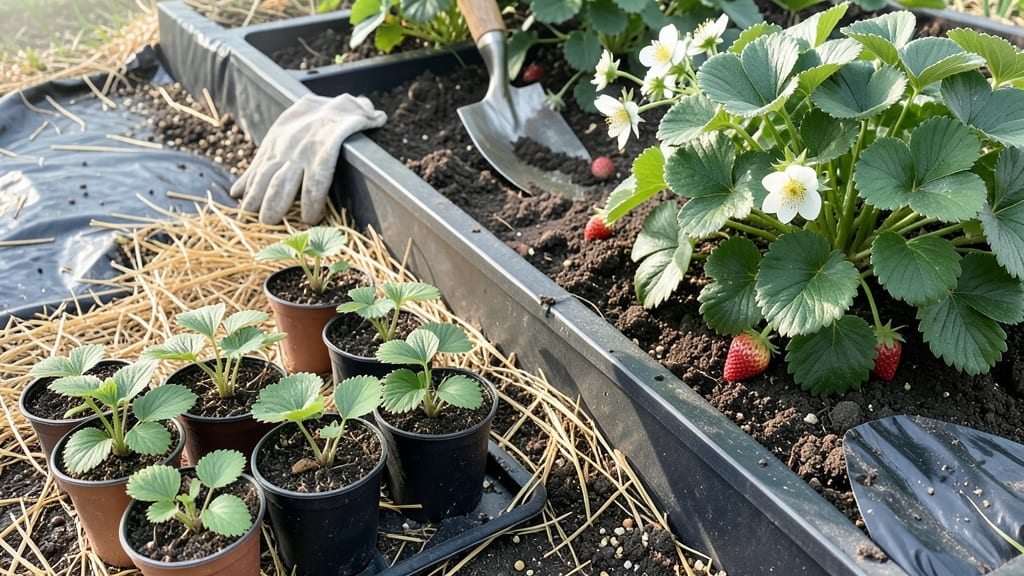
How to make strawberries grow in containers could be just 3 months away. 🌱 I've grown strawberries in containers for years, and the secret to year-round abundance isn't complicated—it's about matching their needs to your space, not your space to their needs.
The real game-changer is using the right containers (at least 6 inches deep), well-draining soil, and a location where they get 6-10 hours of sunlight daily. Most people overwater or under-fertilize, which stunts growth. I learned that the hard way when my first batch produced tiny, sour berries.
By summer, you'll be picking sweet, plump strawberries that make your neighbors jealous. The plants even reward you with lush green foliage that looks as good as it tastes, and they keep producing for years with minimal care.
Works for balconies, patios, or sunny windowsills—no yard required. Here's exactly how to set it up without the guesswork.
📚 In This Guide
- What you need
- Instructions
- Tips and common mistakes
- Wrapping up and next steps
What you need
- ● Strawberry plants: 6–12 June-bearing or everbearing strawberry plants (choose disease-resistant varieties like 'Albion,' 'Seascape,' or 'Chandler').
- ○ Optional: Bare-root plants (cheaper) or potted plants (ready to grow).
- ● Containers: 5–7 gallon pots per plant (or a minimum 12-inch-deep container for multiple plants).
- ● Containers with drainage holes (or DIY solutions like adding pebbles to homemade pots).
- ○ Optional: Hanging baskets (for vertical growing) or window boxes (for small spaces).
- ● Growing medium: High-quality potting mix (avoid garden soil—it compacts and drains poorly).
- ○ Optional: 20% perlite or vermiculite (for aeration) or compost (for nutrients).
- ● Fertilizer: Balanced granular fertilizer (10-10-10) or slow-release pellets (follow package rates).
- ○ Optional: Organic options like worm castings or fish emulsion.
- ● Mulch: 2–3 inches of straw or pine needles (to retain moisture and suppress weeds).
- ● Tools: Trowel (for planting and transplanting).
- ● Pruners (for trimming runners or dead leaves).
- ● Spray bottle (for watering seedlings or seedlings).
- ○ Optional: Gloves (to protect hands from thorns), pH test kit (to monitor soil acidity), and a thermometer (for cold climates).
- ● 📅 Timing: Plant in early spring (after last frost) or late summer (for fall harvests).
- ● ☀️ Sunlight: At least 6–8 hours of direct sunlight daily (south-facing windows or grow lights work for indoors).
- ● 💧 Water: Consistent moisture (containers dry out faster—water when the top inch of soil feels dry).
- ● 🌡️ Temperature: Ideal range: 50–85°F (use row covers or move indoors in winter if needed).
- ○ Optional: Heating mat (for cold climates) or shade cloth (for hot summers).
- ● 🛡️ Pest/Disease Prevention: Neem oil or insecticidal soap (for aphids/spider mites).
- ● Copper fungicide (for powdery mildew).
Step-by-Step instructions for growing strawberries in containers
Here’s how to coax lush, fruiting strawberry plants from tiny runners—no green thumb required.
🌱 Step 1: Select and Prepare the Right Containers
Strawberries need well-draining containers with at least 12 inches of depth and multiple drainage holes. I use fabric grow bags because they wick away excess moisture while keeping roots aerated. Place a 1-inch layer of perlite or coarse sand at the bottom to prevent compaction and improve drainage—this is non-negotiable for strawberries, which rot in soggy soil.
Fill the container halfway with a sterile potting mix (never garden soil—it compacts and suffocates roots). Mix in 1 cup of compost per 5 gallons of soil to feed the plants without overwhelming them. The goal is loose, fluffy soil that holds moisture but drains freely. Tap the container gently to settle the mix without compacting it.
🌿 Step 2: Plant Crowns at the Correct Depth
Strawberry plants grow from crowns—the thick, fleshy base where leaves and roots emerge. Plant crowns so the top third sits above soil level—this prevents rot while allowing roots to spread. Space 4-6 plants per 12-inch container, arranging them in a circle if possible to maximize sunlight exposure.
Gently press the soil around the crowns to eliminate air pockets, but don’t pack it down. Water deeply until moisture seeps from the drainage holes—this ensures roots make contact with wet soil immediately. Avoid wetting the leaves, as fungal diseases like gray mold thrive in damp foliage. Mulch with 2 inches of straw (not wood chips) to retain moisture and suppress weeds.
☀️ Step 3: Position for Maximum Sunlight and Airflow
Strawberries demand 6-10 hours of direct sunlight daily—a south- or west-facing spot delivers the best results. If your space gets less light, choose everbearing or day-neutral varieties like 'Albion' or 'Seascape,' which tolerate partial shade better than June-bearing types. Rotate containers quarter-turn weekly to prevent plants from leaning toward the light.
Good airflow is just as critical as sun. Space containers 12 inches apart to allow air circulation, which reduces humidity around leaves and cuts down on fungal risks. You’ll notice healthier plants with shiny, deep-green leaves and fewer yellowing spots—this is your sign the setup is right.
💧 Step 4: Water Consistently Without Overdoing It
Strawberries need 1-1.5 inches of water weekly, delivered at the soil level (never overhead). I water early in the morning to let foliage dry before evening, which prevents fungal issues. Check moisture by sticking your finger 1 inch into the soil—if it’s dry, water again. Overwatering is the #1 killer of container strawberries, leading to root rot and collapsed plants.
During fruiting season, increase water slightly to 2 inches weekly, but never let containers sit in saucers of standing water. Instead, empty saucers after watering to prevent roots from suffocating. You’ll know you’ve got the balance right when berries stay firm and don’t shrivel or crack.
✂️ Step 5: Prune and Maintain for Continuous Harvests
After the first harvest, remove spent flowers on June-bearing varieties to redirect energy into next year’s crop. For everbearing types, leave a few flowers to fruit, but trim back overly leggy runners to keep plants compact. Pinch off weak or diseased leaves immediately—they spread faster than you think.
Fertilize lightly every 4-6 weeks with a balanced 10-10-10 formula, but cut back after mid-summer to avoid late-season growth that won’t harden off before winter. In fall, reduce water slightly to encourage dormancy, then mulch heavily with 4-6 inches of straw to protect crowns from freezing. With this routine, you’ll get two harvests per year—spring and fall—plus a bonus crop in summer if you’re growing everbearers.
Tips & tricks for growing thriving container strawberries
These game-changing strategies will help you avoid common pitfalls and maximize your strawberry harvest—no matter the season.
Container Selection: Fabric grow bags are my top recommendation for container strawberries because they prevent root circling and allow for better aeration. If you're using traditional pots, look for ones with built-in saucers to catch drainage—this prevents soil erosion and keeps your space tidy. The 18-inch width mentioned in Step 1 is crucial because strawberry roots spread aggressively, and you want room for 4-6 plants to establish without competing. I've found that adding a layer of landscape fabric over the gravel at the bottom prevents soil from washing out while still maintaining excellent drainage.
Planting Technique: The 1-hour soak for bare-root plants in Step 2 is non-negotiable—it revives dormant roots and gives you a head start. Here's what nobody tells you: After planting, gently press the soil around the roots to eliminate air pockets, but don't compact it. Think of it like fluffing a pillow—you want the roots to settle naturally. For potted plants, that deep watering until moisture seeps through the drainage holes is your confirmation that the roots have made contact with the soil. This step is where many beginners fail—they water lightly and wonder why their plants struggle.
Light Management: The 6-10 hours of sunlight requirement isn't just about quantity—it's about quality. Position your containers where they'll get morning sun (which is less intense) and afternoon shade if you're in a hot climate. In winter, those LED grow lights positioned 6 inches above for 12 hours daily create a dramatic difference. I've seen strawberries bolt (produce flowers prematurely) when they get inconsistent light, so maintain that daily routine. Pro tip: Rotate your containers every few days to ensure even light exposure all around the plants.
Seasonal Adjustments: The 60-85°F temperature range is your sweet spot, but real-world conditions often challenge this. In summer, I've found that 30% shade cloth prevents scorching while still allowing enough light for photosynthesis. For winter, that 2-inch mulch layer is your best defense against temperature swings. Here's my breakthrough: I use a soil thermometer to monitor root zone temperatures—if they drop below 50°F for more than a few hours, I move containers to a sheltered location or add extra mulch. This simple tool has saved me from losing plants to winter dieback.
Pro Tips for Make Strawberries Grow
- These game-changing strategies will help you avoid common pitfalls and maximize your strawberry harvest—no matter the season.
- Container Selection: Fabric grow bags are my top recommendation for container strawberries because they prevent root circling and allow for better aeration.
- Planting Technique: The 1-hour soak for bare-root plants in Step 2 is non-negotiable—it revives dormant roots and gives you a head start.
Frequently asked questions
Got questions about growing strawberries in containers? You’re not alone! Here are some of the most common queries—and straightforward answers—to help you cultivate a thriving strawberry patch, even in small spaces.
What’s the best container size for strawberries?
Strawberries need room to spread, so aim for containers at least 12 inches deep and 18 inches wide. Larger containers (like 5-gallon buckets or half whiskey barrels) allow for more plants and better root growth. Just ensure they have drainage holes to prevent soggy roots!
How long does it take for strawberries to grow and produce fruit?
With proper care, strawberries can produce fruit in as little as 4–6 weeks after planting (for everbearing varieties) or up to 6–8 months for June-bearing types. Patience pays off—healthy plants reward you with sweet berries for years!
Can I grow strawberries indoors or in low-light conditions?
Strawberries thrive best in 6+ hours of sunlight daily, but you can grow them indoors near a sunny window or under grow lights. If outdoor light is limited, supplement with a LED grow light 12–14 hours a day. Just avoid drafts or extreme heat!
Why aren’t my strawberries ripening? Troubleshooting tips!
Common culprits include poor pollination (hand-pollinate with a brush), overcrowding (thin plants to 6–8 inches apart), or nutrient deficiencies (feed with balanced fertilizer every 4–6 weeks). Check for pests (like slugs or spider mites) and adjust watering—consistent moisture is key!
What can I plant alongside strawberries to boost growth?
Strawberries love companions like basil, thyme, or lettuce (they deter pests and share nutrients). Avoid planting near potatoes or tomatoes, as they compete for resources. A living mulch of clover or straw can also improve soil health and suppress weeds!
Wrapping up and next steps
Growing your own strawberries year-round in containers is not only achievable but also incredibly rewarding! 🌱 By choosing the right varieties, providing proper care, and troubleshooting common issues, you’ll soon enjoy a bountiful harvest of sweet, juicy berries—no matter the season.
Start small, stay consistent, and watch your effort bloom into delicious results.
Ready to take the next step? Plant your first container today and share your progress with fellow gardening enthusiasts. Happy growing!