
Container Gardens
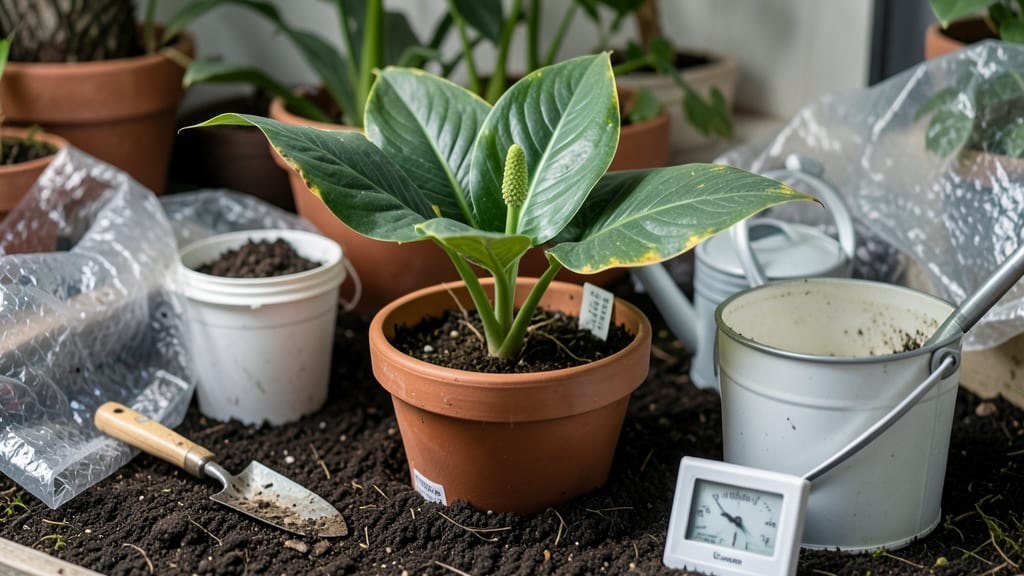
How to overwinter calla lilies in pots can save your plants—and your sanity—when frost rolls in. ✨ The key is timing, protection, and patience. I’ve overwintered mine for three winters now, and they return stronger every spring with those iconic blooms. Start by moving pots to a garage or unheated basement once temps drop below 40°F. They need dormancy, not warmth—just 40-50°F and minimal light. Water sparingly, only enough to keep soil slightly moist, and avoid fertilizing until spring. By late winter, you’ll see new growth signaling it’s time to bring them back outside. The roots stay protected, the rhizomes stay alive, and you avoid the heartbreak of losing a prized plant to frost. Works for zones 7-10, but with extra mulch or insulation, even colder climates can pull this off. Here’s how to do it right—no guesswork, just reliable results.
📚 In This Guide
- What you need
- Instructions
- Tips and common mistakes
- Wrapping up and next steps
What you need
- ○ Calla lily pots: 1–2 containers per plant (12–18" diameter, with drainage holes). Optional: Elevate pots on saucers or feet to prevent waterlogging.
- ● Potting mix: 1 bag (1–2 cubic feet) of well-draining, peat-based mix (amend with perlite or sand if your soil is heavy).
- ● Mulch: 2–3 inches of straw, shredded leaves, or bark mulch per pot.
- ● Frost cloth or bubble wrap: Enough to wrap pots snugly (or use a cold frame if overwintering outdoors).
- ● Garden twine or burlap: For securing frost protection around pots.
- ● Watering can or hose: With a gentle spray nozzle for hydration checks.
- ● Pruners or sharp scissors: For trimming dead foliage (sterilize with rubbing alcohol!).
- ○ Thermometer (optional): To monitor pot temps if using a heated mat or indoor setup.
- ● Location: A sheltered spot (garage, shed, or unheated sunroom) with temps between 35–50°F (2–10°C). Avoid freezing or direct sunlight.
- ● Timing: Move pots to winter quarters before the first hard frost (late fall).
- ● Plant health: Healthy rhizomes (no rot or pests) and minimal foliage (trim back to 3–4" above soil).
Step-by-step instructions for overwintering calla lilies in pots
Here's how to keep your potted calla lilies thriving through winter—no greenhouse needed.
🌱 Step 1: Prepare for Dormancy by Mid-October
When nighttime temperatures drop below 50°F, your calla lilies signal dormancy by yellowing leaves. This is your cue to stop fertilizing and reduce watering to every 7-10 days—just enough to keep the soil slightly moist. I like to move pots to a sheltered spot under a carport or against a north-facing wall where they'll get minimal light but stay dry.
Trim back the foliage to 2-3 inches above the soil with clean pruners. This prevents rot and helps the plant redirect energy to its rhizomes. Don't worry if it looks bare—healthy rhizomes store all the energy needed for next spring. I mark each pot with a plant tag so I remember which varieties I have when regrowth starts.
🪴 Step 2: Move Pots to a Protected Location
Once the ground freezes or temperatures dip below 32°F, transfer pots to a garage, basement, or insulated porch where temperatures stay between 35-45°F. Avoid refrigerators or unheated spaces—calla lilies need consistent coolness, not freezing. I wrap each pot in 2-3 inches of bubble wrap to insulate against temperature swings, especially if your space has drafts.
Place pots on drainage trays to catch any excess moisture. Check soil moisture every 2-3 weeks—overwatering in dormancy causes rhizome rot. The soil should feel dry to touch 1-2 inches down. If you notice mold or musty smells, that's your signal to reduce watering further or improve air circulation.
☀️ Step 3: Monitor and Adjust Through Winter
In late winter (around February), I start checking for new growth. If you see tiny green shoots emerging, it's time to move pots back to bright, indirect light (like an east-facing window). This gradual light exposure prevents shock. I also increase watering to every 5-7 days, keeping the soil evenly moist but not soggy—calla lilies wake up thirsty but hate soggy roots.
Watch for pale stems or yellowing leaves—this usually means too much light or inconsistent moisture. If your space gets too warm (above 55°F), you'll see premature leaf growth, which weakens the plant. Adjust by moving pots farther from heat sources or back to cooler conditions until last frost date when you can move them outside.
⏰ Step 4: Transition Back to Outdoor Conditions
About 4-6 weeks before your last frost date, harden off your calla lilies by placing pots outside in protected, shaded spots for 2-3 hours daily. Gradually increase exposure time and sunlight over 10-14 days. This slow transition prevents sunburn and shock. I also resume fertilizing with a balanced 10-10-10 formula at half strength once new growth reaches 3-4 inches tall—this jumpstarts their spring blooming cycle.
Once all danger of frost has passed, move pots to their permanent sunny location (they need 6+ hours of morning sun). Water deeply to settle the soil, and mulch around the pot with 1-2 inches of straw to retain moisture. You'll see new leaves within 2-3 weeks, and blooms should return by mid-summer—often even more vibrant than the previous year.
Tips & tricks for overwintering calla lilies
Common pitfalls—and how to sidestep every one. Here's what I've learned after keeping my calla lilies alive through multiple winters.
Timing Secret: Watch for those 50°F nighttime temperatures as your first sign of dormancy. This is when you should stop fertilizing completely—continuing to feed can stress the plant and actually prevent it from storing energy in its rhizomes. I've seen calla lilies that were fertilized too late end up with stunted growth the following spring. The key is to act at the first sign of yellowing leaves, not wait until they're completely brown.
Temperature Matters: When moving your pots to a protected location, aim for that 35-45°F range—this is the sweet spot for dormancy. I've had the most success with unheated basements where temperatures stay consistent. If your space gets too warm (above 55°F), you might see premature growth, which weakens the plant. A simple solution is to move pots farther from heat sources or even place them on a bed of ice packs if needed. The bubble wrap insulation is crucial here—it helps maintain that critical temperature range even if your space has drafts.
Moisture Management: The 2-3 week soil moisture check is non-negotiable during dormancy. I've learned this the hard way—overwatering causes rhizome rot, which can kill your plant. The soil should feel dry about 1-2 inches down. If you notice mold or musty smells, that's your plant's SOS signal. At this point, I reduce watering to every 4-6 weeks until signs of new growth appear. A moisture meter is worth the investment if you're unsure about soil moisture levels.
Light Transition: That gradual move back to bright, indirect light in February is crucial for preventing shock. I start with just an hour or two near an east-facing window, then slowly increase exposure. The goal is to let the plant adjust to more light without overwhelming it. If you see pale stems or yellowing leaves, it's a sign the plant is getting too much light too quickly. Remember, calla lilies are tropical plants—they need time to adapt to changing conditions.
Pro Tips for Over Winter Calla Lilies In Pots
- Common pitfalls—and how to sidestep every one.
- Timing Secret: Watch for those 50°F nighttime temperatures as your first sign of dormancy.
- Temperature Matters: When moving your pots to a protected location, aim for that 35-45°F range—this is the sweet spot for dormancy.
Frequently asked questions
Got questions about keeping your calla lilies thriving through winter? You’re not alone! Here are answers to the most common concerns—so you can overwinter with confidence.
Can calla lilies survive winter in pots outdoors?
Short answer:
Only if you’re in a mild winter zone (USDA 8-10). In colder climates, they’ll need protection—like moving them to a garage, shed, or insulated container. Without care, frost will kill the tubers. Pro tip: If you’re unsure about your zone, err on the side of bringing them indoors!
Do I need to dig up calla lilies every year for winter?
Short answer:
Yes, unless you live in a frost-free area. Calla lilies are tropical and won’t tolerate freezing temps. Dig up the tubers (after foliage dies back), trim the leaves, and store them dry in a cool, dark place. Fun fact: This annual process keeps them healthy and blooming for years!
What’s the best way to store calla lily tubers over winter?
Short answer:
Clean the tubers, let them dry for 24 hours, then store them in a breathable container (like a cardboard box with peat moss or vermiculite) in a spot with temps between 45–55°F (7–13°C). Avoid plastic bags—they trap moisture and cause rot. Troubleshooting: If tubers shrivel, they’re too dry; if moldy, they’re too damp.
Can I overwinter calla lilies in pots indoors near a sunny window?
Short answer:
Not ideal! While they’ll survive, they need dormancy to rebloom. Instead, keep them dormant (no water, cool temps) until spring. If you must keep them potted indoors, reduce watering drastically and place them in a dim, cool room (like a basement). Warning: Overwatering = tuber rot.
What if my calla lily tubers rot or mold during storage?
Short answer:
Act fast! Remove any mushy or moldy tubers immediately. Healthy tubers should feel firm and wrinkled (not slimy). Treat the remaining tubers with a fungicide (like neem oil) and store them in a drier environment. Good news: Even if some rot, your other tubers can still sprout next season!
How do I know when it’s safe to replant calla lilies in spring?
Short answer:
Wait until the soil is at least 60°F (15°C) and all frost risk has passed. Soak the tubers in water for 1–2 hours before planting to encourage growth. Plant them 2–3 inches deep in well-draining soil. Timing tip: Early spring is best—don’t rush!
Wrapping up and next steps
Overwintering calla lilies in pots is totally doable—even for beginners! 🌱 With the right prep, you can protect these stunning plants from frost and bring them back to life for another season of vibrant blooms.
Start by choosing a cozy spot, insulating them well, and keeping an eye on moisture and light.
Now that you’re armed with the know-how, give it a try this winter!
Begin by gathering your supplies and inspecting your calla lilies. Your future garden will thank you for the extra care! Ready to grow? Check out our guide on spring revival tips to keep those lilies thriving year after year.