
Blooming
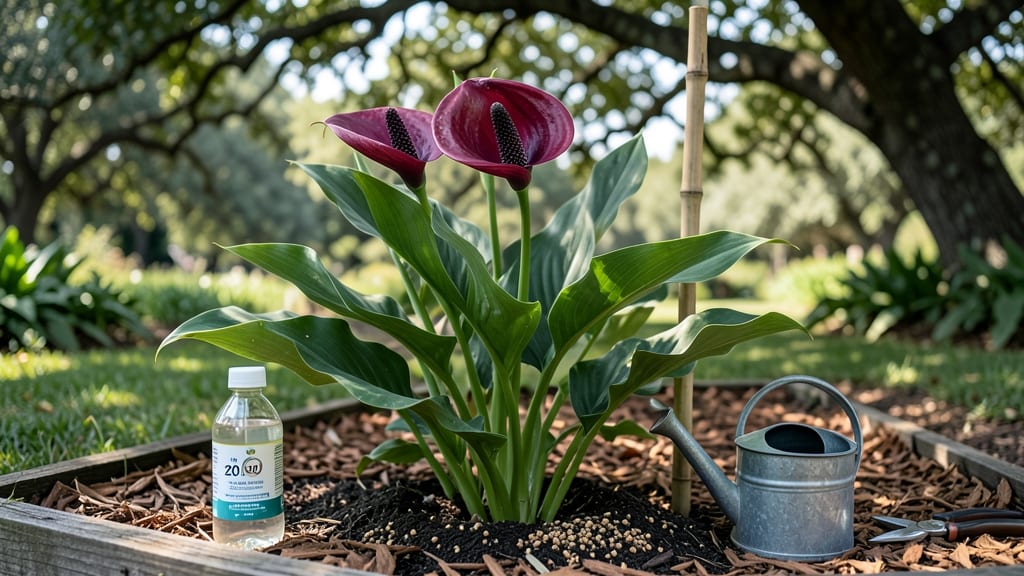
How to keep calla lilies blooming—I’ve turned my stubborn plants into nonstop flowering machines with just a few tweaks—no fancy tricks, just smart care. 🌿 The secret lies in matching their natural rhythms with simple adjustments most gardeners miss. Start with bright, indirect light—these divas wilt in harsh sun but sulk in dim corners. A east- or west-facing window (or grow light) keeps them happy year-round. Then, water only when the top inch of soil feels dry—overwatering is the #1 blooming killer. Your goal? Consistent moisture without soggy roots. Once you nail light and water, feed them lightly every 4-6 weeks with balanced fertilizer (10-10-10 works). After blooms fade, trim the stalks but leave the leaves—they’re powerhouses for next season’s flowers. Prune yellow leaves immediately to prevent energy drains. For outdoor callas, mulch heavily in winter to protect roots. Indoor plants thrive in humidity trays or near bathrooms. The payoff? Blooms from spring to frost—and sometimes even indoors through winter with the right light. Let’s get those flowers popping!
📚 In This Guide
- What you need
- Instructions
- Tips and common mistakes
- Wrapping up and next steps
What you need
- ● Calla lily plants: Healthy, disease-free tubers or potted plants (1–3 per container, depending on size).
- ● Well-draining potting mix: A high-quality blend (e.g., 60% peat moss, 30% perlite, 10% compost) or a pre-mixed tropical plant mix (1–2 bags, ~2–4 cubic feet).
- ● Containers: For tubers: Drainage trays (1–2, with holes) or plastic pots (5–7 inches deep, 1–2 per tuber).
- ● For potted plants: Large containers (12+ inches wide/deep, 1 plant per 10–12 inches of diameter).
- ● Slow-release fertilizer: Balanced (10-10-10 or 20-20-20), 1 tbsp per plant or as labeled.
- ● Liquid fertilizer: Diluted fish emulsion or bloom booster (e.g., Miracle-Gro, 1 tbsp per gallon of water).
- ● Watering can or hose with a gentle spray nozzle.
- ● Pruning shears or sharp scissors: Sterilized (rubbing alcohol wipe).
- ● Mulch: Organic (e.g., pine bark or shredded leaves, 2–3 inches thick).
- ● Grow lights: LED full-spectrum bulbs (for indoor setups, 12–16 hours/day).
- ● Humidity tray: A shallow tray with pebbles + water (to boost moisture in dry climates).
- ● Soil moisture meter: To avoid over/under-watering.
- ● Epsom salt: 1 tsp per gallon of water (monthly for magnesium boost).
- ● Compost tea: Homemade or store-bought (for microbial health).
- ● Decorative pebbles or moss: For aesthetic drainage layers in pots.
Step-by-step instructions for year-round calla lily blooms
Here's how I keep my calla lilies flowering continuously—no complicated tricks, just smart care.
🌱 Step 1: Choose the Right Variety and Planting Location
Calla lilies thrive in partial shade with morning sun and afternoon shade—this prevents leaf scorch while ensuring enough light for blooms. I plant mine in well-draining soil enriched with compost (about 2-3 inches mixed into the top 6 inches of soil). The key is avoiding soggy roots; callas hate wet feet.
For year-round blooms, select everblooming varieties like 'Black Star' or 'Pink Fantasy'. These produce flowers continuously rather than in one seasonal burst. Plant tubers 2-3 inches deep in spring (after last frost) or early fall—this gives roots time to establish before winter. Space them 12-18 inches apart to allow airflow and prevent fungal issues.
☀️ Step 2: Master Light and Watering for Continuous Blooms
Callas need bright, indirect light—think 4-6 hours of morning sun followed by shade. Too much direct sun burns leaves, while too little light stunts flower production. I watch for yellowing leaves as a sign of too much sun or pale, leggy stems as a sign of insufficient light.
Water deeply once a week (or when the top 2 inches of soil feel dry). Let the soil dry slightly between waterings—this mimics their natural habitat and prevents root rot. In summer heat, I increase watering to 2-3 times weekly but always ensure pots or soil have drainage holes. Overwatering is the #1 killer of calla lilies.
💧 Step 3: Feed and Prune for Nonstop Flowering
Feed callas every 4-6 weeks during the growing season with a balanced liquid fertilizer (10-10-10 or 20-20-20). I dilute it to half-strength to avoid burning roots. The goal is to encourage steady, moderate growth—not rapid spikes that lead to fewer blooms. Stop fertilizing in late summer to let plants prepare for dormancy.
After each bloom cycle, cut spent flower stalks back to the base but leave the leaves. This redirects energy to new growth instead of seed production. I also trim yellow or damaged leaves to keep the plant looking tidy and disease-free. This simple pruning trick keeps callas blooming for months longer than unpruned plants.
⏰ Step 4: Overwinter Tubers for Next Season’s Blooms
When temperatures drop below 40°F, calla lilies enter dormancy. I dig up tubers in late fall, brush off excess soil, and store them in a cool, dry place (like a garage or basement) at 40-50°F. Wrap them in dry peat moss or vermiculite to prevent drying out.
In early spring, I replant the tubers 2-3 inches deep once the soil warms to 60°F. This timing ensures they sprout just as new growth begins. The secret to year-round blooms? Don’t let tubers dry out completely during storage—check monthly and mist lightly if they feel shriveled. Healthy tubers = more blooms next season.
🌿 Step 5: Prevent Pests and Diseases for Long-Term Health
Calla lilies attract slugs, aphids, and fungal diseases like botrytis. I inspect leaves weekly for holes (slugs) or sticky residue (aphids). For slugs, I use copper tape barriers around pots or beds—it’s chemical-free and effective. For aphids, a strong spray of water usually knocks them off.
To prevent fungal issues, I avoid overhead watering and space plants properly for airflow. If you see black spots on leaves, remove affected foliage immediately and treat with neem oil (mixed per label instructions). Keeping callas healthy year-round means staying vigilant—but the continuous blooms make it worth it!
Tips & tricks for year-round calla lily blooms
These simple yet effective strategies will help you maintain vibrant calla lilies that keep producing stunning blooms all year long.
Lighting Strategy: The 4-6 hours of morning sun is crucial for photosynthesis while protecting delicate leaves from afternoon heat. I recommend using sheer curtains on south-facing windows to diffuse light—this creates the perfect bright, indirect environment. If growing outdoors, position plants where they receive morning sunlight but are shaded by trees or structures in the afternoon.
Watering Precision: The "top 2 inches dry" test is your best friend—stick your finger in the soil to check moisture levels. In containers, I find that watering in the morning allows excess moisture to evaporate before evening, reducing fungal risks. For potted callas, I add a layer of gravel at the bottom of pots to improve drainage and prevent waterlogging, which is especially important during summer's 2-3 times weekly watering schedule.
Fertilizer Timing: The 4-6 week feeding schedule works because it mimics natural nutrient cycles. I've found that applying fertilizer right after a heavy watering helps prevent root burn. For maximum blooms, I switch to a phosphorus-heavy fertilizer (10-20-10) during the flowering season, then return to balanced fertilizer in late summer to prepare plants for dormancy. Always dilute to half-strength—this is non-negotiable for calla lilies.
Pruning Technique: When cutting back spent flower stalks, I use clean, sharp pruners to make cuts just above the leaf base. This clean cut prevents disease entry points. I never remove more than 20% of the foliage at once—healthy leaves are essential for photosynthesis that fuels continuous blooming. The key is to maintain that balance between removing spent blooms and preserving enough leaf surface for energy production.
Pro Tips for Keep Calla Lilies Blooming
- These simple yet effective strategies will help you maintain vibrant calla lilies that keep producing stunning blooms...
- Lighting Strategy: The 4-6 hours of morning sun is crucial for photosynthesis while protecting delicate leaves from a...
- Watering Precision: The "top 2 inches dry" test is your best friend—stick your finger in the soil to check moisture l...
Frequently asked questions
Why aren’t my calla lilies blooming at all?
If your calla lilies refuse to bloom, check their light exposure first—they need bright, indirect sunlight (6+ hours/day). Overwatering or nutrient deficiencies (like low phosphorus) can also stunt blooms. Try fertilizing with a bloom-boosting formula (like 10-30-20) every 4-6 weeks. If they’re still struggling, they may need a dormancy period in winter.
How long does it take for calla lilies to rebloom after cutting?
Once you trim spent blooms, new ones typically appear in 4-8 weeks, depending on conditions. For year-round blooms, maintain consistent care (light, water, fertilizer) and avoid extreme temperature shifts. Pro tip: Pinch back leggy stems to encourage bushier growth and more flowers!
Can calla lilies bloom indoors year-round?
Yes, but they need ideal conditions: bright light (south/west windows or grow lights), humidity (50%+), and warmth (65–80°F). Use a pebble tray or humidifier to prevent browning leaves. In winter, supplement with grow lights (12–14 hours/day) to mimic summer. If blooms slow down, they may need a short rest period (reduce water slightly for 2–3 weeks).
What’s the best fertilizer for calla lilies to keep them blooming?
Use a balanced, bloom-focused fertilizer like 20-20-20 or 10-30-20 (high in phosphorus for flowers). Feed every 4–6 weeks in spring/summer, then reduce to monthly in fall. Avoid over-fertilizing—it can burn roots! For organic options, try fish emulsion or compost tea. Always water before fertilizing to protect roots.
Why are my calla lilies’ leaves turning yellow, and will this affect blooms?
Yellow leaves usually signal overwatering, root rot, or nutrient issues. Fix it by:
- Ensuring well-draining soil (add perlite or orchid bark).
- Watering only when the top 1–2 inches of soil are dry.
- Checking for pests (like spider mites) on undersides of leaves.
Wrapping up and next steps
Keeping your calla lilies blooming year-round is all about consistent care, patience, and a little know-how—and you’ve got the tools to make it happen! 🌸 With the right lighting, watering routine, soil mix, and a touch of seasonal adjustments, your calla lilies will reward you with stunning, long-lasting blooms.
Remember, even the most experienced gardeners face challenges, but every cut flower or faded petal is a step closer to mastering the art.
Now that you’re armed with these tips, roll up your sleeves and give your calla lilies the love they deserve. Start with one small change—like adjusting their light exposure or fertilizing on schedule—and watch your garden transform. Happy gardening! 🌱