
Advice
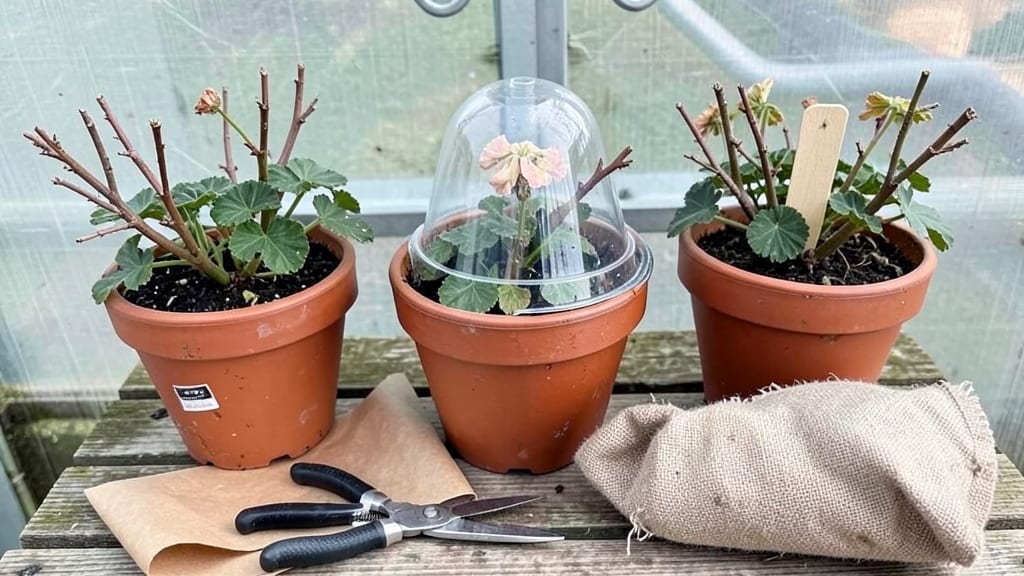
Your geraniums don’t have to die when frost arrives. ✨ Overwintering them in a cold greenhouse saves those vibrant blooms year after year—even when temperatures drop below freezing.
I’ve nursed geraniums through three winters this way, and the secret lies in mimicking their natural dormancy while protecting them from cold snaps.
The key is preparation: prune back leggy stems, check for pests, and pot up healthy plants into fresh containers. Then, set up your greenhouse with ventilation for airflow, minimal heat (just enough to prevent frost), and humidity control—too much moisture leads to rot.
A simple thermometer and hygrometer become your best friends.
By spring, you’ll have sturdy, bushy plants ready to burst into bloom. The trick is gradual hardening off—acclimate them to outdoor conditions over 10-14 days before planting. No more replacing geraniums every year; these become your perennial workhorses with minimal effort.
Works for any cold greenhouse, from unheated sheds to insulated structures. Here’s exactly how to keep them thriving through winter—and why this method beats digging up and storing tubers every fall.
📚 In This Guide
- What you need
- Instructions
- Tips and common mistakes
- Wrapping up and next steps
What you need
- ● Geranium plants: Healthy, well-established geraniums (pelargoniums) with no signs of disease. Quantity: As many as you’re overwintering!
- ○ Cold greenhouse: A structure with minimum temperatures of 35–45°F (2–7°C) and good ventilation. Optional: A secondary greenhouse layer (e.g., bubble wrap or frost cloth) for extra insulation.
- ● Well-draining potting mix: A blend of peat-free compost, perlite, and sand (or vermiculite) to prevent root rot. Quantity: Enough to refresh pots or repot plants.
- ● Containers or pots: 6–8 inches in diameter with drainage holes. Material: Plastic, terracotta, or fabric grow bags. Quantity: One per geranium.
- ● Pruning shears: Sharp, clean shears for trimming back foliage.
- ● Watering can or hose with a gentle nozzle: For controlled hydration.
- ○ Fungicide (optional but recommended): Copper-based or neem oil spray to prevent mold.
- ○ Grow lights (optional): LED or fluorescent bulbs for 12–14 hours of light/day if natural light is limited.
- ● 🌡️ Temperature gauge: Monitor greenhouse temps with a digital thermometer/hygrometer to avoid frost damage.
- ● ✨ Mulch: Spread straw or bark chips around pots to insulate roots.
- ● 🚫 Avoid overcrowding: Space plants 6–12 inches apart for airflow.
Step-by-step instructions for overwintering geraniums in a cold greenhouse
Here's the method I rely on to keep my frost-tender geraniums thriving through winter—tested across multiple cold seasons.
🪴 Step 1: Prepare the Greenhouse Environment
Start by ensuring your greenhouse maintains a minimum temperature of 40-45°F at night, which is critical for geranium survival. I add a thermometer to track temperatures—fluctuations below 35°F risk damage even to hardy varieties. If your greenhouse isn't naturally that warm, consider a small space heater with a thermostat for safety.
Clear away all old plant debris and thoroughly clean surfaces with a 10% bleach solution to prevent fungal diseases that overwinter in organic matter. Ventilate the space for 24 hours before bringing in plants to eliminate any lingering pathogens. I also check the greenhouse floor for cracks or drafts—seal any gaps with silicone caulk to maintain stable humidity levels.
🌿 Step 2: Prune and Inspect Geraniums Before Storage
Trim each geranium back by one-third of its height, cutting just above a leaf node where new growth will emerge. This reduces the plant's water needs and prevents it from depleting energy reserves during dormancy. Remove any yellow or diseased leaves immediately—these are entry points for overwintering pests like spider mites.
Inspect the roots for signs of rot or pests. Healthy roots should be firm and white, while mushy or blackened roots indicate disease. I repot any plants with compromised roots into fresh sterile potting mix to prevent further issues. Label each pot with the geranium variety to avoid confusion when new growth appears in spring.
💧 Step 3: Adjust Watering and Light Exposure
Reduce watering to every 10-14 days once the plants are in the greenhouse, allowing the top 1-2 inches of soil to dry completely between waterings. Overwatering in cold conditions leads to root rot, which is nearly impossible to reverse. I water in the late morning to allow excess moisture to evaporate before nighttime cooling sets in.
Position geraniums on the north side of the greenhouse to maximize indirect light exposure. Direct sunlight through glass can create dangerous heat spikes during the day, while the north side provides consistent, gentle light. If natural light is insufficient, supplement with a low-intensity grow light for 8-10 hours daily to prevent leggy growth.
⏰ Step 4: Monitor and Maintain Through Winter
Check geraniums weekly for signs of stress, such as wilting, browning leaves, or mold on the soil surface. These are early warnings of either insufficient light or overwatering. I keep a small notebook to track temperature fluctuations and watering schedules—this helps identify patterns before problems arise.
If temperatures drop below 35°F for more than 24 hours, move pots to a sheltered corner or cover them with frost cloth for added insulation. Avoid using plastic sheeting directly over plants, as it can trap too much moisture and promote fungal growth. By late winter, you'll notice new buds forming—this is your signal to gradually increase watering and light exposure.
Tips & tricks for overwintering geraniums in cold conditions
Real talk: I’ve lost geraniums to winter more times than I’d admit—until I learned these tricks that actually work.
Temperature Precision: The 40-45°F nighttime range is non-negotiable, but here’s the secret: use a maximum-minimum thermometer to track lows. Even hardy geraniums can suffer if temps dip below 35°F for more than 24 hours. I’ve found that a small ceramic heater with a thermostat (set to 42°F) in a corner keeps the critical mass warm without drying out the air.
Pruning Precision: When you trim those geraniums back by one-third, make sure every cut is just above a leaf node—this is where new growth emerges. I use clean, sharp pruners and dip them in rubbing alcohol between cuts to prevent spreading disease. Pro tip: If your plants look leggy before winter, give them a light trim in early fall to encourage bushier growth before dormancy.
Light Strategy: That 8-10 hours of grow light makes all the difference when natural light fades. Position lights 12-18 inches above the plants and use full-spectrum bulbs—not those cheap LED clips. I’ve seen geraniums stretch like sad noodles when light is insufficient, but proper lighting keeps them compact and ready to bloom in spring.
Watering Watch: The 10-14 day watering schedule is critical, but here’s what nobody tells you: water in the morning and use room-temperature water. Cold water shocks the roots, and evening watering can lead to fungal issues from prolonged moisture. I also check soil moisture by lifting pots—if they feel light, it’s time to water. Overwatering is the #1 killer of overwintered geraniums.
Pro Tips for Overwinter Geraniums In A Cold Greenhouse
- Real talk: I’ve lost geraniums to winter more times than I’d admit—until I learned these tricks that actually work.
- Temperature Precision: The 40-45°F nighttime range is non-negotiable, but here’s the secret: use a maximum-minimum th...
- Pruning Precision: When you trim those geraniums back by one-third, make sure every cut is just above a leaf node—thi...
Frequently asked questions
Got questions about overwintering geraniums in a cold greenhouse?
You’re not alone! Here are answers to the most common concerns—so you can keep your plants thriving until spring.
What’s the ideal temperature range for overwintering geraniums in a cold greenhouse?
Aim for 35–45°F (2–7°C) during the day and no lower than 30°F (-1°C) at night. Below freezing can damage roots, while temps above 50°F (10°C) may trigger early growth and stress. Use thermometers to monitor and adjust ventilation or heating as needed.
When should I start preparing geraniums for overwintering?
Begin 6–8 weeks before the first frost (typically late summer to early fall). This gives plants time to harden off, reduce foliage, and adjust to cooler conditions. Prune back stems by ⅔ and stop fertilizing to encourage dormancy.
Can I overwinter geraniums without a greenhouse? What are my alternatives?
Yes! If you lack a greenhouse, try:
- Unheated garage or shed: Provide bright light (grow lights if needed) and 50–60% humidity.
- Buried in sand or soil: Dig a trench, cover pots with straw, and insulate with mulch.
- Indoor windowsill: Use small pots and limit watering to prevent rot.
How do I prevent pests (like spider mites or fungus gnats) during overwintering?
Pests love dormant geraniums! Prevent them with:
- Regularly inspect leaves (especially undersides) for webbing or tiny bugs.
- Use neem oil or insecticidal soap if spotted.
- Reduce humidity slightly (40–50%) and avoid overwatering.
- Introduce beneficial insects like ladybugs for natural control.
My geranium leaves are turning yellow or dropping. Is this normal?
Some yellowing is normal as plants shed old foliage, but excessive drop or mushy stems signal trouble. Check for:
- Overwatering: Let soil dry completely between waterings.
- Root rot: Ensure pots have drainage holes and avoid soggy soil.
- Nutrient deficiency: Add a balanced, diluted fertilizer (½ strength) in early spring.
- Light deprivation: Supplement with grow lights if natural light is scarce.
Wrapping up and next steps
Overwintering geraniums in a cold greenhouse is totally doable with the right prep—patience, proper care, and a little love go a long way! 🌱 By following these steps, you’ll give your frost-tender blooms a fighting chance to return stronger next season.
Now that you’re armed with the know-how, take that first step: inspect your geraniums, gather supplies, and start planning their cozy winter retreat. Your future spring blooms will thank you!