
How To
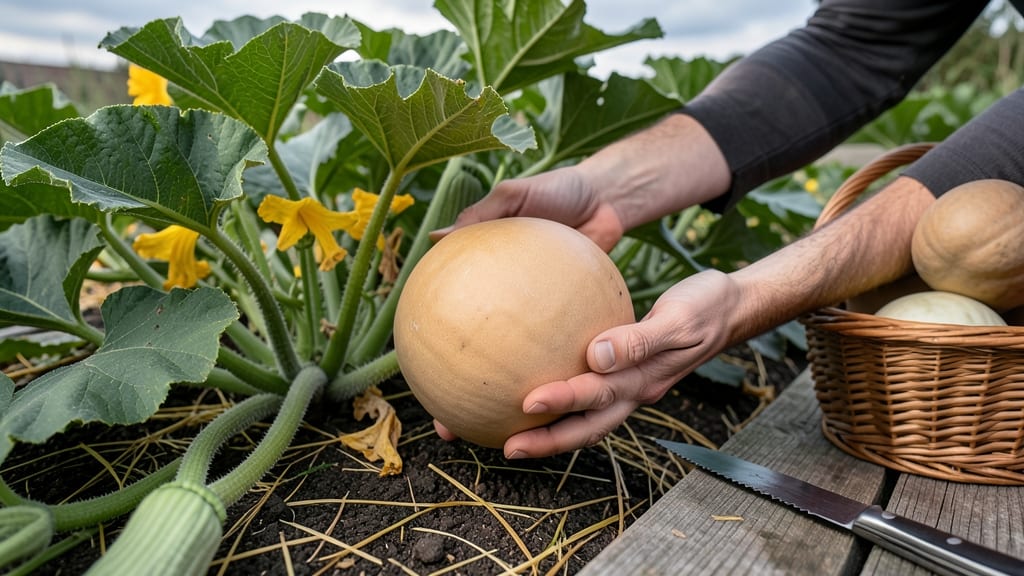
Picking a ripe butternut squash 🎃 can feel like solving a puzzle—one wrong move, and you end up with bland or mushy results. The good news? With just three simple tests, you’ll never second-guess your selection again, whether you’re harvesting from your garden or shopping at the store.
Most gardeners know the struggle: a squash that looks perfect on the outside turns out tough or hollow inside. That’s why I’ve broken down the most reliable ways to check ripeness—no guesswork involved. From color clues to the telltale sound of a tap, these tricks work every time.
You’ll also learn how to avoid common mistakes, like confusing a hard shell with true ripeness or mistaking a soft spot for overripeness. Plus, I’ll share pro tips to store your squash so it stays fresh and flavorful for months. Let’s get started!
Whether you’re a first-time grower or a seasoned gardener, these insights will help you pick butternut squash that’s sweet, tender, and ready for your favorite recipes. No more wasted produce—just perfect, homegrown (or store-bought) success.
3 Visual and touch tests to identify a perfectly ripe butternut squash
A ripe butternut squash is the key to sweet, flavorful meals—but spotting one isn’t always easy. The good news? You don’t need a degree in botany to master this skill.
Focus on three key areas: color, stem condition, and texture. These simple tests will help you avoid mushy overripe squash or bland underripe ones every time.
Start with the color test. A perfectly ripe butternut squash should have a deep, tan or beige hue. Avoid bright orange or pale green squash—they’re not ready yet.
The skin should also feel hard and leathery, not soft or spongy. This is your first clue that the squash has matured properly.
Next, check the stem. A ripe squash will have a dry, brown, and slightly shrunken stem. If the stem is still green and fresh, the squash isn’t ready.
A completely detached stem is a red flag—it means the squash was harvested too late and may be overripe or rotting inside.
Finally, perform the thumbnail test. Press your thumbnail into the skin near the stem. If it doesn’t leave a mark, the squash is ripe. If it sinks in, it’s underripe. If the skin feels too soft, it’s overripe and likely mushy on the inside.
Check the Color
Look for a deep tan or beige skin. Avoid bright orange or pale green squash.
Inspect the Stem
The stem should be dry, brown, and slightly shriveled. Green stems mean it’s not ripe.
Test the Skin
Press your thumbnail into the skin. If it doesn’t dent, it’s ripe. Too soft? It’s overripe.
Pro tip: Weight matters too! A ripe butternut squash feels heavy for its size because it’s packed with sweet flesh. If it feels light, it’s likely underripe. And always give it a gentle tap—a ripe squash will sound hollow when tapped near the stem.
Now that you’ve mastered the visual and touch tests, you’re ready to pick the perfect squash every time. But what about checking for sweetness and avoiding common mistakes? Let’s dive into that next.
Remember, the best butternut squash is one that passes all three tests: color, stem condition, and skin hardness. With these tricks, you’ll never second-guess your squash selection again!
3 Visual and touch tests to identify a perfectly ripe butternut squash
Butternut squash ripeness isn’t just about color—it’s a mix of visual cues, texture, and even sound. A ripe squash should feel heavy for its size, with a hard rind that resists pressure.
If you’re unsure, these three tests will help you pick the sweetest, most flavorful butternut every time.
First, examine the stem. A perfectly ripe butternut will have a dry, papery stem that’s shriveled and brown. If the stem is still green or moist, the squash needs more time. This is your first clue that the squash has reached maturity and developed its full sweetness.
Next, give the squash a gentle tap test. Hold it in one hand and knock your knuckles against its side. A ripe butternut will produce a deep, hollow sound, like a drum.
If it sounds dull or flat, it’s likely underripe. This test works because ripe squash has less moisture inside its flesh.
Finally, press your thumbnail into the squash’s skin. If it springs back and leaves no indentation, the squash is ripe. A soft spot or dent means it’s overripe and likely mushy inside. This test is especially useful when comparing squash side by side at the market.
Pro tip: Look for a deep tan or beige color on the skin, not bright orange. The color should be even, not patchy. Avoid squash with soft spots, mold, or a green stem—these are signs of spoilage or immaturity.
With these three tests, you’ll confidently pick butternut squash that’s sweet, firm, and ready for storage or cooking. Happy squash hunting!