
Picking
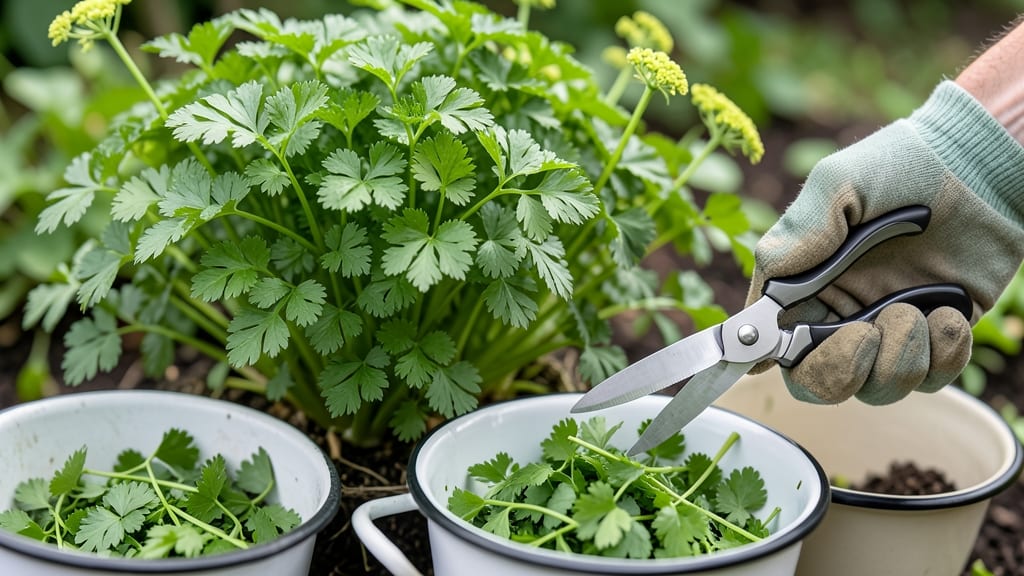
How to pick parsley so it grows back—your parsley can keep thriving if you cut it right. ✂️ I’ve harvested parsley for years, and the difference between a plant that bounces back and one that bolts comes down to where and how you snip. The secret? Never take more than a third of the plant at once, and always cut from the base to encourage new growth.
Start harvesting when the plant reaches about 6 inches tall, and use clean, sharp scissors or pruners. Cut just above a set of leaves (the leaf nodes) to stimulate branching.
Over-harvesting in one go will stunt regrowth, but a little at a time keeps the plant happy and productive for months—even through winter if you protect it.
After harvesting, give your parsley a boost with a light fertilizer (like compost tea) to replenish nutrients. Watch for signs of stress—yellowing leaves mean it’s thirsty or nutrient-deficient, while leggy stems signal it needs more light.
A well-cared-for parsley plant can last 3-5 years and keep producing fresh leaves all season.
This method works for both flat-leaf and curly parsley, whether you’re growing it in pots or garden beds. The key is patience and precision—your parsley will thank you with lush, continuous regrowth all season long.
📚 In This Guide
- What you need
- Instructions
- Tips and common mistakes
- Wrapping up and next steps
What you need
- ● Fresh parsley plant(s) – Choose healthy, mature plants (at least 6–8 inches tall) with vibrant green leaves.
- ● Sharp pruning shears or clean scissors – A pair of bypass pruners (with 5–6 inch blades) works best to avoid crushing stems.
- ○ Gloves (optional but recommended) – Lightweight gardening gloves protect your hands from prickly stems and dirt.
- ● Watering can or hose with a gentle spray nozzle – A 1-gallon watering can or a soaker hose keeps roots hydrated post-harvest.
- ○ Balanced fertilizer (optional but helpful) – A 5-5-5 or 10-10-10 NPK fertilizer (1 tablespoon per plant) boosts regrowth.
- ● A small bowl or basket for collecting harvested stems (keeps leaves intact!).
- ● Compost bin – Toss old parsley stems or yellowed leaves here to enrich your soil.
- ● Plant markers – Label your parsley patch if you have multiple herbs to avoid mix-ups!
- ● Neem oil or copper fungicide – A preventative spray (1 tsp neem oil per quart of water) keeps pests and diseases at bay.
Step-by-Step instructions for harvesting parsley to encourage regrowth
Here’s how to harvest parsley like a pro—keeping your plants lush and productive season after season.
🌿 Step 1: Identify the Right Time to Harvest
Wait until your parsley plants reach at least 6 inches tall and have developed 6-8 mature leaves. This ensures the plant has enough energy stored to regrow. I always check the stems for a sturdy, woody base—thin stems mean the plant isn’t ready for cutting yet.
Harvest on a dry morning after the dew has evaporated. Wet leaves can harbor bacteria, and damp conditions slow regrowth. If you’re unsure, pinch off just a few outer leaves first to test the plant’s resilience.
✂️ Step 2: Use Proper Cutting Techniques
Cut stems at a 45-degree angle about 1 inch above a leaf node (the point where leaves attach to the stem). This angle increases surface area for faster healing and encourages new shoots to emerge from that node. Never cut the main stem all the way down—leave at least 2-3 inches to support regrowth.
Use clean, sharp scissors or pruning shears to avoid crushing stems. A jagged cut slows recovery and invites disease. If you’re harvesting for the kitchen, snip just the outer leaves—this leaves the inner growth intact and keeps the plant looking tidy.
🌱 Step 3: Space Out Harvests for Continuous Growth
Never take more than one-third of the plant at a time. Parsley is resilient, but over-harvesting stresses it and can lead to leggy, sparse regrowth. I like to harvest every 2-3 weeks in the growing season, always targeting the oldest, largest leaves first.
After each harvest, give the plant a light watering to help it recover. If the soil feels dry 1 inch below the surface, a deep watering encourages root activity and speeds up new leaf production. Avoid overhead watering right after cutting—wet foliage can trap pests.
☀️ Step 4: Optimize Light and Nutrition for Regrowth
Parsley thrives in full sun to partial shade (4-6 hours of direct light daily). If your plant starts looking pale or sparse after harvesting, it may need more light. Move it to a sunnier spot or supplement with a grow light for 12-14 hours daily if indoors.
Feed the plant with a balanced liquid fertilizer (10-10-10) every 4-6 weeks during the growing season. You’ll notice new growth within 7-10 days if the plant has enough nutrients. Avoid over-fertilizing—too much nitrogen leads to leafy growth at the expense of flavor.
⏰ Step 5: Monitor and Maintain for Long-Term Productivity
Watch for signs of stress like yellowing leaves or stunted growth. These often mean the plant needs more nutrients, water, or light. If the center of the plant becomes bare, trim back any dead or damaged leaves to redirect energy to new growth.
In colder months, parsley may go dormant. Reduce watering but keep the soil lightly moist. With proper care, your parsley can regrow year after year, producing fresh leaves for salads, garnishes, and cooking.
Tips & tricks for perfect parsley regrowth
Took me a while to figure these out, so here goes—your parsley will thank you for every detail.
Timing is Everything: In Step 1, when checking for that 6-inch height and 6-8 mature leaves, focus on the leaf nodes—the points where leaves attach to the stem. These are your growth indicators. I learned this the hard way after snipping too early and ending up with a sad, leggy plant. The woody base is your green light—if it feels sturdy, you're golden.
Cutting Technique That Changed Everything: That 45-degree angle in Step 2 isn't just for looks—it's a game-changer. The increased surface area helps the stem heal faster and prevents water from pooling, which can lead to rot. I used to cut straight across, and my parsley would take forever to bounce back. Pro tip: Sterilize your scissors with rubbing alcohol between cuts to prevent spreading disease from plant to plant.
Light and Nutrition Strategy: The 4-6 hours of sunlight mentioned in Step 4 is non-negotiable for robust regrowth. If your parsley starts looking pale after harvest, it's begging for more light. I keep a grow light on a timer for 12-14 hours when my kitchen windows get shady. For fertilizer, stick to that 10-10-10 balanced formula—parsley hates excess nitrogen, which makes leaves soft and flavorless. I've seen parsley go from sparse to lush in just 7-10 days after proper feeding.
Seasonal Adjustments: In colder months when parsley might go dormant (Step 5), I reduce watering but never let the soil dry out completely. A light misting every few days keeps roots active without encouraging rot. The key is maintaining that 1-inch moisture level below the surface—you can check this by sticking your finger in the soil. This simple habit has kept my parsley producing through winter for years.
Pro Tips for Pick Parsley So It Grows Back
- Took me a while to figure these out, so here goes—your parsley will thank you for every detail.
- Timing is Everything: In Step 1, when checking for that 6-inch height and 6-8 mature leaves, focus on the leaf nodes—...
- Cutting Technique That Changed Everything: That 45-degree angle in Step 2 isn't just for looks—it's a game-changer. T...
Frequently asked questions
Got questions about keeping your parsley lush and regrowing like a pro? You’re not alone! Here are answers to the most common queries—so you can harvest with confidence and enjoy fresh parsley all season long.
When is the best time to pick parsley for regrowth?
Harvest parsley in the morning after the dew has dried but before the sun peaks (around 8–10 AM). This timing ensures the leaves are hydrated and resilient, giving your plant the best chance to bounce back. Avoid picking after a heavy rain or late in the day when leaves are wilted.
How much should I cut off to encourage regrowth?
Never trim more than one-third of the plant at once. For flat-leaf parsley, snip outer stems near the base (about 2–3 inches down). Curly parsley is more delicate—stick to 10–15% of the plant per harvest. Think of it like a haircut: small, frequent trims keep it healthy and full!
Can I pick parsley in winter or cold weather?
Parsley is hardy but slows down in cold temps (below 40°F/4°C). If you must harvest, wait for a mild day and avoid frost. For winter regrowth, mulch the base with straw or leaves to insulate roots. If your parsley looks sad, trim lightly in spring—it’ll perk up fast!
What if my parsley stops growing back after harvesting?
Check these fixes:
- Sunlight: Parsley needs 6+ hours of sun daily. Move it to a sunnier spot if leaves yellow or grow leggy.
- Water: Keep soil consistently moist but not soggy. Wilting = stress = no regrowth.
- Soil: Poor soil? Amend with compost or a balanced fertilizer (like 10-10-10) to boost nutrients.
- Pests: Inspect for aphids or spider mites. Spray with soapy water if needed.
Are there alternatives if my parsley won’t regrow?
Yes! Try these parsley-like herbs for flavor and regrowth:
- Cilantro: Harvest outer stems and regrow easily (though it may bolt in heat).
- Chives: Cut back by ⅓ and they’ll regrow in weeks—great for garnishes!
- Dill: Let it flower for seeds, then trim back to encourage new growth.
- Chervil: A delicate annual that regrows well with consistent moisture.
Wrapping up and next steps
Picking parsley doesn’t have to mean saying goodbye to your herb garden—with the right techniques, you’ll enjoy fresh, lush regrowth all season long! 🌱 By harvesting correctly (cutting just above the leaves, avoiding the base, and spacing out picks), you’re not just getting flavorful herbs—you’re nurturing a thriving plant.
Start small, stay consistent, and soon, your parsley will be bouncing back like a pro!
Ready to put your new skills to the test? Grab those shears and give it a try! 🌿 Whether you’re prepping for a recipe or just loving your green thumb, every snip is a step toward a garden that keeps giving. Happy harvesting!