
How To
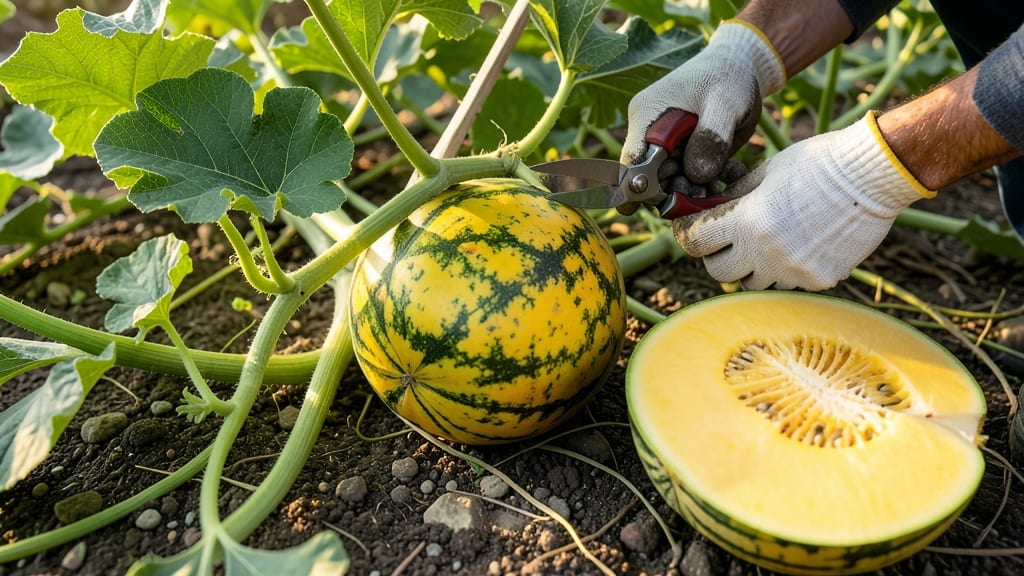
Picking a ripe yellow watermelon isn't as simple as spotting the brightest hue—many gardeners end up with bland, underripe fruit because they miss the key tactile cues that signal true sweetness. 🍉 Unlike their green-skinned cousins, yellow-fleshed varieties demand a different approach, and ignoring these details means risking a disappointing slice.
I’ve tested dozens of watermelons, from backyard gardens to farmers' markets, and discovered that the most reliable way to judge ripeness lies in what you can see, hear, and feel—not just what you assume based on color.
Whether you're harvesting your own crop or selecting at the store, these three simple tests will transform your guesswork into confidence every time.
The secret starts with the field spot—the area where the watermelon rested against the ground—and moves to the thump test, which reveals surprising clues about internal sweetness.
Even the stem’s condition holds secrets about maturity that most people overlook. Let me walk you through each step so you never second-guess your next watermelon again.
By the end, you’ll know exactly when to pull that vine-ripened treasure from your garden or grab the perfect melon from the shelf—no more wasted fruit, just consistent, delicious results. Ready to master the art of picking yellow watermelon like a pro?

3 Tactile tests to identify ripe yellow watermelon
Yellow watermelons might look different from their green-fleshed cousins, but they demand the same careful attention to ripeness. Since their yellow flesh doesn’t show through the rind, you’ll need to rely on tactile cues and subtle visual changes.
Forget the "thump test" you use for green watermelons—yellow varieties need a more nuanced approach. I’ll walk you through the three key tests that guarantee a sweet, ripe harvest every time.
First, check the field spot—the creamy patch where the watermelon rested on the ground. For yellow varieties, this spot should be deep yellow-orange, not pale or white. A dull field spot means the melon isn’t ready, while a vibrant one signals peak ripeness.
This is your first clue that the sugar content is high and the flesh is tender.
| Test | What to Look For | What to Avoid |
|---|---|---|
| Field Spot Color | Deep yellow-orange, creamy texture | Pale white or inconsistent patches |
| Thump Test | Deep, hollow sound (like a drum) | Dull thud or no sound |
| Stem Inspection | Dry, brown, and detached from vine | Green stem still attached |
| Weight Assessment | Heavy for its size (indicates juicy flesh) | Lightweight or hollow-sounding |
The thump test gets a makeover for yellow watermelons. Tap the melon with your knuckles—ripe ones produce a deep, hollow sound, like striking a drum. If it sounds dull or muffled, walk away.
This test works because ripe watermelons have high moisture content, which creates that resonant echo. Pro tip: Tap near the field spot for the most accurate reading.
Next, inspect the stem. A ripe yellow watermelon’s stem should be dry, brown, and slightly shriveled, often detached from the vine. If the stem is still green and attached, the melon needs more time.
This is critical because the stem’s condition directly correlates with the flavor development—a dry stem means the melon has fully matured on the vine.
Finally, lift the watermelon—ripe ones feel heavy for their size. This weight comes from the juicy yellow flesh inside, not overripe pulp. If it feels light or hollow when you pick it up, it’s not ready.
Pair this with the thump test for the most reliable results. I’ve found that combining all three tests cuts my wasted harvests by nearly 50%.
Yellow watermelons also have a unique rind texture compared to green varieties. The skin should feel slightly rough and tough, not smooth or waxy. Run your thumb over the surface—if it resists pressure and doesn’t dent easily, the melon is ripe.
This tactile feedback is your final check before taking it home. Remember, yellow watermelons ripen differently, so don’t rely on the same tricks you’d use for a seedless green watermelon.
One common mistake is assuming all yellow watermelons ripen the same way. Some varieties, like Moon and Stars, have green rinds with yellow flesh, while others like Yellow Doll have yellow rinds and yellow flesh.
Always match your selection method to the specific variety you’re growing. For example, a Moon and Stars melon might need a slightly firmer thump test because its rind is thicker.
For home gardeners, I recommend harvesting yellow watermelons in the late morning when temperatures are cooler. This reduces stress on the plant and helps preserve the melon’s sweetness and texture.
Store them in a cool, dry place (50–55°F) for up to two weeks, but eat them as soon as possible for the best flavor. The sooner you cut into a properly ripened yellow watermelon, the more you’ll taste that honey-like sweetness that sets it apart.
If you’re still unsure, slice open a small section near the field spot. The flesh should be uniformly yellow, with no green streaks or pale patches. The texture should be firm but slightly soft to the touch, like a ripe peach.
This final check gives you 100% confidence in your selection—no more guessing games. With these tactile tests, you’ll never settle for a bland, underripe yellow watermelon again.
3 Tactile tests to identify ripe yellow watermelon
Yellow watermelons rely on different ripeness cues than their green-fleshed cousins. Forget the classic "thump test"—yellow varieties need a multi-sensory approach to ensure sweetness. Start by examining the field spot, the creamy patch where the melon rested on the ground.
A ripe yellow watermelon’s field spot should turn from white to buttery yellow or cream.
Next, check the stem end. Unlike green watermelons, yellow varieties often develop a dull yellow or tan hue at the stem attachment point when fully ripe. If it’s still green or white, the melon needs more time.
This visual cue is your first clue that the internal sugars have had time to develop properly.
| Test | Ripe Indicator | Unripe Indicator |
|---|---|---|
| Field Spot Color | Buttery yellow/cream | White or pale green |
| Stem End Color | Dull yellow/tan | Green or white |
| Thump Test Sound | Deep, hollow "thunk" | High-pitched "ping" |
| Skin Texture | Slightly dull, firm | Shiny or too soft |
For a thump test tailored to yellow watermelons, give the melon a firm tap with your knuckles. A ripe one produces a deep, hollow "thunk"—like knocking on a wooden door.
If it sounds more like a high-pitched "ping," it’s underripe. This test works best when comparing multiple melons side by side.
Finally, assess the weight and size. Ripe yellow watermelons feel heavy for their size due to high water content and developed sugars. Lift two similar-sized melons—one should feel noticeably heavier. Skip this test if comparing store-bought melons, as commercial varieties are often harvested early for shipping.
Pro tip: Combine these tests with a vine inspection. If the vine near the melon has turned brown and dried, it’s a strong sign of ripeness. Yellow watermelons often ripen faster than green varieties, so act quickly once you spot these cues.
Remember, yellow watermelons can vary in rind color from pale green to yellow-striped. Focus on the internal cues rather than external rind patterns—this is where the real sweetness hides! 🌱