
Container Gardens
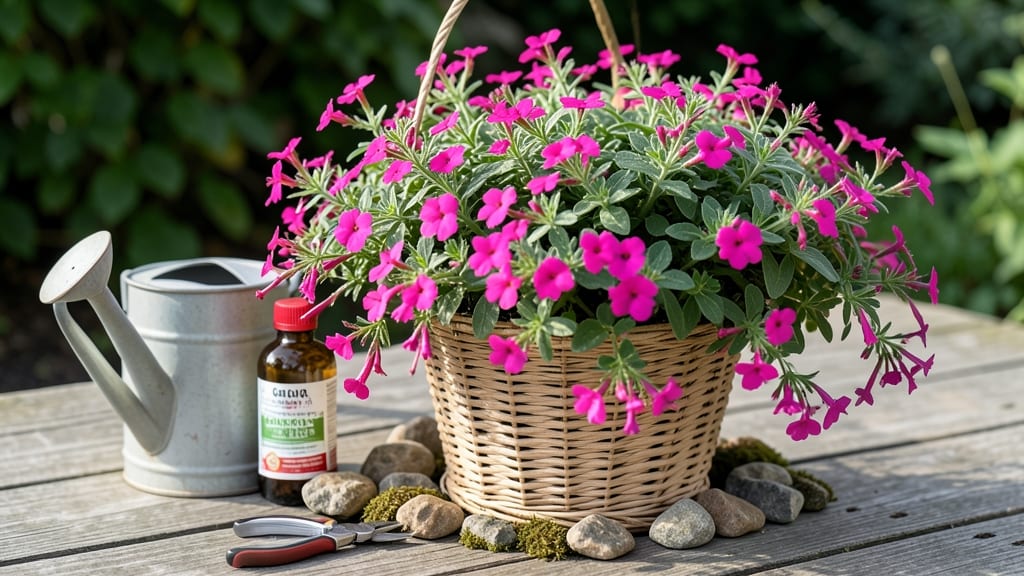
Caring for calibrachoa hanging baskets is your ticket to a summer-long explosion of color—if you get the details right. These 🌸 million bells thrive when you mimic their natural habitat, but one wrong move (like overwatering or skimping on sunlight) can turn your vibrant display into a sad, leggy mess.
What sets calibrachoa apart is its unmatched blooming potential—but only when you feed it the right balance of water, nutrients, and pruning.
I’ve learned the hard way that skipping deadheading or using the wrong soil can stunt growth, so let me show you exactly how to keep your baskets bursting with flowers from June through September.
We’ll cover everything from morning watering routines that prevent root rot to the best fertilizers for nonstop blooms. Plus, I’ll reveal the three most common mistakes that even experienced gardeners make—and how to fix them before they ruin your calibrachoa’s beauty.
Ready to transform your balcony or patio into a cascading waterfall of color? Let’s dive into the step-by-step care guide that’ll keep your calibrachoa thriving all season long.
Optimal growing conditions for calibrachoa in hanging baskets
Calibrachoa thrives in bright, sunny spots with 6+ hours of direct sunlight daily. Without enough light, your plants will stretch and produce fewer blooms. I’ve found that south-facing patios or balconies work best, especially in USDA zones 6a and warmer.
Even partial shade can reduce flowering, so prioritize full sun exposure.
Your hanging baskets need proper drainage to prevent root rot. I recommend using a well-draining potting mix blended with perlite or orchid bark. Avoid garden soil—it compacts and suffocates roots. A 12-18 inch basket gives roots enough space while keeping the plant manageable for cascading growth.
The ideal soil pH for calibrachoa ranges between 5.8 and 6.2. Test your mix before planting—amend with lime to raise pH or sulfur to lower it.
I’ve seen blooms double when soil pH is just right! Pair this with a moisture-retentive yet aerated mix to mimic their natural habitat in South American grasslands.
Temperature matters too. Calibrachoa loves warm weather between 70°F and 85°F. Below 50°F, growth slows dramatically. If you’re in cooler zones, wait until after the last frost date (April 15+) and consider using heat-loving varieties like 'Superbells' for extended blooms.
Humidity plays a subtle but crucial role. While they tolerate average humidity, dry air can stress plants. I mist mine lightly on hot days or place baskets on pebble trays for extra moisture without overwatering. Just avoid soggy bottoms—calibrachoa hates wet feet!
| Factor | Ideal Specification | Why It Matters |
|---|---|---|
| Sunlight | 6+ hours direct sun | Maximizes blooms; prevents leggy growth |
| Temperature | 70°F–85°F | Optimal for photosynthesis and flowering |
| Soil pH | 5.8–6.2 | Enhances nutrient uptake for vibrant blooms |
| Basket Size | 12–18 inches | Supports root growth without overcrowding |
| Drainage | Well-draining mix + perlite | Prevents root rot in hanging baskets |
Don’t overlook container material. Plastic baskets retain more moisture, while coconut fiber or terracotta dry faster. I’ve had best success with pre-mixed hanging basket soil combined with 20% perlite. This combo prevents compaction while holding enough moisture for calibrachoa’s thirsty roots.
For compact growth, choose smaller baskets (12 inches) and space plants 4–6 inches apart. Larger baskets (18+ inches) can hold 3–4 plants but require more frequent watering. I’ve noticed that overcrowding leads to competition, reducing both blooms and foliage health.
Pro tip: Elevate baskets on stands or hooks to improve airflow. Poor circulation encourages fungal diseases like powdery mildew. I elevate mine to 12–18 inches off the ground, which also makes watering easier and reduces pest access.
Finally, rotate baskets weekly to ensure even sunlight exposure. Plants lean toward light sources, and rotation keeps your calibrachoa growing symmetrically. This simple habit can double your bloom production over a season!
Watering, fertilizing, and pruning schedule for year-round blooms
Calibrachoa thrives on a consistent watering schedule—never let the soil dry out completely, but avoid soggy roots. In hanging baskets, water deeply every 1-2 days during peak summer, adjusting for heatwaves. Morning watering prevents fungal diseases and keeps blooms vibrant longer.
For fertilization, use a balanced 10-10-10 NPK formula every 2 weeks from spring through summer. Switch to a low-nitrogen feed in late summer to prolong flowering. Always water before fertilizing to prevent root burn.
Pruning is key to encouraging bushier growth. Pinch back leggy stems by 1/3 when plants are young, and deadhead spent blooms weekly to redirect energy into new flowers. This simple habit keeps calibrachoa blooming until frost.
Seasonal adjustments are crucial—reduce watering in fall and stop fertilizing by September to prepare for dormancy. In drought conditions, elevate baskets off the ground and use self-watering liners to maintain moisture without overwatering.
For compact growth, place baskets where they receive at least 6 hours of sun daily. If indoors, rotate baskets weekly for even light exposure. This simple step prevents lanky stems and ensures a full, bushy appearance that showcases those million bells to their fullest potential.
Remember: Consistency is key—calibrachoa rewards attentive care with nonstop blooms from spring until frost. With this routine, your hanging baskets will become the envy of the neighborhood! 🌸