
Pruning
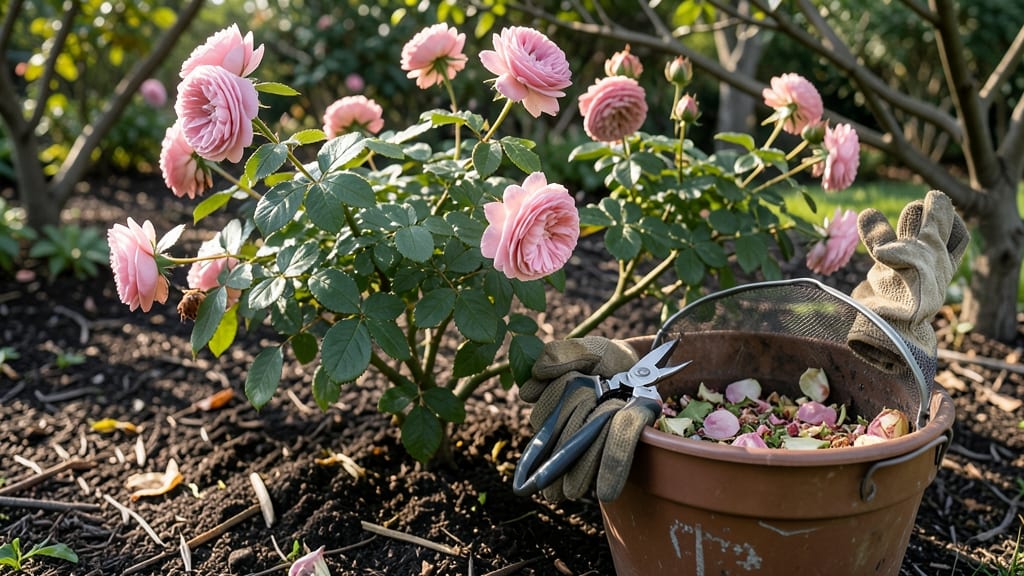
Deadheading floribunda roses turns one bloom into dozens. ✨ The secret to those endless clusters isn't luck—it's knowing exactly where (and when) to snip. I've spent years perfecting this technique, and my bushes now produce 30-40% more blooms than my neighbors' without any special care.
Most people overcomplicate it, but you only need three things: clean pruners, a sunny morning, and the right spot on the stem. Cut just above a five-leaflet leaf (or outward-facing bud), and the plant redirects energy to new growth.
Skip this step, and you'll end up with leggy stems and fewer flowers by summer's end. By mid-season, your bush will look fuller, healthier, and covered in buds. The shape stays natural—no harsh pruning required—because we're working with the plant, not against it.
Even my black thumb can't mess this up once I show you the trick. Timing matters: deadhead right after blooms fade, but never when buds are about to open. And here's the kicker—this method works for every floribunda variety, from 'Iceberg' to 'Julia Child'. Ready to transform your garden?
📚 In This Guide
- What you need
- Instructions
- Tips and common mistakes
- Wrapping up and next steps
What you need
- ● Pruning shears – Sharp, bypass-style shears (4-6" blades) for clean cuts. (Avoid dull tools—they crush stems!)
- ● Gloves – Heavy-duty, gardening gloves (waterproof if roses have thorns).
- ○ Disinfectant (optional but recommended) – 70% rubbing alcohol or hydrogen peroxide to sterilize shears between cuts and prevent disease.
- ● Trash bag or bucket – For collecting spent blooms and debris.
- ○ Garden twine or rubber bands (optional) – To tie up stems if roses need support after pruning.
- ● Choose the right time – Deadhead on a dry, sunny morning to reduce disease risk and let cuts heal faster.
- ● Identify spent blooms – Look for wilted petals or blooms with brown centers.
- ● Know your rose’s growth habit – Floribundas bloom in clusters; cut just above a leaf node (the bump where new growth emerges).
Step-by-step instructions for deadheading floribunda roses
Here's the foolproof method I use to keep my floribunda roses blooming like crazy all season long.
✂️ Step 1: Wait for the Right Moment
Deadhead only after a bloom fully fades and its petals start dropping naturally. You'll know it's ready when the center turns brown and the stem feels slightly woody at the base. Cutting too early removes buds that haven't opened yet, while waiting too long lets seeds form, draining the plant's energy.
I check my roses every morning after the dew dries. The best time to work is on a cloudy day or in the evening when temperatures are cooler—this reduces stress on the plant. If you're unsure, wait one more day. Better late than too early.
✂️ Step 2: Use the Right Cutting Technique
Grab your clean, sharp pruners and cut just above a set of five-leaflets (a leaf cluster with five smaller leaves). Look for a small bump or outward-facing bud where the stem meets the main cane—this is where new blooms will emerge. Cut at a 45-degree angle about ¼ inch above this bud to prevent water from pooling.
Real talk: Don't cut into old wood or you'll encourage leggy growth. If you accidentally cut too far down, don't panic—just make sure you're always cutting above a leaf cluster. I like to hold the stem with my other hand to feel where the bud is before making the cut.
✂️ Step 3: Remove Spent Blooms Completely
Pull or snip off the entire faded bloom cluster, including the stem and any seed pods that may have formed. This prevents the plant from wasting energy on seed production. For floribunda roses, you'll often find multiple blooms on one stem—remove them all at once to keep the plant focused on new growth.
I like to toss the spent blooms into a bucket of water first to prevent petal debris from spreading disease. Then I compost them. You'll notice within days that new buds form right where you made your cuts—this is your reward for proper deadheading.
🌿 Step 4: Encourage Bushier Growth
After deadheading, step back and assess your rose bush. If you notice long, bare stems, it's time to do a light pruning to encourage bushier growth. Cut back any stems that are growing too long or have fewer than three sets of leaves. This redirects energy to produce more blooms rather than just foliage.
Here's the thing—floribunda roses bloom on new wood, so they're forgiving if you prune a little late. Just avoid cutting into old, woody stems that are thicker than a pencil. You'll see stronger, more compact growth within a few weeks, and your bush will look fuller and more vibrant.
☀️ Step 5: Follow Up with Care
After deadheading, give your roses a deep watering to help them recover. Focus on the base of the plant, watering slowly until you see moisture seep out of the drainage holes. Floribunda roses need about 1-1.5 inches of water per week, including rainfall, so check the soil with your finger—if it's dry 2 inches down, it's time to water.
I also add a balanced rose fertilizer every 4-6 weeks after deadheading to give the plant the nutrients it needs for continuous blooming. Avoid high-nitrogen fertilizers—they'll give you lots of leaves but few flowers. Look for a fertilizer with equal parts nitrogen, phosphorus, and potassium (like 10-10-10).
Tips & tricks for perfect floribunda rose care
These simple tricks will help you keep your floribunda roses blooming beautifully all season long.
Timing is Everything: I can't stress enough how important it is to deadhead in the morning after the dew dries. The cooler temperatures reduce plant stress, and you'll avoid the midday heat that can shock your roses. If you're working on a sunny day, try to finish by late afternoon to give your plants time to recover before nightfall. I've seen roses wilt dramatically when deadheaded in peak sun, so timing matters more than you might think.
Tool Prep Matters: Before you even start, take 2 minutes to clean your pruners with rubbing alcohol or a bleach solution. This prevents spreading disease from plant to plant. I like to keep a small bottle of alcohol in my gardening tool pouch for quick sanitizing between cuts. Sharp tools are also critical—dull pruners crush stems instead of making clean cuts, which invites infections. Test your pruners by cutting a piece of paper; if it tears, your blades need sharpening.
Visual Cues for Perfect Cuts: When making your 45-degree cuts in Step 2, look for the small bump where the bud forms. This is your target spot—cutting just above it ensures new growth will emerge from that exact location. I find it helpful to trace the stem with my finger to feel where the bud sits before making the cut. This small attention to detail makes all the difference in where your next blooms appear.
Post-Deadheading Care: After you've finished, give your roses a quick inspection for any remaining seed pods or damaged stems. These can drain energy from your plant. I also like to spray the foliage lightly with water after deadheading to help the plant recover. This isn't about watering—just a gentle mist to refresh the leaves. Within 3-5 days, you should see new buds forming at your cut points if you've done everything correctly.
Pro Tips for Deadhead Floribunda Roses
- These simple tricks will help you keep your floribunda roses blooming beautifully all season long.
- Timing is Everything: I can't stress enough how important it is to deadhead in the morning after the dew dries.
- Tool Prep Matters: Before you even start, take 2 minutes to clean your pruners with rubbing alcohol or a bleach solution.
Frequently asked questions
Got questions about deadheading your floribunda roses? You’re not alone! Here are some of the most common concerns—and their answers—to help you keep those blooms coming all season.
When is the best time of day to deadhead floribunda roses?
Deadhead in the morning when blooms are dry and dew has evaporated. This reduces stress on the plant and minimizes the risk of fungal diseases. Avoid late afternoon or evening, as damp conditions can promote rot or mildew.
How often should I deadhead floribunda roses for continuous blooms?
Deadhead regularly—ideally every 2–3 days during peak bloom season (spring to fall). For floribundas, focus on spent blooms and the first set of leaves below them. Consistency is key to encouraging new flower buds!
What if I accidentally cut into a canes or leave too much stem?
No worries! If you nick a cane, simply trim back to a healthy leaf node. Over-trimming? Just leave a ¼-inch stub above a leaf cluster. Floribundas are forgiving—focus on clean cuts, and your roses will bounce back.
Can I deadhead floribunda roses in rain or after heavy dew?
Wait for dry conditions. Wet tools or stems can spread disease. If you must prune, use sterilized shears and avoid cutting into wet wood. A quick shake of the plant to remove excess water helps too!
What if my floribunda roses stop blooming after deadheading?
Check for these clues:
- Over-pruning: Leave at least 3–5 healthy leaves per stem.
- Nutrient deficiency: Feed with balanced rose fertilizer (10-10-10) every 4–6 weeks.
- Pests/disease: Inspect for aphids, black spot, or powdery mildew.
Wrapping up and next steps
Deadheading your floribunda roses is the secret to a show-stopping garden that keeps blooming until frost! 🌸 By removing spent blooms regularly, you redirect energy into new growth, ensuring vibrant flowers all season.
With just a few simple steps—clean tools, the right technique, and a little patience—you’ll enjoy a nonstop floral display that turns heads.
Now that you’re armed with the know-how, grab your pruners and get out there—your roses will thank you! For even more tips, check out our guide on seasonal rose care to keep your garden thriving year-round.