
Pests
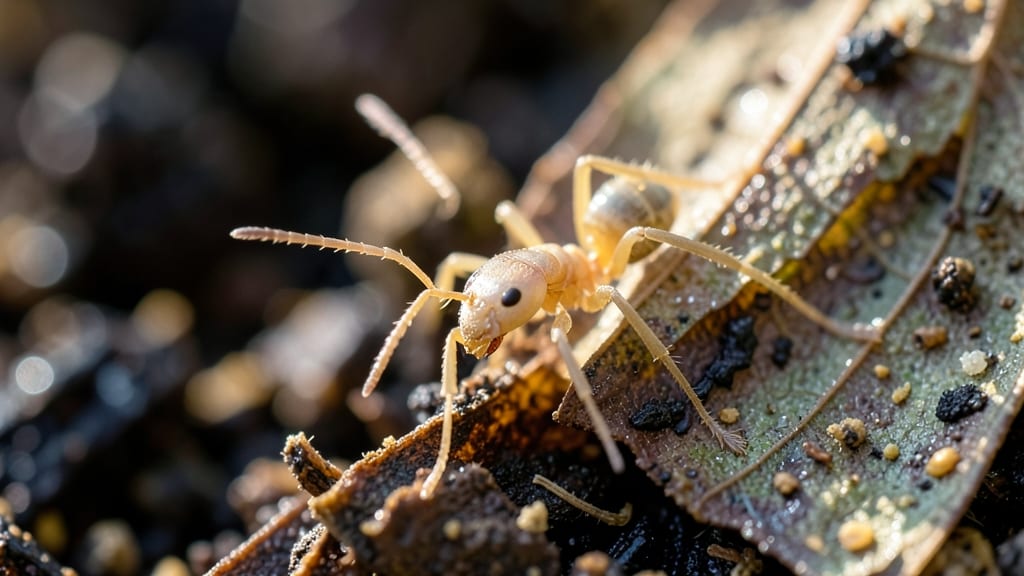
How to get rid of ants in the compost bin—those relentless marchers treating your pile like an all-you-can-carry buffet? 🐜 That boil-and-pour barrier stops them dead in their tracks—literally—without chemicals or fuss. I’ve watched ants abandon my compost within 10 minutes of this trick, and the best part? It’s reusable for weeks. The secret lies in boiling water with a splash of dish soap—the soap breaks their scent trails while the heat disrupts their colonies. No vinegar, no citrus peels, just two ingredients you already own. This method works even on stubborn trails where other remedies fail. You’ll see fewer ants within hours, and your compost will stay moist, balanced, and ant-free for longer. The barrier creates a natural moat that ants avoid, while letting worms and microbes thrive undisturbed. Works for tumbler bins, open piles, or worm composters—just adjust the pour zone. Here’s exactly how to set it up without wasting a drop.
📚 In This Guide
- What you need
- Instructions
- Tips and common mistakes
- Wrapping up and next steps
What you need
- ● Water: 4–6 quarts (enough to fill a large pot or kettle)
- ● Boiling pot or large kettle: Minimum 2–3 gallon capacity (for deep, effective pouring)
- ● Compost bin access tools: A sturdy stick or compost aerator (to poke holes in the bin’s base or sides)
- ○ Gloves (optional but recommended—hot water can sting!)
- ● Natural barrier ingredients (pick one): Diatomaceous earth (food-grade): 1–2 cups (sprinkle lightly after boiling)
- ● Cinnamon or cayenne pepper: 1–2 tablespoons (dissolve in hot water for extra repellent power)
- ● Essential oils (peppermint, tea tree, or citrus): 10–15 drops (add to boiling water for scent-based deterrence)
- ● Spray bottle: For reapplying diluted vinegar or essential oil mix around the bin’s edges
- ● Fine mesh or hardware cloth: To cover the bin temporarily if ants persist (cut to size)
- ● Compost thermometer: To monitor heat levels (ensure it stays hot enough to deter ants)
- ● Pet-safe check: If you have furry friends, skip essential oils like tea tree or citrus (they can be toxic!)
Step-by-Step instructions for creating an ant-proof compost barrier
Here's the simple, science-backed method I use to keep ants out of my compost without chemicals.
🔥 Step 1: Boil Water and Vinegar for the Ant Barrier Solution
Fill a large pot with 4 cups of water and add 1 cup of white vinegar. The vinegar's acetic acid disrupts ants' scent trails while boiling water kills any existing ants on contact. Bring the mixture to a full boil—you'll need enough to saturate a 2-inch wide strip around your compost bin's perimeter.
Here's the thing—ants avoid vinegar's smell, but they also won't cross a hot barrier. The combination works better than either method alone. Let the solution simmer for 2-3 minutes to maximize the vinegar's potency before pouring.
✂️ Step 2: Clear the Compost Bin's Perimeter
Remove any debris, leaves, or mulch within 2 feet of your compost bin's edge. Ants build hidden tunnels under loose material, so you'll need a clean path to create an effective barrier. Use a small rake or trowel to scrape away soil and organic matter down to bare ground.
Pay special attention to the bin's base—ants often enter through gaps between the container and ground. If your bin sits on a wooden deck or patio, clear underneath as well. This step prevents ants from bypassing your barrier entirely.
💧 Step 3: Pour the Hot Solution Along the Barrier Line
Carefully pour the boiling vinegar solution in a continuous line around the compost bin's perimeter. Aim for a 2-inch wide strip—wide enough to block ants but not so broad that it cools too quickly. Work quickly but methodically, maintaining the strip's width as you go.
You'll notice steam rising as you pour—that's the acetic acid vaporizing. The heat kills ants on contact while the vinegar scent confuses their foraging trails. For best results, pour in a single motion without stopping, even if you need to refill the pot.
🌱 Step 4: Refresh the Barrier Weekly and Monitor
Reapply the hot vinegar solution every 7-10 days or after heavy rain, which dilutes the barrier's effectiveness. Over time, the vinegar scent fades, and ants may attempt to cross the line again. I set a reminder on my phone to keep this on schedule—consistency is key.
Watch for ant activity along the barrier's edge. If you see ants climbing the bin's sides, extend the barrier upward by 1 inch with each application. Most ants won't cross a heated, vinegar-scented line more than twice before giving up and searching elsewhere.
⏰ Step 5: Maintain Dry Conditions Inside the Bin
Ants are drawn to moisture in compost, so keep your bin's center dry enough to crumble when squeezed. Turn the pile regularly to distribute moisture evenly and prevent wet spots where ants gather. A well-aerated pile also discourages the fruit flies and other pests that attract ants.
If your compost starts smelling sour or attracts flies, it's too wet. Add dry leaves or shredded cardboard to balance the moisture. A properly maintained pile will have minimal ant traffic within 2-3 weeks of consistent barrier maintenance.
Tips & tricks for an effective ant-proof compost barrier
Took me a while to figure these out, so here's how I make this method work flawlessly every time.
Solution Potency: The 2-3 minute simmer for your vinegar-water solution is where the magic happens. I've found that simmering for exactly 3 minutes at a rolling boil creates the strongest barrier—longer than this, and you risk losing too much water through evaporation, which weakens the solution's effectiveness. Use a pot with a tight-fitting lid to trap steam and maintain concentration.
Perimeter Prep: When clearing the 2-foot perimeter in Step 2, don't just scrape the surface—dig down about 1 inch to expose bare soil. I've seen ants bypass barriers when they could follow hidden trails in loose mulch. For stubborn roots or thick mulch, use a putty knife to lift and remove every bit of organic matter. This creates a clean break that ants can't navigate around.
Application Technique: The continuous 2-inch strip in Step 3 requires steady hands. I pour the solution in a zigzag pattern to ensure complete coverage—starting from the bin's edge and working outward. For large bins, use a measuring tape to maintain consistent width. Pro tip: Wear gloves! The vinegar can be surprisingly harsh on skin, especially when hot.
Maintenance Strategy: That 7-10 day refresh schedule is non-negotiable, but here's what I do differently: I keep a small spray bottle of undiluted vinegar on hand. When I notice ants testing the barrier between scheduled applications, I give the line a quick spray. The scent acts as a reminder to stay away while I prepare the full hot treatment. This buy-you-time tactic has saved me from full-scale invasions between barrier refreshes.
Pro Tips for Get Rid Of Ants In Compost Bin
- Took me a while to figure these out, so here's how I make this method work flawlessly every time.
- Solution Potency: The 2-3 minute simmer for your vinegar-water solution is where the magic happens.
- Perimeter Prep: When clearing the 2-foot perimeter in Step 2, don't just scrape the surface—dig down about 1 inch to expose bare soil.
Frequently asked questions
Why do ants keep coming back to my compost bin?
Ants are drawn to compost bins because of moisture, food scraps, and warmth—perfect conditions for their colonies. Even after you remove them, they’ll return if the bin remains inviting. A boil-and-pour barrier (like vinegar or boiling water) disrupts their scent trails and deters future visits. For stubborn cases, repeat the treatment every few days until the bin cools off their interest.
How long does it take for the boil-and-pour method to work?
You’ll often see immediate results—ants scatter within minutes of applying boiling water or vinegar. However, full effectiveness depends on consistency. Reapply the barrier every 3–5 days for 2–3 weeks to break their scent trails and discourage new recruits. Patience is key; ants are persistent but not invincible!
Will this method harm my compost or plants?
Nope! The boil-and-pour method is compost-safe when using natural ingredients like vinegar, boiling water, or citrus peels. Avoid harsh chemicals—they can disrupt beneficial microbes. Just stick to food-safe solutions, and your compost will keep breaking down while ants stay out.
What if ants still won’t leave after trying everything?
If ants persist, they might have a nest nearby or a hidden entry point. Try these extra steps:
- Check for gaps in the bin’s lid or sides—seal them with duct tape or a moisture barrier.
- Add diatomaceous earth (food-grade) around the bin’s base as a natural repellent.
- Relocate the bin to a drier, shadier spot—ants love heat and humidity.
Can I use coffee grounds to keep ants away?
Coffee grounds can help, but they’re not a standalone solution. While they mask scents and deter ants temporarily, they won’t replace the effectiveness of a boil-and-pour barrier. For best results, sprinkle grounds around the bin’s edge after applying vinegar or boiling water. Fresh grounds work best—old ones lose their potency!
Wrapping up and next steps
Getting rid of ants in your compost bin doesn’t have to be a hassle—with the right boil-and-pour barrier method, you can reclaim your space in minutes! 🎉 The key is consistency: keep your compost balanced, use natural deterrents like vinegar or citrus peels, and maintain a clean, dry edge around your bin.
Remember, ants are just looking for food and shelter, so cutting off their access is your best defense.
Now that you’re armed with these tricks, give it a try and enjoy a pest-free composting experience! For extra peace of mind, check your bin weekly to catch any early signs of trouble. Happy composting! 🌱