
Pests
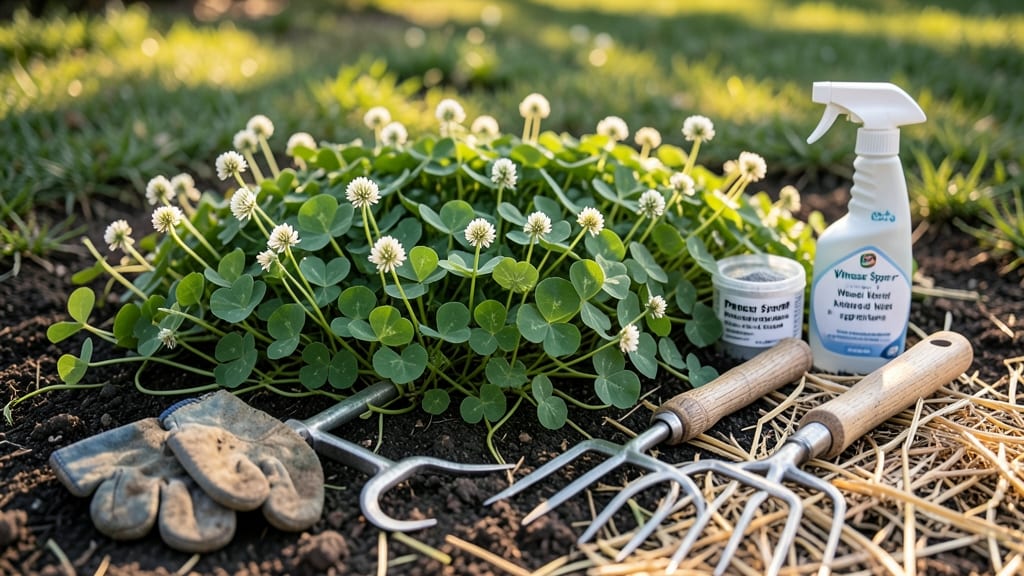
How to get rid of clover in your garden—those tenacious roots are ruining your garden's clean lines. 🌱 I've battled this stubborn weed for years, and the boil-and-pour barrier method finally gave me the fast, chemical-free control I needed—without harming my soil's long-term health. The secret lies in timing and technique: boiling water cuts through clover's deep taproots while smothering regrowth. You'll need a kettle, a long-handled watering can, and a sunny afternoon. No fancy tools, just targeted heat that works within 24 hours of application. By the next watering, you'll see crispy clover leaves and no new sprouts. The barrier stays effective for 3-4 weeks, giving your desired plants time to establish dominance. Even stubborn patches give up after just one treatment. This method works for lawns, flower beds, and vegetable gardens alike. Just avoid pouring on desirable plants—precision is key. Let's reclaim that garden!
Why Clover Takes Over Gardens
Clover might look harmless with its lush green patches and delicate flowers, but it’s a tenacious plant that can quickly dominate your garden if left unchecked. Understanding the science behind its persistence is the first step to reclaiming your lawn or garden.
Here’s why clover thrives where you don’t want it—and how its biology works against your efforts to remove it.
Clover (Trifolium spp.) is a legume with a few key evolutionary advantages that make it nearly impossible to eradicate without the right strategy:
- Deep, Resilient Root System: Unlike many weeds, clover sends down a taproot (in some species) or a dense network of fibrous roots that can extend 6–12 inches deep. This allows it to access moisture and nutrients even in dry conditions, making it drought-resistant.
When you pull clover by hand, you’re often just removing the top growth—the roots regrow, and the plant keeps coming back stronger. - Rapid Seed Germination & Spread: A single clover plant can produce thousands of seeds per season, and they germinate quickly in cool, moist soil (ideal for early spring or fall).
Even if you mow or till the area, dormant seeds in the soil bank can lie in wait for years before sprouting again. - Nitrogen-Fixing Symbiosis: Clover forms a mutualistic relationship with soil bacteria (Rhizobium), which convert atmospheric nitrogen into a usable form for the plant.
This means clover doesn’t compete with grasses—it actually improves soil fertility, making it harder for your desired plants to outcompete it.
Pro Tip: 💡 If your soil is nitrogen-poor, clover will thrive while your lawn or garden plants struggle. Conduct a simple soil test to check nitrogen levels before treating—this helps tailor your removal strategy.
Clover doesn’t just grow—it laughs in the face of adversity. Certain environmental factors create the perfect storm for its dominance:
- Poor Soil Compaction: Clover loves loose, well-draining soil because its roots can spread easily.
If your lawn or garden has compacted soil (common from foot traffic or heavy machinery), clover fills the gaps where grasses can’t take root. - High Sunlight Exposure: Clover thrives in full sun to partial shade, making it a problem in both open lawns and dappled garden beds.
Its broadleaf structure allows it to outcompete shade-tolerant grasses in sunny areas. - Moisture Retention: While it’s drought-tolerant, clover grows most aggressively in moist conditions.
Overwatering or poor drainage can turn your garden into a clover paradise overnight. - Lack of Competition: If your lawn is thin, patchy, or mostly bare soil, clover has zero resistance to spreading. Grasses like Kentucky bluegrass or fescue need dense coverage to block clover’s sunlight and nutrients.
Warning: ⚠️ If your garden has bare spots, thin turf, or recently disturbed soil, clover will move in like an uninvited houseguest—and it won’t leave without a fight.
Sometimes, clover’s takeover is partially our fault. Common gardening and lawn-care mistakes create the perfect conditions for it to spread:
- Over-Fertilizing with Nitrogen: While clover fixes its own nitrogen, excess synthetic nitrogen can actually suppress clover—but only if your grass is healthy.
If you’re over-fertilizing but still have thin grass, you’re just feeding both clover AND weeds. - Skipping Lawn Maintenance: Infrequent mowing allows clover to flower and seed before you can stop it.
Mowing too short (below 2–3 inches) stresses grasses, giving clover an opening. - Using Herbicides Incorrectly: If you’ve sprayed broadleaf herbicides (like 2,4-D) but missed spots, clover can rebound even stronger due to its deep roots. Pre-emergent herbicides (applied in early spring) can help, but they must be consistent. - Tilling or Aerating Without Follow-Up: Disturbing the soil (even for good reasons like aeration) buries seeds and creates space for clover to germinate. Always reseed or sod after tilling to block its return.
Pro Tip: ✨ Prevent clover before it starts by mowing high (3–4 inches), watering deeply but infrequently, and applying a slow-release nitrogen fertilizer to strengthen your grass.
Clover isn’t just tough—it’s strategic. Its life cycle is designed to outlast most removal methods:
| Stage | What Happens | Why It’s Problematic |
|---|---|---|
| Germination | Seeds sprout in 5–10 days in ideal conditions. | Fast growth means it outruns slow-growing grasses. |
| Vegetative Growth | Forms a dense mat of leaves and stems. | Blocks sunlight to other plants. |
| Flowering | Produces white, pink, or purple flowers (late spring–summer). | Each flower head contains 50–100 seeds. |
| Seed Dormancy | Seeds can remain viable in soil for 5+ years. | Even if you remove plants, dormant seeds wait for the right moment. |
| Root Regrowth | If pulled or cut, roots regenerate quickly. | Manual removal is ineffective long-term. |
Key Takeaway: Clover doesn’t just grow back—it evolves resistance to your efforts. To win, you need a multi-step approach that attacks all stages of its life cycle.
Before you declare war, know this: clover isn’t all bad. It:
- Feeds pollinators (bees love its flowers!).
- Prevents soil erosion with its deep roots.
- Adds organic matter when tilled into the soil.
But in a managed garden or lawn, its benefits don’t outweigh its aggressive spread. The goal isn’t just removal—it’s preventing regrowth by fixing the conditions that let it thrive in the first place.
Quick Fixes for Stubborn Clover
Clover might seem harmless, but when it takes over your garden, it can crowd out your plants and make your yard look unkempt. The good news? There are effective, low-effort ways to tackle it—whether you prefer natural methods, manual removal, or a little help from science.
Below, we’ve matched the most common causes of clover invasion with the best solutions to smother, pull, or poison it out for good.
If clover keeps popping up even after you pull it, seeds are likely the culprit. Birds, wind, and even your lawnmower can scatter them far and wide.
🔥 Fix: Prevent Seed Germination with Mulch or Boil-and-Pour Barriers
- Lay Down Cardboard or Newspaper 📰
- Cover bare soil with 2-3 layers of cardboard or thick newspaper before planting.
- Wet it down to prevent seeds from sprouting underneath.
- Top with 2-3 inches of mulch (straw, wood chips, or pine needles) to block sunlight.
- Boil-and-Pour Barrier (Fastest Method) 🔥
- Boil 1 gallon of water with 2 cups of vinegar and 1 tbsp dish soap.
- Pour the mixture directly onto clover patches (avoid desirable plants).
- The acetic acid kills clover on contact while smothering roots.
- Reapply every 3-5 days for stubborn patches.
- Corn Gluten Meal (Prevents Future Growth) 🌾
- Sprinkle 20 lbs of corn gluten meal per 1,000 sq ft in early spring.
- It naturally inhibits seed germination without harming established plants.
Clover loves weak, patchy lawns where grass struggles to grow. If your yard has bare spots, clover will move in fast.
🍳 Fix: Thicken Your Lawn or Use Selective Herbicides
- Overseed with Grass 🌱
- Rake out clover patches, then sprinkle grass seed and top with soil.
- Water daily for 2 weeks to help grass outcompete clover.
- Spot-Treat with Vinegar (Natural Weed Killer) 🍶
- Mix 1 gallon of water + 1 cup white vinegar + 1 tbsp dish soap.
- Spray only on clover (avoid grass—it’ll kill that too!).
- Best for small, isolated patches.
- Selective Herbicide (For Large Lawns) 💊
- Use a 2,4-D-based herbicide (like Ortho Weed B Gon) in late spring/early summer.
- Follow label instructions precisely—this kills broadleaf weeds (like clover) but spares grass.
- Reapply in 7-10 days if needed.
Clover grows best in rich, damp soil—perfect for gardens but also perfect for clover.
✨ Fix: Adjust Soil Conditions or Smother It
- Dry Out the Soil (Starve the Weeds) 💧
- Reduce watering in clover-heavy areas—clover needs moisture to thrive.
- Let the soil dry between waterings to weaken clover roots.
- Solarization (For Serious Infestations) ☀️
- Cover clover patches with clear plastic sheeting for 4-6 weeks in hot sun.
- The trapped heat cooks the roots from the inside out.
- Best for fall or early spring when temps are high.
- Plant Competitive Ground Covers 🌿
- Replace clover with creeping thyme, clover-resistant grasses, or dense mulch.
- These plants outcompete clover for nutrients and space.
Once you’ve banished clover, stop it from returning with these habits: - 🔪 Mow High – Keep grass at 3-4 inches to shade out clover seeds. - 🌡️ Test Soil pH – Clover hates acidic soil (pH < 6.0).
Add sulfur if needed. - 🚫 Avoid Over-Fertilizing – Too much nitrogen = happy clover. Use slow-release, balanced fertilizer. - 🧹 Clean Tools & Shoes – Clover seeds hitchhike!
Rinse tools with soapy water after use. - 🐦 Deter Birds – Use bird feeders away from gardens or netting to reduce seed spread.
Pro Tip: 💡 Combine methods for best results! For example:
- Pull clover manually → Apply corn gluten meal → Mulch heavily = long-term control.
With the right approach, your garden can go from clover jungle to lush paradise in no time! 🌿✨
Frequently asked questions about removing clover
Why does clover keep coming back after I pull it?
Clover has deep roots that regrow quickly, plus it spreads through seeds that can stay dormant in soil for 5+ years. Pulling alone rarely works—combine it with vinegar treatments or mulching to block regrowth. The boil-and-pour method kills roots instantly while preventing new sprouts.
Is vinegar safe to use on my lawn or garden?
Vinegar kills clover but also damages grass and plants. Always apply only to clover patches using a spray bottle for precision. For lawns, use selective herbicides like 2,4-D instead. Test a small area first to check for sensitivity.
How long does it take to see results with the boil-and-pour method?
You'll see wilting within 24 hours and crispy clover in 3-5 days. For stubborn patches, reapply every 3-5 days until the area is clear. The barrier effect lasts 3-4 weeks, giving your desired plants time to establish dominance.
Can I use corn gluten meal in my vegetable garden?
Yes! Corn gluten meal is organic and safe for vegetable gardens when applied in early spring. It prevents seed germination without harming established plants. Use 20 lbs per 1,000 sq ft and water it in lightly for best results.
What's the best time of year to remove clover?
Target clover in late spring or early summer when it's actively growing. This is when it's most vulnerable to treatments. For seed prevention, apply corn gluten meal in early spring before germination begins.