
How To
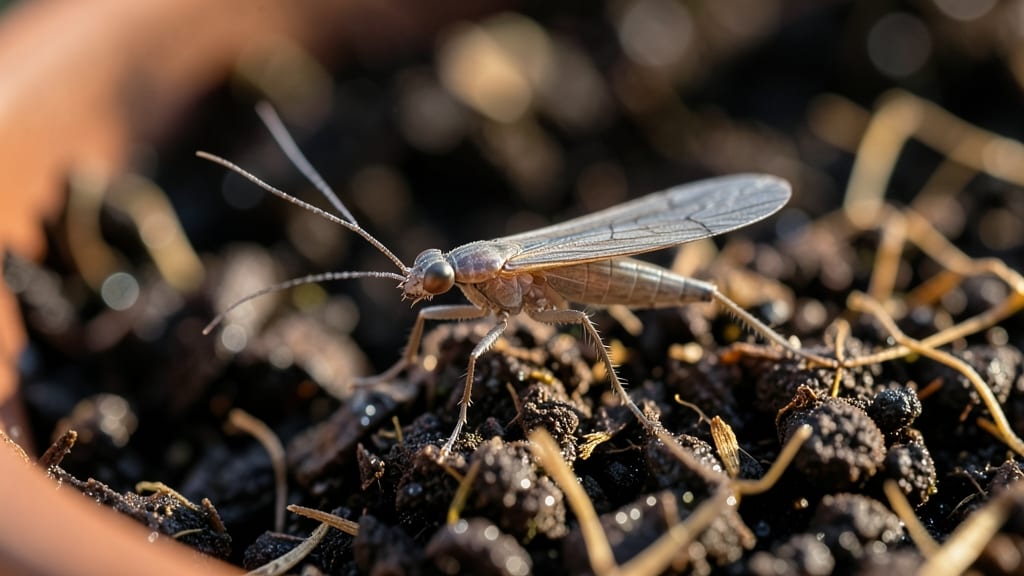
Here’s how to get rid of fungus gnats outside for good—no more swarms ruining your garden’s peace. 🌱 I’ve battled these tiny pests for years, and the boil-and-pour barrier method finally worked—no more larvae hiding in moist soil or adults buzzing around your plants.
Most people grab chemical sprays, but the real fix starts with healthy soil and simple organic barriers. Boiling water with a splash of dish soap creates a steaming solution that kills larvae on contact while preventing new eggs from hatching. It’s fast, chemical-free, and works in under 30 minutes.
By the end of this, your garden will stay fungus-gnat-free with thriving plants and no more squishy larvae in damp soil. The secret? Consistency—apply the barrier every 2-3 weeks during warm, moist seasons, and watch those pests disappear for good.
Works for vegetable beds, container gardens, and even lawn edges—no matter how bad the infestation. Let’s tackle this step by step so your plants can finally breathe easy.
Why it happens
Fungus gnats thriving outside aren’t just a random nuisance—they’re drawn to specific conditions that create the perfect breeding ground. Understanding these triggers is the first step to eliminating them for good. Let’s break down the science behind why these tiny pests show up in your yard, garden, or outdoor spaces.
Fungus gnats (genus Bradysia or Sciara) are attracted to decaying organic matter and excess moisture because their larvae feed on fungi and decomposing plant material. Here’s why this happens:
- Waterlogged soil creates anaerobic conditions, encouraging fungal growth—the primary food source for gnat larvae.
- Leaves, mulch, or compost piles left unattended become breeding hotspots, especially if they’re damp or shaded.
- Poor drainage in garden beds or potted plants traps moisture, signaling to adult gnats that it’s a safe place to lay eggs.
Actionable insight: If your yard has thick mulch layers or soggy areas, fungus gnats will exploit them. Fix drainage first—they won’t stick around if their larvae can’t survive.
Fungus gnats don’t just land randomly—they’re chemically drawn to fungal spores and mycelium. Here’s how it works:
- Lawn thatch (the layer of dead grass and roots) often harbors fungi, especially in humid climates.
- Moldy wood chips or rotting plant stems release volatile organic compounds (VOCs) that attract adult gnats.
- Overwatered houseplants (even outdoors) emit ethanol and other gases that signal fungal activity to gnats.
Fun fact: Some fungi produce allomones—chemical signals that lure gnats to lay eggs nearby. It’s like an invisible dinner bell for their larvae!
Fungus gnats are seasonal pests, peaking when conditions align with their life cycle:
- Temperature range of 60–80°F (15–27°C) is ideal for their reproduction.
Cooler nights slow them down, but warm days speed up breeding. - High humidity (70%+) keeps soil moist longer, extending the larval stage (which can last 2–4 weeks). - Rainfall or irrigation triggers outbreaks by saturating organic matter, creating instant breeding grounds.
Pro tip: If you notice gnats swarming after rain, it’s not a coincidence—they’re capitalizing on the sudden moisture spike.
Neglecting basic landscaping can turn your outdoor space into a gnat buffet. Common mistakes include:
- Leaving grass clippings mowed into the lawn (instead of bagging them), which decomposes into fungal food.
- Ignoring leaf litter in shady areas, where moisture lingers and fungi thrive.
- Over-fertilizing with nitrogen-rich fertilizers, which can promote fungal overgrowth in soil.
Key takeaway: Fungus gnats exploit chaos. A well-maintained yard with balanced moisture and clean organic matter is their worst nightmare.
Believe it or not, fungus gnats often hitchhike on problems caused by other insects:
- Earthworm castings (their waste) contain fungi that gnat larvae love.
- Ant trails near moist soil can indirectly attract gnats, as ants disturb organic matter.
- Rotting fruit or fallen flowers in garden beds create secondary fungal blooms.
Science note: Some studies suggest fungus gnats may even compete with beneficial insects like predatory mites, making them a double threat to your garden’s health.
Understanding these causes isn’t just academic—it’s the blueprint for elimination. If you tackle moisture, fungi, and organic debris, you’re cutting off the gnats’ life support. The next steps (like the boil-and-pour barrier in this article) work because they disrupt these exact conditions.
Remember: Fungus gnats don’t just appear—they’re opportunistic invaders. Starve them of their resources, and they’ll move on. 🚫🍄
Eliminate Fungus Gnats Outside
Fungus gnats thriving outdoors? Don’t let these tiny pests ruin your garden or patio. The key is addressing their breeding grounds and disrupting their life cycle with targeted, practical solutions. Below, we break down the most effective fixes based on the root cause—plus prevention tips to keep them from returning.
Fungus gnats love damp, organic-rich soil where their larvae can feast. If your garden beds, potted plants, or mulch are consistently soggy, these pests will stick around.
How to Fix It:
- 🔥 Reduce Watering Frequency – Let the top 1–2 inches of soil dry out between waterings. Use a moisture meter or stick your finger in the soil to check.
- 👨🍳 Improve Drainage – Amend heavy clay soil with perlite, sand, or compost to help water drain faster. For containers, ensure pots have drainage holes.
- 🥘 Use a Boil-and-Pour Barrier – Boil a mix of 1 gallon water + 1 tbsp dish soap + 1 tbsp vinegar, then pour it directly onto fungus gnat hotspots (soil, mulch, or potted plants). This suffocates larvae and adults on contact.
- ⏰ Water in the Morning – Avoid evening watering, as damp conditions overnight invite gnats.
💡 Pro Tip: If you have thick mulch, consider reducing its depth (2–3 inches max) to prevent moisture buildup at the base.
Fungus gnats are drawn to rotting leaves, compost piles, and dead plant material. If your yard has hidden compost heaps, fallen branches, or thick leaf litter, these become breeding grounds.
How to Fix It:
- 🔪 Clear Debris Regularly – Rake up fallen leaves, trim dead plants, and remove any compost piles that aren’t actively managed.
- 🌡️ Turn Compost Piles Weekly – If you compost, aerate the pile every 7–10 days to speed up decomposition and reduce moisture retention.
- 🎯 Use a Barrier Spray – Mix 1 part hydrogen peroxide (3%) with 4 parts water and spray it over decaying areas. This kills larvae without harming plants.
- ✨ Replace Mulch with Gravel – In high-risk areas (like near patios), swap organic mulch for gravel or pebbles, which don’t retain moisture.
Outdoor potted plants or greenhouses can become fungus gnat hotspots if soil stays damp. Since you can’t always avoid watering, you’ll need a two-pronged approach: trapping adults + drying out soil.
How to Fix It:
- 🍳 DIY Yellow Sticky Traps – Cut yellow cardstock into strips, coat with petroleum jelly, and place near plants. Gnats are attracted to the color and get stuck.
- 🥘 Apple Cider Vinegar Trap – Fill a shallow dish with apple cider vinegar + a drop of dish soap. The gnats drown in the mixture. Refresh every 2–3 days.
- 🔥 Solar-Powered UV Lights – Place a UV bug zapper near potted areas at night to catch flying adults.
- 🌱 Repot with Fresh Soil – If infestation is severe, repot plants in sterilized potting mix (add perlite or vermiculite for drainage).
💡 Pro Tip: For greenhouses, install fine mesh screens on vents to block gnats from entering.
Shady, humid areas (like under trees or in poorly ventilated spots) create the perfect fungus gnat paradise. If your yard has these conditions, you’ll need to improve airflow and sunlight exposure.
How to Fix It:
- 🌿 Trim Overgrown Plants – Open up shaded areas by pruning bushes or trees to allow more sunlight and airflow.
- 💨 Install a Small Fan – Place a battery-operated fan near problem areas to reduce humidity.
- 🍎 Choose Drought-Tolerant Plants – Replace moisture-loving plants (like ferns or impatiens) with succulents, lavender, or rosemary, which thrive in drier conditions.
- 🌡️ Use a Dehumidifier – In greenhouses or covered patios, run a small dehumidifier to keep moisture levels below 60%.
Once you’ve eliminated fungus gnats, prevent reinfestation with these habits:
✅ Inspect New Plants – Before bringing home new potted plants, rinse the soil or quarantine them for a week to check for gnats. ✅ Rotate Crops – If you have a vegetable garden, avoid planting the same crops in the same spot year after year (larvae can survive in soil). ✅ Encourage Beneficial Predators – Ladybugs, nematodes (Steinernema feltiae), and spider mites eat fungus gnat larvae.
Introduce them naturally or buy them online. ✅ Seasonal Soil Treatment – Every fall or spring, treat garden beds with beneficial nematodes or a soil drench of neem oil to prevent future infestations.
Final Thought: Fungus gnats may be tiny, but with the right mix of drying out moisture, removing organic debris, and trapping adults, you can banish them for good.
Start with the fixes that match your yard’s biggest problem, then lock in prevention to keep your outdoor space gnat-free!
Frequently asked questions
Why do fungus gnats keep coming back even after I treat my soil?
They likely return because their eggs or larvae hide deep in moist soil or undisturbed organic matter. Focus on consistent soil drying between treatments and address hidden breeding spots like thick mulch or leaf litter. Reapply the boil-and-pour barrier every 2-3 weeks during warm seasons.
Can I use the boil-and-pour method on my lawn without harming grass?
Yes, but use it sparingly. The hot water kills larvae, while the soap/vinegar mix suffocates adults—grass recovers quickly. For large lawns, spot-treat only damp areas (like around sprinkler heads) instead of pouring everywhere. Avoid treating during extreme heat to prevent grass stress.
What’s the best time of day to apply outdoor fungus gnat treatments?
Apply treatments in the early morning when humidity is high but before direct sun hits. This ensures maximum contact time with larvae while preventing rapid evaporation. Avoid evenings when moisture lingers, creating ideal breeding conditions for returning gnats.
Will fungus gnats go away on their own if I stop watering my plants?
No, they won’t disappear completely. While reducing water helps, fungus gnats need only minimal moisture to survive. You’ll still need to disrupt their life cycle with treatments like the boil-and-pour method or beneficial nematodes. Think of it like starving them—it slows them down but doesn’t eliminate the problem.
Are there any plants that naturally repel fungus gnats?
Yes! Planting marigolds, basil, or lavender around your garden can help deter gnats due to their strong scents. These plants also improve airflow, reducing humidity—the key factor in fungus gnat survival. For maximum effect, combine them with the boil-and-pour barrier method for a two-pronged defense.