
Pests
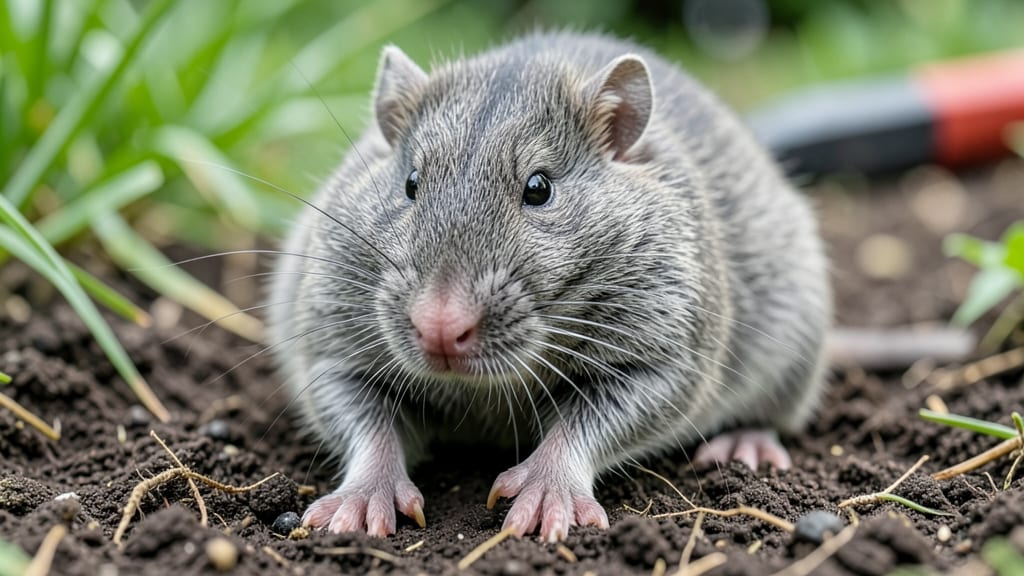
How to get rid of moles in your garden naturally without harming your lawn, roots, or the ecosystem—after years of trial and error (and losing my prize-winning dahlias overnight), here’s what finally worked. The key is disrupting their habitat without chemicals. Castor oil repels them (they hate the taste), while predator deterrents like owls or snakes keep them away. My favorite? A DIY wire barrier buried 12 inches deep—moles dig around it, not through it. You’ll see fewer tunnels within 2-3 weeks, and your plants will thrive without toxic residue. The best part? These methods protect beneficial insects and worms too. Works for lawns, vegetable beds, and flower gardens alike. Let’s get those moles moving elsewhere!
Root Causes Of Mole Infestations
Moles don’t just appear in your garden out of nowhere—they’re drawn by specific conditions that make your yard an all-you-can-eat buffet for their favorite food: grubs, worms, and larvae. Understanding why they’re digging up your lawn helps you address the real problem, not just the symptoms.
Here’s a breakdown of the most common triggers, backed by science and real-world observations.
Moles are insectivores, meaning their diet is 90%+ grubs, beetle larvae, and earthworms. If your lawn is teeming with these critters, moles will move in like a fast-food drive-thru. Here’s what fuels their feast:
- Poor lawn health: Weak, thin, or overwatered grass attracts Japanese beetles and chafer grubs, which moles adore. These pests thrive in compacted or nutrient-poor soil.
- Excessive organic matter: Leaving grass clippings, fallen leaves, or compost piles in your yard creates a grub paradise. Moles follow the food.
- Chemical overuse: Pesticides may kill surface pests, but they can also disrupt the soil ecosystem, causing grubs to multiply uncontrollably when predators (like birds) are wiped out.
Actionable insight: If you’ve got moles, chances are your soil is a grub superhighway. Test your lawn for grubs by slicing a small section of turf—if you see 5+ fat, white grubs per square foot, that’s a mole magnet.
Moles love loose, moist soil because it’s easy to tunnel through. If your yard has these conditions, you’re basically handing them a shovel:
- Clay-heavy soil: Clay retains water and compacts easily, creating ideal tunneling conditions. Moles avoid dry, rocky, or sandy soil.
- Poor drainage: Low spots, slopes, or areas near downspouts stay soggy, mimicking a mole’s natural wetland habitat. They’ll dig here first.
- Heavy foot traffic: Compacted soil from walking, mowing, or pets makes it easier for moles to expand their tunnels without resistance.
Fun fact: Moles can dig up to 15 feet of tunnel per hour—so if your soil is soft, they’ll turn your yard into a maze faster than you can say “volcano hills.”
In nature, moles face threats from foxes, owls, snakes, and domestic dogs. But in suburban gardens, these predators are often absent, giving moles free rein:
- Urban sprawl: Fewer wild predators mean moles reproduce unchecked. A single female can produce 4-5 litters per year with 4-6 pups each!
- Pet dangers: While dogs can scare moles, they also disrupt their tunnels, causing moles to relocate—often to your neighbor’s yard.
- Habitat fragmentation: Paved areas and fences block natural predator movement, creating mole-safe zones.
Pro tip: Encouraging natural predators (like installing owl boxes or planting mole-repelling flowers) can deter moles long-term without chemicals.
While moles don’t eat plants, certain landscapes indirectly invite them by sheltering their prey:
- Thick mulch beds: Wood chips and straw create grub hotspots by retaining moisture and organic debris.
- Ground covers: Plants like hostas, ferns, and ivy provide shade and humidity, making soil more appealing to grubs.
- Unmowed grass: Tall grass hides molehills and gives grubs a protected breeding ground.
Key takeaway: A neat, well-maintained lawn isn’t just about looks—it’s the first line of defense against mole infestations.
Now that you know why moles are crashing your garden party, the next step is flipping the script with natural, humane solutions that target these root causes—without a single drop of poison.
Natural Ways to Banish Garden Moles
Moles may seem like a nuisance, but the good news is you can evict them without resorting to harsh chemicals or traps that harm other wildlife. The key is understanding why they’re in your garden in the first place—and then addressing those triggers with humane, effective solutions.
Below, we break down the most common causes of mole invasions and the best natural fixes to reclaim your yard.
Moles feast on grubs, worms, and larvae—so if your garden is a buffet, they’ll keep returning. Starve them out with these steps:
- 🍳 Reduce Grub Populations - Encourage natural predators: Attract birds (like robins and thrushes) by adding birdhouses or feeders. They love munching on grubs! - Use nematodes: Apply beneficial nematodes (like Heterorhabditis bacteriophora) to your soil.
These microscopic worms kill grubs naturally—no chemicals needed. - Avoid over-fertilizing: Excess nitrogen-rich fertilizer (like lawn food) attracts grubs. Opt for slow-release, organic fertilizers instead.
- 🌱 Plant Mole-Resistant Ground Covers
- Moles dislike sharp, prickly plants like:
- Daffodils (toxic to moles)
- Alliums (garlic, chives, onions)
- Marigolds (deter pests with their scent)
- Plant these in high-risk areas (lawn edges, vegetable beds) to create a natural barrier.
- Moles dislike sharp, prickly plants like:
Moles dig tunnels to hunt for food, so disrupting their routes is one of the fastest ways to send them packing.
- 🔪 Install a Cast-Iron Mole Barrier**
- Bury
- Pro Tip: 💡 Bend the top of the barrier outward (like a funnel) to prevent moles from tunneling over it.
Dig a trench 6–8 inches wide and fill it with: - Coarse sand (hard for them to dig through) - Small gravel or crushed rock - This works best for small gardens where moles haven’t yet tunneled deeply.
Moles have a strong sense of smell, so strong scents can make your garden unappealing. Try these non-toxic repellents:
| Repellent | How to Apply | Reapply Every |
|---|---|---|
| Castor Oil Spray | Mix 2 tbsp castor oil + 1 tsp dish soap + 1 gallon water. Spray tunnels and entry points. | 1–2 weeks |
| Predator Urine | Use fox or coyote urine (available at garden stores). Soak cotton balls and place near tunnels. | 3–5 days |
| Chili Pepper Spray | Blend 1 tbsp cayenne pepper + 1 quart water. Spray directly on tunnels. | 1 week |
| Essential Oils | Mix 5 drops peppermint or clove oil + 1 cup water. Spray around the yard. | 3–4 days |
⚠️ Warning: Avoid mothballs—they’re toxic to pets and children!
If moles are causing immediate damage, flooding their tunnels can force them to relocate.
- 💦 Dig a Shallow Hole over an active tunnel (you’ll see fresh dirt mounds).
- Pour in water until the tunnel fills. Moles will avoid soggy soil.
- Repeat every few days until they move on.
✨ Pro Tip: 🎯 Combine this with castor oil spray for better results!
Once you’ve evicted the moles, keep them from returning with these maintenance strategies:
- 🌿 Keep Your Lawn Healthy - Moles target weak, grub-infested grass. Aerate your lawn annually and overseed with mole-resistant grass (like tall fescue). - 🕷️ Encourage Mole Predators - Owls, snakes, and hedgehogs eat moles.
Install a birdhouse or leave brush piles for wildlife. - 🚫 Avoid Watering at Night - Damp soil attracts grubs, which attract moles. Water early morning instead. - 🔍 Monitor & Act Fast - Check for new mounds weekly.
The sooner you act, the easier it is to block their tunnels before they spread.
By combining food removal, physical barriers, and natural repellents, you can permanently deter moles—without harming your garden’s ecosystem. No chemicals. No cruelty. Just smart, natural solutions!** 🌱🐾
Frequently asked questions
How long does it take for natural mole repellents to work?
Most natural repellents like castor oil or predator urine show results within 3-7 days if applied consistently. Physical barriers (like hardware cloth) work immediately by blocking tunnels, while habitat changes (reducing grubs) may take 2-4 weeks to fully deter moles. Patience is key—moles need time to leave your yard completely.
Are castor oil sprays safe for pets and plants?
Yes! Castor oil is non-toxic to pets and plants when used as directed. The dish soap in the mix helps it stick to tunnels, but avoid spraying directly on foliage. For extra safety, apply sprays in the evening when pets are less active, and always keep them out of treated areas until dry.
Will flooding mole tunnels actually make them leave?
Flooding tunnels is a temporary but effective way to force moles to relocate. They avoid soggy soil, so repeated flooding (every 2-3 days) will push them toward drier areas. Combine this with barriers or repellents for long-term success—moles will eventually move on when their tunnels become unusable.
Can I use coffee grounds as a mole repellent?
Coffee grounds can help short-term because moles dislike the smell, but they’re not a reliable long-term solution. For better results, mix them with chili powder or castor oil to amplify the effect. Sprinkle around tunnels and reapply after rain. However, focus on removing their food source (grubs) for lasting results.
How do I know if molehills are active or old?
Fresh molehills are dry, crumbly, and often steaming (from recent digging), while old ones blend into the lawn. To test, poke a stick into the mound—if it’s soft and easy to penetrate, it’s active. For a visual trick, mark the hill with a stake; if it reappears within 24 hours, moles are still using it.