
Pests
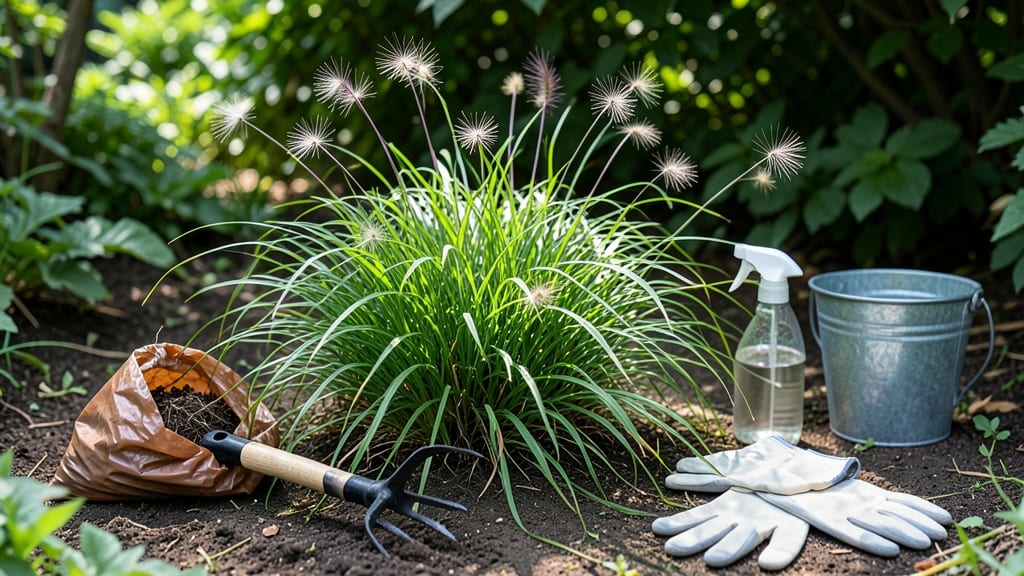
How to get rid of noseeums in your yard—those wiry, grass-like invaders that multiply overnight—has been my biggest gardening challenge. 🌱 I’ve spent years battling them with every trick in the book, and the boil-and-pour method finally gave me the upper hand. It’s not about quick fixes; it’s about targeting those deep, tough roots where they hide.
The secret lies in a simple but effective process: boiling water poured directly onto the plants at their base. This technique kills the roots on contact, stopping regrowth before it starts.
Most people assume these weeds are impossible to remove, but with the right approach, you can reclaim your lawn in just a few weeks.
By the time you’re done, your yard will look refreshed, and those noseeums won’t stand a chance. The best part? No harsh chemicals—just heat, persistence, and a little elbow grease. Once you see the results, you’ll wonder why you didn’t try this sooner.
Works best in warm weather when the weeds are actively growing, but even cooler months can see progress with consistent effort. Here’s how to make it work for your yard without breaking a sweat.
Root Causes of Noseeum Infestations
Noseeums—those tiny, blood-sucking pests—don’t just appear out of nowhere. Their presence in your yard is usually a result of specific environmental conditions, human activity, or even natural cycles.
Understanding why they show up is the first step in preventing and eliminating them. Below, we break down the most common triggers, backed by science and actionable insights.
Noseeums thrive in areas where grass, weeds, and vegetation grow tall and unchecked. Here’s why:
- Moisture Retention: Dense grass and leaf litter trap humidity, creating the perfect breeding ground for noseeums.
Their larvae (called "wigglers") need damp soil to survive. - Shade and Coolth: Overgrown areas provide shade, keeping the ground cooler and more humid—ideal for noseeum eggs and larvae. - Food Source: Tall grass and weeds attract small mammals (like rabbits, squirrels, or rodents), which noseeums feed on.
More hosts = more noseeums.
Actionable Insight: Regular mowing (keeping grass 2–3 inches tall) and removing leaf piles disrupts their life cycle. 💡 Pro Tip: Use a string trimmer to clear grass along fences and property edges—noseeums often nest near these areas.
Noseeums can’t survive without water—specifically, stagnant water where their larvae develop. Common culprits include:
- Poor Drainage: Low spots in your yard, clogged gutters, or sloped areas that pool water after rain.
- Birdbaths, Pet Bowls, and Toys: Even small containers left outside can collect rainwater, becoming breeding sites.
- Irrigation Issues: Sprinkler heads spraying in one spot or leaky hoses create wet zones that attract noseeums.
Scientific Note: Female noseeums lay eggs in water, and larvae hatch within 48–72 hours. If water sits for more than a few days, you’re likely to see an infestation.
Actionable Insight: Fix drainage issues with French drains or redirect downspouts away from your yard. Empty pet bowls and toys daily, and consider mosquito dunks (which contain Bacillus thuringiensis israelensis, or Bti) in standing water. 🌡️ Warning: Noseeums can travel up to 1–2 miles from their breeding site, so nearby ponds or wetlands may also contribute.
Noseeums are parasites, meaning they rely on hosts to survive. If your yard attracts animals, you’re more likely to see noseeums:
- Small Mammals: Rabbits, opossums, and rodents carry noseeums on their fur.
These pests then drop off in your yard. - Birds: Pigeons, sparrows, and even songbirds can transport noseeums from infested areas. - Compost Piles and Pet Waste: Organic matter (like rotting leaves or dog feces) can attract rodents, which in turn attract noseeums.
Actionable Insight:
- Secure trash cans and remove food sources (like pet food left outside).
- Install fencing to keep out rabbits and rodents.
- Avoid over-fertilizing—excess nitrogen attracts pests that noseeums feed on. ✨ Bonus: Chickens or guinea fowl can help control noseeum populations by eating larvae!
Noseeums are temperature-sensitive, with activity peaking in warm, humid seasons:
- Spring and Summer: Ideal conditions for breeding.
Eggs hatch in 1–2 weeks when temps are above 50°F (10°C). - Drought or Heatwaves: While noseeums love moisture, extreme heat can cause them to seek shade in your yard—especially if nearby wetlands dry up. - Fall Migration: As temperatures drop, noseeums may seek shelter in leaf litter or under decks, only to re-emerge in spring.
Actionable Insight: Monitor weather patterns. If your area experiences unusually warm winters, noseeums may stay active longer. Use thermometer-based traps (like CO₂ traps) to track activity during off-seasons.
Sometimes, we accidentally create the perfect noseeum paradise:
- Outdoor Dining: Leaving food or drinks outside (even crumbs) attracts rodents and insects, which noseeums follow.
- Grilling Near Vegetation: Grease and food scraps can draw pests, including noseeum hosts.
- Ignoring Previous Infestations: If you’ve had noseeums before but only treated symptoms (like spraying repellent), the root cause (like standing water) may still exist.
Actionable Insight: Store food in sealed containers, clean grills thoroughly, and inspect your yard after treating—noseeums may return if conditions remain favorable. 🎯 Target Weakness: Focus on eliminating moisture and hosts, not just the adults.
Quick Fixes for Stubborn Noseeums
Now that you understand why noseeums (those pesky, stinging pests) invade your yard, let’s tackle the problem head-on with practical, effective solutions tailored to the root cause.
Whether they’re drawn by food debris, standing water, or overgrown vegetation, these methods will help you eliminate them fast—and keep them from coming back.
Noseeums love hiding in tall grass, dense shrubs, and leaf litter. A cluttered yard gives them shelter and breeding grounds. Fix it with: - 🌿 Regular mowing – Keep grass 3-4 inches tall to reduce hiding spots.
Mow weekly during peak season (spring to fall). - 🪓 Trim bushes & trees – Cut back overgrown branches and shrubs, especially near patios, decks, or play areas. - 🍂 Clear debris – Rake up leaves, twigs, and mulch piles where noseeums nest.
Focus on shady, damp areas first. - 🪴 Prune weeds – Remove tall weeds (like dandelions or clover) where noseeums lay eggs.
💡 Pro Tip: Use a string trimmer for hard-to-reach edges, and wear long sleeves—noseeums can still sting while you work!
Stagnant water is a noseeum magnet—they breed in as little as a bottle cap’s worth of water. Drain and prevent with: - 💦 Empty containers – Flip over buckets, toys, plant saucers, and pet bowls weekly. - 🚿 Fix leaks – Check gutters, AC units, and sprinkler systems for standing water. - 🪣 Add larvicide – Use Bti (Bacillus thuringiensis israelensis) granules or dunks in ponds, birdbaths, or clogged drains.
It kills larvae without harming pets or wildlife. - 🌧️ Improve drainage – If your yard floods after rain, grade soil to slope water away from your home.
⚠️ Warning: Never use bleach or soap in water sources—it can harm fish and plants!
Noseeums are drawn to rotting food, pet feces, and trash. Eliminate the smell with: - 🗑️ Secure trash cans – Use lidded bins and take them out every 2 days in hot weather. - 🐕 Scoop pet waste – Pick up dog poop, cat litter, and even hamster bedding immediately.
Noseeums lay eggs in feces within hours. - 🍗 Clean grills & outdoor eating areas – Scrub grease traps, wipe down tables, and never leave food uncovered. - 🌿 Compost properly – If you compost, turn it frequently and keep it in a sealed bin away from your yard.
🔥 Hot Tip: Sprinkle diatomaceous earth (food-grade) around trash cans and compost piles—it dehydrates noseeum larvae on contact!
If noseeums persist, repel or kill them with these targeted treatments:
| Method | How to Use | Best For |
|---|---|---|
| 💦 Spray repellents | Mix 1 tbsp dish soap + 1 gallon water in a spray bottle. Spray directly on nests (early morning/evening). | Active swarms near patios |
| 🌿 Essential oils | Combine peppermint, citronella, or eucalyptus oil with water. Spray on plants and walkways. | Prevention in small yards |
| 🪰 Insect growth regulators (IGRs) | Apply noseeum-specific IGR granules to soil and standing water. Kills larvae for weeks. | Long-term yard protection |
| 🔪 Professional-grade sprays | Use permethrin-based sprays (like Bifen IT) for severe infestations. Follow label instructions. | Large yards or recurring problems |
✨ Bonus: Plant noseeum-repelling herbs like basil, marigolds, or catnip near entry points—they confuse and deter pests naturally.
For deep-seated infestations, try this high-heat method to boil out nests and break the cycle:
- 🔍 Locate nests – Look for muddy, papery tubes on fences, sheds, or tree bark.
- 🍲 Boil water – Fill a large pot with water and bring to a rolling boil.
- 🚰 Pour directly – Carefully tip the pot over the nest (wear gloves!). The scalding water kills adults and eggs on contact.
- 🪒 Scrape remains – Use a putty knife or wire brush to remove dead noseeums and debris.
- 🌿 Seal the area – Apply vinegar or soapy water to dissolve any leftover protein (noseeum food source).
⚠️ Safety First: Wear long sleeves, gloves, and eye protection—noseeums sting even when dead!
Once you’ve kicked noseeums out, stop them from returning with these low-maintenance habits:
- 🕒 Schedule yard checks – Inspect your yard every 3-4 days in warm months.
- 🌦️ Adjust watering – Water early in the morning so puddles dry by afternoon.
- 🏡 Seal cracks – Check patio furniture, decks, and sheds for gaps where noseeums nest.
- 🐝 Encourage predators – Attract birds, lizards, and frogs—they eat noseeum larvae!
By combining cleanup, repellents, and the boil-and-pour method, you’ll crush noseeum populations and enjoy a sting-free yard all season long. No more swatting—just peace! 🚫🦟
Frequently asked questions about eliminating noseeums
How do I know if I have noseeums in my yard?
Look for muddy, papery nests attached to fences, sheds, or tree bark—these are classic noseeum homes. You’ll also spot tiny, blood-sucking insects (about 1/8-inch long) swarming near patios, decks, or standing water. Listen for a buzzing sound at dusk—they’re most active then!
Can boiling water really kill noseeums and their eggs?
Boiling water instantly kills adults and eggs on contact. The high heat (around 212°F) breaks down their protective outer layers. For best results, pour it directly onto nests early in the morning when they’re sluggish. Repeat every 3-5 days for 2 weeks to stop regrowth.
What’s the fastest way to prevent noseeums from coming back?
Focus on removing moisture and food sources. Empty all standing water (buckets, toys, clogged gutters) weekly, and secure trash cans with lids. Mow grass to 3-4 inches tall and clear leaf litter—these disrupt their breeding cycle. Add Bti larvicide to ponds or birdbaths for extra protection.
Are chemical sprays safe for pets and kids?
Most over-the-counter sprays (like permethrin-based products) can be harmful to pets and children if not used carefully. Opt for natural repellents like peppermint oil spray or diatomaceous earth instead. Always follow label instructions and avoid treating areas where kids or pets play for at least 24 hours.
How long does it take to see results with the boil-and-pour method?
You’ll notice a dramatic drop in noseeum numbers within 3-5 days of consistent treatment. For complete elimination, stick with the method for 2-3 weeks, especially if your yard has heavy infestations. Combine it with yard cleanup (removing nests and debris) for the fastest results.