
How To
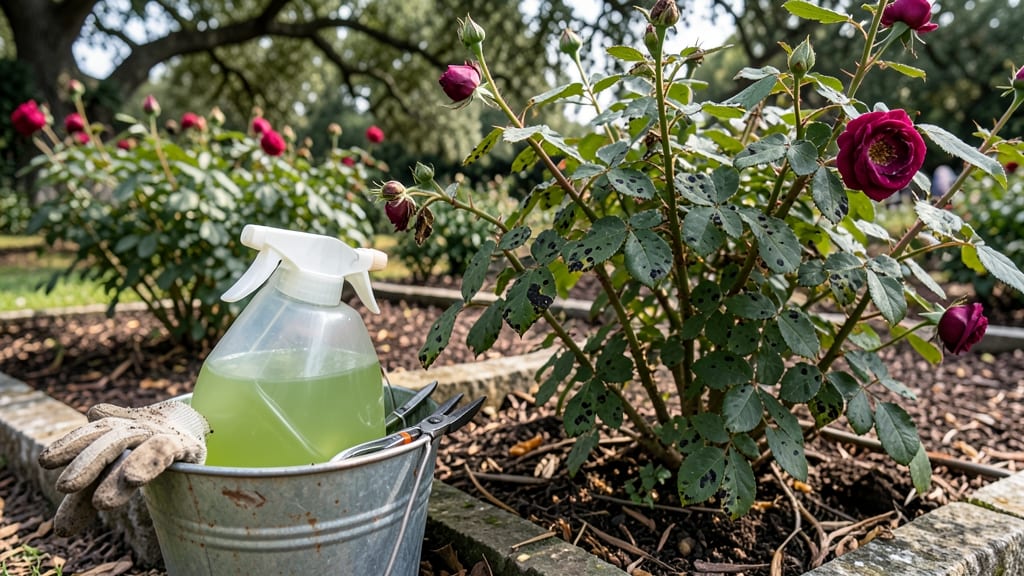
How to get rid of rose fungus—before it turns your lush bushes into sad, spotted messes in weeks. ✨ I’ve lost count of the times I’ve watched my prized roses go from vibrant to wilted thanks to black spot, powdery mildew, or rust—until I discovered this one trick that stops spores dead in their tracks.
The secret? A boil-and-pour barrier made from common household items that creates a protective shield around your plants. No fancy (or toxic) chemicals needed—just heat, water, and a little patience. This method works on all three major rose fungi and keeps them from spreading to your other garden favorites.
Within 7-10 days, you’ll see new growth pushing through clean, disease-free leaves. The best part? Once you set it up, maintenance is minimal—just a quick refresh every few weeks. Your roses won’t just survive; they’ll thrive with fewer spots and more blooms than ever before.
Works for container roses, trellised climbers, or sprawling shrubs—no matter your setup. Here’s exactly how to make it happen without sacrificing your weekend (or your sanity).
Root Causes Of Rose Fungus
Rose fungus—whether black spot, powdery mildew, or rust—doesn’t just appear out of nowhere. It thrives because of specific conditions that create the perfect storm for fungal spores to germinate, spread, and wreak havoc on your prized roses.
Understanding these triggers is the first step to preventing an outbreak. Let’s break down the real culprits behind your roses’ fungal woes.
Fungi love moisture—too much moisture. When rose bushes sit in soggy soil for extended periods, the excess water creates a damp, humid microclimate that fungal spores adore. Here’s why it’s a problem:
- Stagnant water prevents soil from drying between waterings, keeping fungal spores hydrated and active.
- Root rot (often caused by Phytophthora or Pythium) weakens roses, making them more susceptible to secondary fungal infections like black spot.
- Splashback from overhead watering or rain can fling spores from infected leaves onto healthy foliage, accelerating spread.
💡 Pro Tip: Water at the base of the plant in the morning (not evening) to allow foliage to dry quickly. Aim for 1–1.5 inches of water per week, including rainfall, and ensure your soil has good drainage—amend heavy clay with compost or sand if needed.
Fungal spores need humidity levels above 75% for prolonged periods to germinate. If your roses are tucked into a shaded, enclosed space (like a greenhouse or dense garden bed), stagnant air traps moisture and creates a fungal paradise. Key offenders:
- Powdery mildew thrives in humid conditions (60–90% humidity) and spreads via airborne spores.
- Black spot (Diplocarpon rosae) requires leaf wetness for 9–12 hours to infect new tissue.
- Poor airflow from overcrowded plants or thick mulch layers prevents evaporation, keeping leaves damp longer.
🌡️ Science Note: Fungal spores release enzymes that break down plant cell walls—humidity softens leaves, making them easier targets.
Healthy roses resist fungal attacks, but stressed plants become easy prey. Overcrowding and nutrient deficiencies weaken defenses:
- Competition for resources (water, sunlight, nutrients) leads to chlorosis (yellowing leaves), making roses more vulnerable to infections.
- Nitrogen deficiency reduces leaf toughness, while potassium deficiency weakens cell walls—both prime roses for fungal entry.
- Physical damage (from pruning cuts or pests) creates entry points for spores.
✨ Fix It: Prune for airflow, space roses 3–4 feet apart, and fertilize with a balanced 10-10-10 formula in early spring. Avoid high-nitrogen fertilizers late in the season, which promote tender new growth fungi love.
Fungal spores are tiny but mighty—they hitchhike on pruners, gloves, and even wind. Here’s how they spread:
- Pruning tools carry spores from infected leaves to open wounds on healthy stems.
- Mulch or compost made from diseased plant material can reintroduce spores to the soil.
- Wind or rain blows spores from nearby infected plants or garden tools.
🔥 Prevention: Always sterilize tools with 70% isopropyl alcohol or a 10% bleach solution between uses. Remove and dispose of infected leaves (don’t compost them!) and replace mulch if it’s been sitting under diseased plants.
Fungi don’t just pick one season—they time their attacks based on weather. Key triggers:
- Cool, wet springs (50–75°F) are ideal for black spot and rust spores to germinate.
- Hot, humid summers (above 80°F) fuel powdery mildew outbreaks.
- Frequent rain or dew keeps leaves wet longer than spores need to infect.
🎯 Actionable Tip: Monitor your local fungal forecast (many extension services provide alerts). If spores are active, water in the morning and apply fungicides preventively before symptoms appear.
How to Fix Rose Fungus Fast
Rose fungus—whether it’s black spot, powdery mildew, or rust—can turn your prized roses into a sad, spotty mess. But don’t panic! With the right approach, you can smother spores, restore health, and prevent future outbreaks.
Below, we break down solutions by cause, so you can act fast and keep your roses thriving. 🌿💪
Fungal spores love hiding in fallen leaves, stems, and mulch. Before treating, eliminate the breeding ground:
- 🗑️ Prune infected leaves and stems—cut them off at the base (don’t compost them; throw them in the trash or burn them).
- 🌬️ Rake up fallen leaves and debris from the soil surface. Fungus thrives in damp, shaded spots.
- 💦 Avoid watering leaves—use a soaker hose at the base of the plant to keep foliage dry.
Pro Tip: 💡 If your roses are severely infected, consider shearing back 1/3 of the plant to improve airflow and sunlight penetration.
This high-heat, high-impact method kills spores on contact and creates a protective layer. Here’s how:
🔥 Recipe: Boil-and-Pour Fungicide
Mix in a pot:
- 1 gallon of water
- 1 tablespoon baking soda (helps raise pH, making the environment hostile to fungus)
- 1 tablespoon neem oil (natural antifungal/fungistatic)
- 1 tablespoon dish soap (like Dawn—helps the mix stick to leaves)
- 1 tablespoon vinegar (white or apple cider—adds acidity)
Instructions:
- 🔥 Boil the water, then remove from heat.
- 👨🍳 Stir in all ingredients until fully dissolved.
- ⏰ Let it cool to lukewarm (too hot will burn leaves).
- 🥘 Pour directly onto infected leaves and stems, coating both sides thoroughly.
- 🌧️ Repeat every 7–10 days until new growth appears (usually 2–4 weeks).
Why It Works: The heat kills spores on contact, while neem oil and baking soda disrupt fungal cell walls. The vinegar lowers pH, making it harder for spores to survive.
Fungus loves humidity, poor airflow, and wet foliage. Flip the script with these tweaks:
- 🌞 Improve airflow—space roses 3–4 feet apart and prune to open up the center.
- ☀️ Maximize sunlight—fungus thrives in shade. If your roses are in a low-light spot, consider relocating or adding a reflective surface (like white plastic) nearby.
- 💦 Water deeply but early—soak the soil in the morning so leaves dry by night.
- 🌱 Mulch properly—use 2–3 inches of organic mulch (straw or pine needles) but keep it away from the stem to prevent moisture buildup.
Pro Tip: 🌡️ If humidity is an issue, a small fan on low near the roses (or even a gentle breeze from an open window) can dry leaves faster and deter fungus.
Once your roses are fungus-free, lock in their health with these preventative power moves:
🌿 Cultural Fixes
- 🌱 Plant resistant varieties—look for roses labeled “disease-resistant” (e.g., ‘Knock Out’ roses, ‘Earth-Kind’ hybrids).
- 🍄 Avoid overhead watering—stick to drip irrigation or soaker hoses.
- 🔄 Rotate treatments—if you use chemical fungicides, alternate with natural remedies (like neem oil) to prevent resistance.
💡 Natural Repellents
Keep fungus at bay with these spray-on shields:
- 🍋 Lemon juice spray—mix 1 cup lemon juice + 1 gallon water, spray weekly.
- 🌿 Garlic spray—blend 1 crushed garlic clove + 1 quart water, strain, and spray.
- 🍄 Copper fungicide—use copper-based sprays (like Bonide Copper Fungicide) every 2 weeks during rainy seasons.
📅 Seasonal
Frequently asked questions
Can I use this boil-and-pour method on all types of rose fungus?
Yes! This treatment works against black spot, powdery mildew, and rust—the three most common rose fungi. The heat and active ingredients disrupt spores across all types, though severe rust cases may need 2-3 applications spaced 5 days apart for full control.
How soon will I see results after using the boil-and-pour solution?
You’ll typically notice new growth appearing within 7-10 days, but complete clearance may take 2-4 weeks. The key is consistency—apply every 7-10 days until you see 3-4 inches of fresh, spot-free leaves. Patience pays off for lasting results!
Is it safe to use this method if I have pets or kids around?
Yes, but with precautions. The ingredients (baking soda, neem oil, vinegar) are pet-safe when used as directed, but avoid spraying directly on flowers if pets might ingest them. Always test a small leaf area first and rinse off any accidental contact with water. The dish soap is the only component that might irritate sensitive skin.
What should I do if my roses keep getting fungus even after treatment?
Persistent fungus usually means environmental conditions aren’t right. Check for poor airflow (prune to open center), overhead watering (switch to soaker hoses), or shaded spots. If issues continue, try copper fungicide as a last resort—it’s more aggressive but effective. Also consider resistant rose varieties like 'Knock Out' roses for future plantings.
Can I make this solution in advance and store it?
No—this mixture should be used fresh within 24 hours of boiling. The heat kills spores on contact, and neem oil loses effectiveness when stored. Mix only what you’ll use immediately, and always cool to lukewarm before applying to avoid leaf burn.