
How To
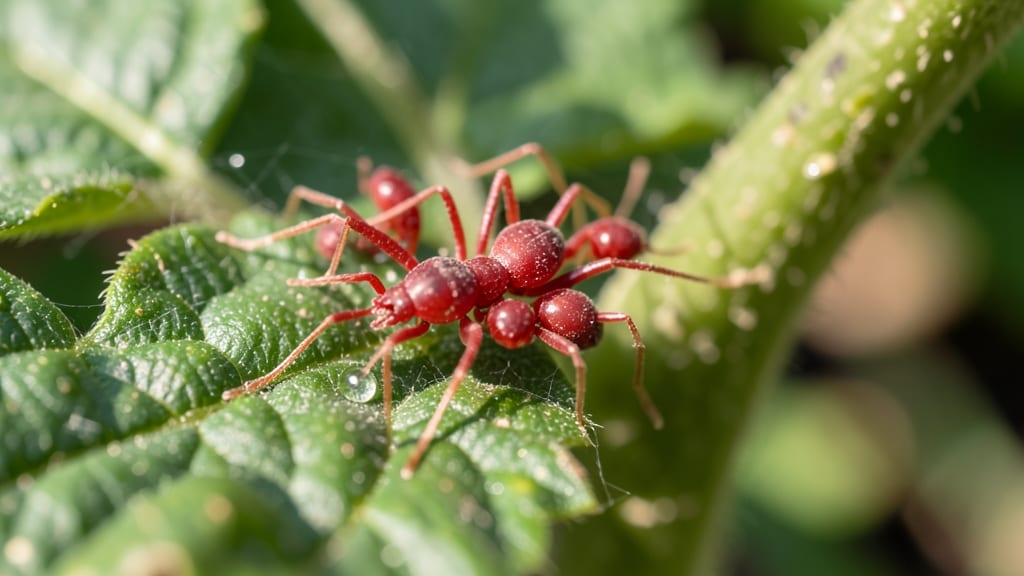
Those tiny red bugs swarming your garden aren’t just annoying—they’re sucking life from your plants. 🌿 I’ve battled them for years, and I’ve found the fastest way to get rid of them outside without harsh chemicals. The key is understanding their weaknesses and using what they can’t resist.
Most people grab sprays first, but that misses the real solution: traps and natural deterrents that work overnight. Yellow sticky traps, diatomaceous earth, and even a simple soapy water spray can turn the tide in under 48 hours—no waiting weeks for results.
The secret? Target their movement patterns and feeding habits. By the end of this, your garden will look revived, with fewer bugs and healthier plants. You’ll know exactly what to spray, where to place traps, and how to keep them from coming back.
No more helplessly watching your greens turn brown. Works for vegetable gardens, flower beds, and even patio plants—no matter how bad the infestation looks right now. Let’s get started with the foolproof methods that actually work.
Root Causes Of Tiny Red Invaders
Those pesky tiny red bugs—whether they’re harlequin bugs, chinch bugs, fire ants, or aphids—don’t just appear out of nowhere. Their presence is usually a sign of underlying conditions in your yard, garden, or home’s exterior.
Understanding why they show up is the first step to stopping them for good. Let’s break down the science behind their sudden appearances.
Many tiny red bugs thrive in damp, soggy environments. Chinch bugs, for example, love lawns that stay wet for extended periods because their larvae need moisture to survive. Fire ants also favor moist soil when establishing colonies, as it helps protect their mounds from drying out.
Even aphids (which can appear red when stressed) prefer plants with high humidity.
Why does this happen?
- Poor drainage: If your yard has clay-heavy soil or slopes that cause water pooling, excess moisture creates the perfect breeding ground.
- Overwatering: Watering too frequently (especially at night) keeps soil damp longer than necessary, signaling bugs that it’s a safe place to nest.
- Irrigation issues: Sprinklers that mist foliage instead of watering roots can create a humid microclimate, attracting moisture-loving pests.
Pro Tip: 💡 Test your soil’s moisture by grabbing a handful—if it stays clumped in your fist, it’s too wet. Adjust watering schedules to early morning (before 10 AM) and let soil dry between sessions.
Plants under stress—whether from disease, nutrient deficiencies, or physical damage—emit chemical signals that aphids, spider mites, and other tiny red pests detect as a dinner bell. These bugs often target:
- Newly planted seedlings (tender and nutrient-rich).
- Drought-stressed plants (which produce more sugars in their sap, making them sweeter targets).
- Over-fertilized lawns (excess nitrogen attracts chinch bugs and other grubs).
Why does this happen?
When plants are unhealthy, their phloem sap (the plant’s "bloodstream") becomes easier to access. Aphids and harlequin bugs, for instance, insert their mouthparts into plant stems to suck out this sap, but stressed plants can’t fight back as effectively.
Additionally, damaged plants often produce volatile organic compounds (VOCs) that act like a distress signal, luring predators (and sometimes their prey) to the area.
Pro Tip: 🌡️ Monitor plant health regularly—yellowing leaves, stunted growth, or wilting are red flags (pun intended) that your greenery is vulnerable.
Tiny red bugs don’t just wander randomly—they’re drawn to areas where they can hide, feed, and reproduce without much competition. Common attractants include:
- Piles of debris (leaves, mulch, or wood chips) that provide shelter and moisture.
- Cracks in foundations or walkways where they can nest undisturbed.
- Pet food or standing water (even a shallow puddle can become a breeding site for mosquitoes or ants that attract predators).
- Landscaping with host plants (e.g., chinch bugs love St. Augustine grass; aphids adore roses or basil).
Why does this happen?
Bugs follow a simple survival strategy: safety + sustenance. For example, fire ants build mounds near structures because concrete retains heat and moisture, mimicking their natural underground habitats.
Meanwhile, harlequin bugs (which are actually stink bugs) lay eggs on plants like tomatoes or peppers because these crops provide both food and protection for their nymphs.
Even aphids are opportunistic—they hitch rides on wind currents or animals to reach new plants, but they’ll stay put if a food source is abundant. A single infested plant can become a buffet, leading to rapid population growth.
Pro Tip: ✨ Conduct a "bug audit" of your yard: Remove leaf litter, seal gaps in siding, and store firewood away from your home’s foundation.
Tiny red bugs are cold-blooded, meaning their activity levels spike when temperatures rise. Spring and summer create ideal conditions for:
- Rapid reproduction: Many species (like chinch bugs) lay eggs in early summer, and nymphs emerge within weeks.
- Increased mobility: Warmer air helps aphids and mites spread faster via wind or crawling.
- Dormant predators waking up: Birds, ladybugs, and parasitic wasps (which eat red bugs) become active, but if their natural food sources are scarce, they may turn to your plants instead.
Why does this happen?
Temperature plays a critical role in insect life cycles. For instance:
- Fire ants thrive in temps above 70°F (21°C) because their colonies grow faster.
- Aphids reproduce asexually in warm conditions, leading to exponential growth.
- Harlequin bugs seek out warm microclimates (like south-facing walls) to overwinter as adults.
Additionally, drought stress in plants during hot spells makes them even more attractive to pests. If your lawn or garden is already struggling with heat, you’re more likely to see an influx of tiny red invaders.
Pro Tip: 🎯 Time your pest control efforts: Early spring (before eggs hatch) and late summer (when nymphs are vulnerable) are the best windows to intervene.
Quick Fixes for Tiny Red Invaders
Tiny red bugs—whether they’re harlequin bugs, chinch bugs, or fire ants—can turn your outdoor space into a battleground. But don’t panic! With the right approach, you can reclaim your yard, garden, or patio without harsh chemicals.
Below, we’ve mapped out practical, natural solutions tailored to the most common causes of these pesky visitors.
Cause: Overwatered lawns, rotting wood, or damp mulch create the perfect breeding ground for moisture-loving bugs like chinch bugs or fungus gnats.
Fix:
- 🔥 Drain the Problem – Use a hose to soak the soil and encourage proper drainage. If water pools after rain, consider adding sand or gravel to improve soil aeration.
- 🍳 Remove Debris – Clear away fallen leaves, rotting logs, and old mulch from garden beds. Store firewood at least 20 feet away from your home.
- 👨🍳 Adjust Watering – Water deeply but less frequently (early morning is best). Let the top inch of soil dry out between waterings to discourage moisture-loving pests.
💡 Pro Tip: If you have a compost bin, turn it regularly to prevent excess heat and moisture—this makes it less attractive to bugs.
Cause: Many tiny red bugs, like aphids or spider mites, thrive on sap-sucking plants, weakening your garden over time.
Fix:
- 🔪 Handpick & Squish – For small infestations, wear gloves and crush bugs between your fingers (gross but effective!). Drop them into soapy water to kill them instantly.
- 🥘 Introduce Beneficial Insects – Ladybugs, lacewings, and parasitic wasps love eating tiny red pests. Buy them online or attract them with neem oil sprays (mild and organic).
- 🌡️ Spray Homemade Repellents – Mix 1 tsp dish soap + 1 quart water + a few drops of peppermint oil in a spray bottle. Test on a small plant first—some varieties are sensitive.
✨ Bonus: Diatomaceous earth (food-grade) is a powdery, non-toxic barrier that dehydrates bugs. Sprinkle lightly on soil (reapply after rain).
Cause: Cracks in siding, gaps in window screens, or piles of outdoor clutter give bugs easy access to your home’s foundation.
Fix:
- 🔧 Seal Entry Points – Use caulk or weatherstripping to close cracks in doors, windows, and vents. Pay extra attention to utility lines (pipes, cables) where bugs can sneak in.
- 🧹 Declutter Outside – Store tools, toys, and firewood away from the house. Keep gutters clean—standing water in them attracts bugs.
- 🎯 Set Up Traps – Yellow sticky traps (available at garden stores) lure and trap flying insects. Place them near problem areas (e.g., patio lights, plant beds).
💡 Pro Tip: Citrus or vinegar sprays (1:1 ratio with water) can deter bugs when applied to foundation perimeters—the strong scent confuses them!
Cause: Many tiny red bugs, like fireflies or carpenter ants, are drawn to outdoor lights, especially at dusk.
Fix:
- 🔄 Switch to Bug Lights – Use yellow or red LED bulbs (they emit less UV light, which attracts fewer insects).
- 🏡 Relocate Lights – Move porch lights under an overhang or use shielded fixtures to minimize outdoor attraction.
- 🌿 Add Bug-Repelling Plants – Basil, mint, lavender, and marigolds naturally deter insects. Plant them near entryways and seating areas.
✨ Extra Defense: A small fan near outdoor seating can create a wind barrier—bugs avoid strong airflow!
Once you’ve kicked the bugs out, keep them away with these habits: ✅ Mow high (3–4 inches) to discourage chinch bugs and ants. ✅ Inspect plants weekly for early signs of infestation (sticky residue = aphids). ✅ Avoid over-fertilizing—rich soil attracts more pests. ✅ Rotate traps every 2–3 weeks for maximum effectiveness.
Final Thought: Tiny red bugs may be persistent, but with targeted fixes and consistent prevention, you can enjoy a bug-free outdoor space—naturally and safely. 🚀
Frequently asked questions
Are these tiny red bugs harmful to my plants or pets?
Most tiny red bugs like aphids or chinch bugs can damage plants by sucking sap, causing wilting or yellowing. However, they’re rarely dangerous to pets—just unpleasant to see! Some species (like fire ants) can sting, so keep pets away from mounds. Always identify the bug first before treating.
How do I tell if my tiny red bugs are fire ants vs. something else?
Fire ants build mounds with tiny piles of soil and have a distinctive red color with black abdomens. They also sting aggressively when disturbed. Other red bugs (like harlequin bugs) are flatter, shield-shaped, and don’t build mounds. Check for these clues to confirm.
Will yellow sticky traps work for all tiny red bugs?
Yellow sticky traps catch flying bugs like aphids or whiteflies, but they’re less effective for crawling pests (e.g., chinch bugs or fire ants). For ground-dwelling bugs, use diatomaceous earth or soapy water sprays instead. Place traps near plants or lights for best results.
Can I use vinegar to kill tiny red bugs?
Yes! A 1:1 vinegar-water mix sprayed directly on bugs kills them on contact. However, it won’t prevent future infestations—combine it with neem oil or dish soap sprays for long-term control. Avoid spraying vinegar on plants sensitive to acidity (like citrus).
When should I call a professional for tiny red bugs?
Call an exterminator if you see fire ant mounds larger than a softball, persistent infestations despite treatments, or if bugs keep returning after 3+ weeks of DIY efforts. Large-scale problems (like chinch bug outbreaks) often require professional-grade solutions.