
Pests
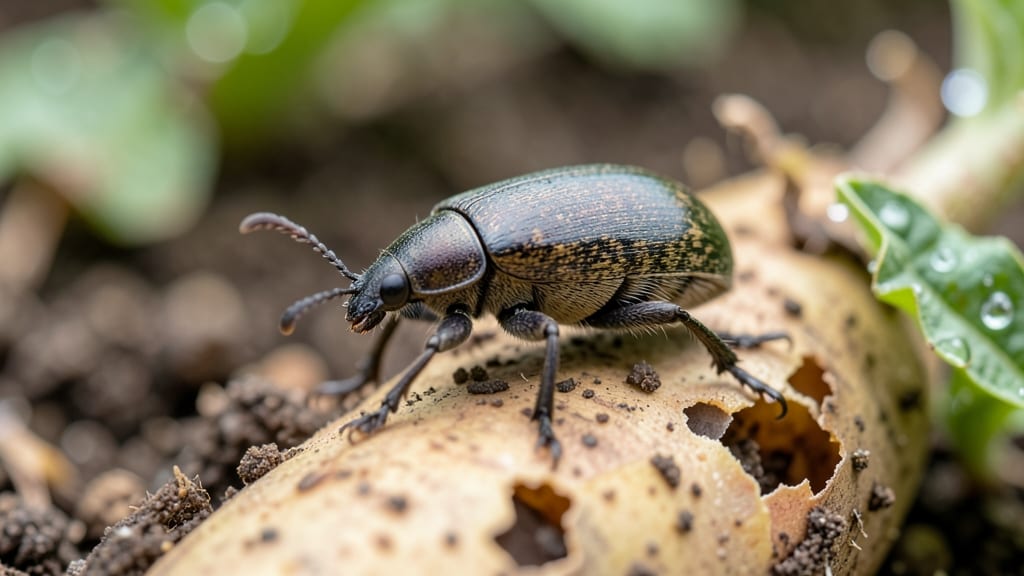
How to get rid of weevils in the garden before they destroy your plants is all about early action—those tiny black beetles can turn lush foliage into skeleton leaves in days. I’ve seen vine weevils wreak havoc unseen until it’s too late, but the good news? You can outsmart them with simple, chemical-free traps that lure them away. Most gardeners make one critical mistake: waiting until the damage is done before acting. Weevils thrive in moist soil and mulch, so the first step is removing their hiding spots. A classic beer trap works surprisingly well—just bury a shallow container filled with beer near infested plants. They’ll crawl in, drown, and you’ll catch them before they multiply. Within a week, you’ll see fewer chewed leaves and more healthy growth. The traps work best in early evening when weevils are most active, and they’re completely safe for pets and kids. For stubborn infestations, combine traps with nematodes—a natural soil treatment that targets larvae before they hatch. Prevention is key, too: avoid overwatering, remove plant debris, and rotate crops. Once you’ve got the weevils under control, your garden will bounce back stronger than ever. Let’s get those pests out of your soil for good.
The Hidden Triggers Inviting Weevils
Garden weevils—those tiny, destructive beetles—don’t just appear out of nowhere. Their presence is often a direct response to specific conditions in your garden. Understanding why they show up is the first step to outsmarting them.
Below, we break down the science-backed reasons these pests invade your plants, from what they crave to how your garden’s environment signals "all-you-can-eat buffet."
Weevils, particularly the listronotus bonariensis (commonly known as the Argentine stem weevil) and otiorhynchus sulcatus (the vegetable weevil), are plant specialists. They target gardens rich in their preferred hosts, which include:
- Leafy greens: Lettuce, cabbage, spinach, and kale are prime targets because weevils feed on tender foliage and lay eggs in the soil near roots.
- Root vegetables: Carrots, potatoes, and beets attract weevils due to their soft, nutrient-dense roots—ideal for larval development.
- Fruiting plants: Tomatoes, strawberries, and raspberries are magnets because weevils chew on young shoots and fruit stems.
- Herbs: Parsley, dill, and cilantro often host weevils, as their aromatic compounds mask the pests’ presence until it’s too late.
💡 Pro Tip: Weevils are drawn to stressed or overripe plants. If your garden has plants with yellowing leaves, wilting stems, or overabundant fruit, you’re essentially rolling out the welcome mat.
Weevils have a two-phase life cycle: adults chew on plants, while larvae burrow into soil to feed on roots. The ideal conditions for their survival?
- Warmth (60–85°F): Weevils thrive in soil temperatures that mimic their native tropical or subtropical habitats. Mulched beds or south-facing gardens retain heat, accelerating their life cycle.
- High moisture: Damp soil is critical for larval development. Overwatering, poor drainage, or rainy seasons turn your garden into a weevil breeding ground.
- Organic matter-rich soil: Compost or leaf litter provides both food and shelter for larvae, shielding them from predators and pesticides.
🔍 Science Note: Studies show weevil populations explode when soil moisture exceeds 20% by weight—common in clay-heavy or poorly drained gardens.
Weevils are master camouflagers. Adults blend into foliage, while larvae tunnel underground. If your garden is:
- Overgrown: Dense weeds or tall plants create microclimates with higher humidity and shade, perfect for weevil activity.
- Littered with debris: Fallen leaves, plant residues, or mulch piles offer shelter and food for both adults and larvae.
- Lacking rotation: Planting the same crops year after year leaves weevils undisturbed, as they’ve already mapped out their favorite spots.
🎯 Key Insight: Weevils prefer undisturbed soil. Tilling or rotating crops disrupts their life cycle, making your garden less hospitable.
Weevils don’t just target cultivated gardens—they also thrive in:
- Wild grasses and weeds: Areas with chickweed, plantain, or dandelions often host weevil populations that spill over into your garden.
- Wooded edges: Forests or thickets provide natural habitats for weevils to overwinter and reproduce.
- Compost piles: Improperly managed compost can become a weevil hotspot due to heat and organic matter.
⚠️ Warning: Even if your garden is weevil-free, nearby infested wild areas can re-infest your plants within weeks.
Weevils are highly sensitive to seasonal changes. Their activity peaks when:
- Spring arrives: Warmer soil triggers adult weevils to emerge from hibernation and seek food.
- Summer humidity rises: Larvae thrive in moist conditions, leading to rapid population growth.
- Fall temperatures drop: Weevils migrate to protected areas (like mulch or leaf litter) to survive winter.
🌡️ Climate Connection: Regions with mild winters (like coastal areas or greenhouses) see year-round weevil activity, while colder climates may experience delayed but more aggressive outbreaks in spring.
Fix Weevil Problems Fast
Now that you know why weevils invade your garden, let’s tackle the problem with practical, effective solutions—whether you’re dealing with adult beetles, larvae, or damage to your plants. These methods combine natural traps, cultural fixes, and preventive steps to keep your garden thriving.
Adult weevils are the easiest to spot and remove. Use these simple but powerful strategies to lure and eliminate them before they lay eggs.
🍳 DIY Beer Trap (Best for Nighttime Hunters)
Weevils are attracted to fermenting liquids—like beer! This trap is cheap, effective, and reusable.
- What you’ll need: A shallow dish (like a pie tin), beer (or apple cider vinegar), and a stick or rock.
- Steps: 1.
Fill the dish with 1–2 inches of beer (or vinegar). 2. Place it near infested plants (especially at night, when weevils are most active). 3. Weigh down the dish with a rock or stick so curious pets don’t knock it over.
- Check and refresh the trap every 2–3 days—drown the weevils and dispose of them far from your garden.
💡 Pro Tip: Use dark beer (like stout) for stronger results—weevils love the yeast and sugar.
👨🍳 Sticky Traps (For Visual Hunters)
If your weevils are crawling on leaves or stems, sticky traps can catch them mid-stride.
- What you’ll need: Yellow sticky cards (available at garden centers) or DIY options like yellow paper + petroleum jelly.
- Steps: 1.
Place traps near plant foliage (weevils are drawn to yellow). 2. Check traps daily and replace when saturated. 3. Dispose of trapped weevils in soapy water to prevent re-release.
✨ Bonus: Add a drop of vanilla extract to the trap—some weevils are attracted to the scent!
Weevil larvae (grubs) hide in the soil, feeding on roots and causing long-term damage. These methods disrupt their life cycle.
🔪 Handpick & Destroy (Best for Small Gardens)
- When: Early morning or evening (when larvae are sluggish).
- How: 1. Gently loosen soil around infested plants with a trowel.
- Look for small white grubs (about ¼-inch long).
- Drop them into a bucket of soapy water to kill them instantly.
- Reapply compost or mulch to deter future burrowing.
🌡️ Pro Tip: If handpicking feels tedious, water the soil first—larvae rise to the surface after rain or irrigation.
🌱 Rotate Crops & Use Barrier Mulch
Weevils thrive in monoculture gardens (same plants year after year).
Break the cycle with: - Crop rotation: Avoid planting brassicas (cabbage, kale), beans, or carrots) in the same spot for 3+ years. - Barrier mulch: Apply a thick layer of coarse sand or diatomaceous earth around plants—larvae struggle to penetrate it.
For heavy infestations, nematodes (microscopic worms) are a natural, long-term solution. - What you’ll need: Heterorhabditis bacteriophora nematodes (sold at garden stores). - How to apply: 1. Water the soil thoroughly the night before.
- Mix nematodes with cool water (follow package instructions).
- Apply to moist soil around roots using a watering can.
- Reapply every 4–6 weeks during active weevil seasons.
⏰ Best time: Early morning or late evening (nematodes die in direct sunlight).
The best defense is a proactive garden. Use these tips to keep weevils away for good:
| Prevention Method | How to Do It | Why It Works |
|---|---|---|
| Companion Planting | Plant garlic, chives, or mint near vulnerable crops (weevils dislike the scent). | Strong aromatics mask plant smells weevils use to find hosts. |
| Row Covers | Use floating row covers over young plants to block adult weevils. | Physically prevents beetles from laying eggs. |
| Clean Debris | Remove fallen leaves, mulch, and plant debris after harvest. | Weevils hide in organic matter over winter. |
| Encourage Predators | Attract birds, ground beetles, and parasitic wasps with diverse plantings. | Natural enemies keep weevil populations in check. |
| Neem Oil Spray | Spray neem oil solution (1 tsp neem oil + 1 tsp mild soap per quart of water) on leaves. | Disrupts weevil feeding and reproduction (reapply every 7–10 days). |
🎯 Golden Rule: Inspect plants weekly—catch weevils early before they multiply!
By combining traps for adults, soil treatments for larvae, and preventive habits, you’ll reclaim your garden without harsh chemicals. Start with one or two methods, monitor progress, and adjust as needed. Your plants (and your sanity!) will thank you.
Frequently asked questions
How do I know if my garden has weevils?
Look for tiny black beetles (about ¼-inch long) with short snouts, especially at night. Check for notched edges on leaves—weevils chew in a distinctive pattern. You may also spot small white grubs in moist soil near roots. These are larvae, which cause root damage.
Will beer traps work for all types of weevils?
Beer traps are most effective for vine weevils and vegetable weevils, which are attracted to fermenting liquids. For other species, like clover weevils, try apple cider vinegar instead. Always place traps near infested plants during evening hours when weevils are active.
Are nematodes safe for my garden soil?
Yes, beneficial nematodes (like Heterorhabditis bacteriophora) are completely safe for plants, pets, and humans. They target only weevil larvae and die within 48 hours if conditions aren’t right. Apply them to moist soil in the evening for best results—direct sunlight will kill them.
Can I use diatomaceous earth on weevils?
Food-grade diatomaceous earth works well for adult weevils but won’t reach larvae underground. Sprinkle a thin layer around plant bases and water lightly to activate. Reapply after rain. Avoid breathing the dust—wear a mask when applying.
Why do weevils keep coming back even after treatment?
Weevils often return because their larvae survive in soil or nearby wild areas. To break the cycle, combine traps with crop rotation and remove all plant debris. Check surrounding wooded edges or compost piles—they may be reinfesting your garden.