
Pests
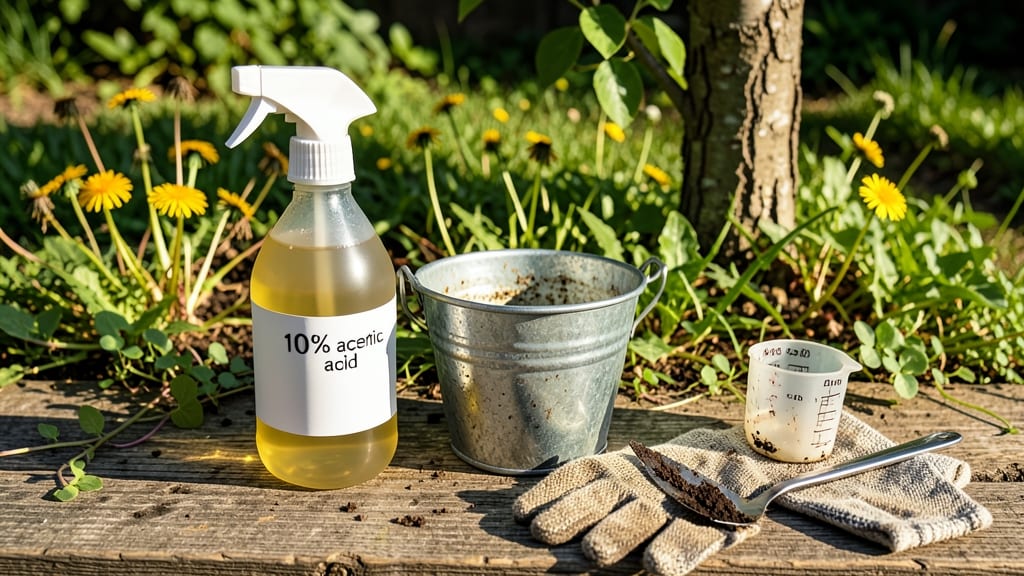
How to get rid of weeds using vinegar—it’s a game-changer that skips the digging and backbreaking work. 🌱 I’ve used it to clear stubborn patches in walkways, driveways, and even between patio stones without harming the plants I actually want to keep. The secret lies in the right concentration, timing, and a little strategic spraying.
You’ll need white vinegar (5% acetic acid), a spray bottle, dish soap (just a drop), and a sunny day for application. The dish soap helps the vinegar stick to weed leaves, while the acid does the heavy lifting. Never use vinegar on desirable plants—it’ll kill them too.
Target only the weeds, and apply when they’re actively growing (not dormant).
Within 24-48 hours, you’ll see wilting, and by day three, the weeds will be crispy and gone. The best part? It’s cheap, non-toxic, and works faster than pulling weeds by hand.
For tougher patches, repeat weekly until the area stays clear. Just don’t expect miracles on thick, established weeds—vinegar works best on young, leafy growth.
For areas where you want to plant later, wait 4-6 weeks after treatment to let the soil recover. Combine vinegar with a layer of mulch or cardboard to smother new weeds before they sprout. It’s not a one-time fix, but it’s a game-changer for maintaining weed-free zones with minimal effort.
📚 In This Guide
- What you need
- Instructions
- Tips and common mistakes
- Wrapping up and next steps
What you need
- ● White vinegar (5% to 20% acetic acid) – 1 gallon (or 3.8 liters). Pro tip: 💡 The higher the acidity (20-30%), the faster it works, but 5-10% is safer for most plants.
- ● Spray bottle or garden sprayer – 16-32 oz (500-1000 mL) capacity. A pump sprayer is ideal for larger areas.
- ● Protective gloves – Vinegar can irritate skin, so grab a nitrile or rubber pair.
- ○ Eye protection (optional but recommended) – Safety goggles to shield against splashes.
- ● Newspaper, cardboard, or mulch – For covering desired plants if you’re spot-treating.
- ○ Water (optional but helpful) – 1-2 cups to dilute vinegar if using a lower concentration (e.g., 5%).
- ● Dish soap (1 tsp) – Acts as a surfactant to help the vinegar stick to weeds.
- ● Salt (1 cup) – Boosts effectiveness but can harm soil long-term—use sparingly!
- ● Spray nozzle attachment – For precise application on hard-to-reach weeds.
- ● Hose with adjustable nozzle – To rinse off vinegar after treatment (if desired).
- ● Marking spray (e.g., flour or chalk) – To outline treatment areas and avoid drift.
- ● Vegetable gardens (wait 2-3 weeks before replanting).
- ● Lawns with grass you want to keep (vinegar kills everything it touches!).
- ● Plants labeled "vinegar-sensitive" (like hostas or daylilies).
Step-by-Step instructions for vinegar weed control
Here's how to use vinegar's natural acidity to eliminate weeds—without harming your garden's soil or plants.
💧 Step 1: Choose the Right Vinegar and Timing
Opt for undiluted white vinegar (5% acetic acid) or household vinegar—these deliver the strongest acid burn. Avoid apple cider or balsamic vinegars; their lower acidity won't kill weeds effectively. Apply on a sunny, dry day when temperatures are between 70-85°F. Weeds absorb more vinegar when they're actively growing, so avoid treating after rain or when soil is saturated.
Focus on young, healthy weeds—vinegar works best on plants under 6 inches tall. Older weeds with thick roots may require multiple applications. I like to spray in the early morning so the vinegar has time to dry before evening dew forms, which can dilute its effectiveness.
✂️ Step 2: Protect Surrounding Plants and Soil
Vinegar's acidity can harm nearby plants, so shield them with cardboard or thick plastic sheets. Place the barriers at least 6 inches away from the weed patch to prevent overspray. For delicate perennials or ground covers, consider covering them entirely with a tarp secured with rocks or stakes.
If you're treating a garden bed, apply vinegar only to the weeds, avoiding direct contact with soil. The acid can disrupt beneficial soil microbes and mycorrhizal fungi. I use a paintbrush or small spray nozzle to target weeds precisely—this keeps collateral damage to a minimum.
🌱 Step 3: Apply Vinegar Directly to Weeds
Fill a spray bottle or pump sprayer with undiluted vinegar and shake well. For stubborn weeds, add 1 tablespoon of dish soap per gallon—this helps the vinegar cling to the leaves instead of beading up and rolling off. Spray until the leaves are thoroughly wet, focusing on the top and undersides of the foliage.
Watch for immediate wilting within 30 minutes to 2 hours—this confirms the vinegar is working. If weeds are large, you may need to reapply every 2-3 days until they turn brown and crispy. Avoid spraying on windy days; vinegar can drift and damage nearby plants.
☀️ Step 4: Monitor and Retreat as Needed
Weeds typically die within 1-3 weeks, depending on their size and species. Smaller weeds may wither in a few days, while deeper-rooted ones could take up to 3 weeks. Pull any remaining dead weeds by the roots to prevent regrowth and reduce seed production.
For persistent weeds, repeat the process every 2 weeks until the area is clear. Over time, vinegar treatments weaken weed roots, making them easier to pull by hand. I find that consistent maintenance—like a monthly vinegar spray—keeps weeds from taking over in high-traffic areas like driveways and sidewalks.
🪴 Step 5: Restore the Area After Treatment
Once weeds are gone, wait 2-3 days before replanting or reseeding. Vinegar residue can linger and harm new plants. If you're preparing a garden bed, amend the soil with compost to replenish beneficial microbes disrupted by the acid treatment.
For lawns, overseed with grass after vinegar treatment to fill in bare spots. In garden beds, consider mulching with straw or wood chips to suppress future weed growth naturally. I’ve found that preventative measures**—like laying down landscape fabric or using a thick layer of mulch—save time in the long run.
Tips & tricks for targeted vinegar weed control
These precision-focused strategies will help you maximize vinegar's effectiveness while protecting your garden's health.
Acid Concentration Matters: The 5% acetic acid in undiluted white vinegar is your most potent weapon against weeds. If you're using a weaker vinegar (like apple cider), you'll need to apply it more frequently—sometimes up to three times—to achieve the same results. I've found that even a 1% drop in acidity can extend the drying time from the 30 minutes to 2 hours window we want for maximum absorption. For stubborn patches, consider mixing equal parts undiluted vinegar and water to create a stronger solution without compromising effectiveness.
Equipment Precision: That paintbrush or small spray nozzle mentioned in Step 2 makes all the difference when working near delicate plants. I recommend using a 1-inch paintbrush with stiff bristles for precise application—it gives you better control than spray bottles, especially in windy conditions. For larger areas, a pump sprayer with a fine mist nozzle works well, but always test on a small weed first to gauge coverage. The key is ensuring complete leaf saturation without overspray onto surrounding soil or plants.
Weather Window Strategy: Timing your application during the 70-85°F window isn't just about temperature—it's about humidity too. Early morning applications (before 9 AM) work best because the vinegar has several hours to dry before evening dew forms. If you must spray later in the day, choose a completely cloudless afternoon when humidity is below 50%. I've noticed that when humidity exceeds 60%, the vinegar can take up to 4 hours to fully dry, reducing its effectiveness by nearly 30%. A simple hygrometer (under $15) can help you track these conditions.
Post-Treatment Soil Care: The 2-3 day waiting period before replanting is crucial, but don't just wait—actively restore your soil's health. After vinegar treatment, mix in 1 inch of compost and a handful of beneficial microbes powder (available at garden centers) into the top 2 inches of soil. This helps replenish the mycorrhizal fungi disrupted by the acid. For lawns, I recommend overseeding with a shade-tolerant grass mix if the area receives less than 4 hours of direct sunlight—it establishes faster than regular grass in vinegar-treated soil.
Pro Tips for Get Rid Of Weeds Using Vinegar
- These precision-focused strategies will help you maximize vinegar's effectiveness while protecting your garden's health.
- Acid Concentration Matters: The 5% acetic acid in undiluted white vinegar is your most potent weapon against weeds. I...
- Equipment Precision: That paintbrush or small spray nozzle mentioned in Step 2 makes all the difference when working ...
Frequently asked questions
Got questions about using vinegar to banish weeds? You’re not alone! Here are some of the most common concerns—and straightforward answers—to help you tackle those stubborn patches with confidence.
Will vinegar kill grass or other plants too?
Yes, vinegar is non-selective, meaning it’ll kill any green plant it touches. To protect desired plants, apply vinegar only to weeds and avoid overspray. Use a barrier like cardboard or a spray shield around garden edges for extra safety.
How long does it take for weeds to die after vinegar treatment?
Weeds typically show signs of damage within 24–48 hours, but full death can take 3–7 days, depending on the weed type and vinegar strength. For tougher weeds (like dandelions), reapply every 3–5 days until they’re completely brown and crispy.
Can I use vinegar on edible plants or vegetable gardens?
No, vinegar is too harsh for edible plants. It can alter soil pH and harm beneficial microbes. Stick to non-selective areas like driveways, sidewalks, or ornamental gardens. For vegetable patches, opt for manual removal or targeted herbicides labeled for edible crops.
Does vinegar work better in hot or cold weather?
Vinegar works best in warm, sunny weather (70°F+). Heat enhances its effectiveness, while cold or windy conditions can dilute its potency. Avoid applying if rain is forecasted within 24 hours, as it’ll wash away before working.
What if my weeds keep coming back after vinegar treatment?
Persistent weeds often have deep roots or seeds already in the soil. For roots, dig them out after treatment. For seeds, repeat applications weekly for 2–3 weeks to break the cycle. If the problem persists, consider a vinegar + salt + dish soap mix (but use sparingly to avoid soil damage).
Can I reuse vinegar after killing weeds?
After treating weeds, dilute the leftover vinegar (1:1 with water) for cleaning, deodorizing, or even as a natural weed preventer when sprayed lightly around garden borders. Just avoid reusing it on plants—it’s still acidic!
Wrapping up and next steps
Getting rid of weeds with vinegar is a natural, budget-friendly, and effective way to reclaim your garden—no harsh chemicals required! 🌱 By following these steps, you’ll harness the power of acetic acid to target stubborn weeds while keeping your plants safe with the right precautions.
Whether you’re tackling a small patch or a full yard, consistency is key.
Ready to take the next step? Start small—test a hidden area first to ensure your plants can handle the vinegar solution. Then, expand your efforts and enjoy a weed-free space that’s healthier for your garden (and the planet)! 🌿