
Size
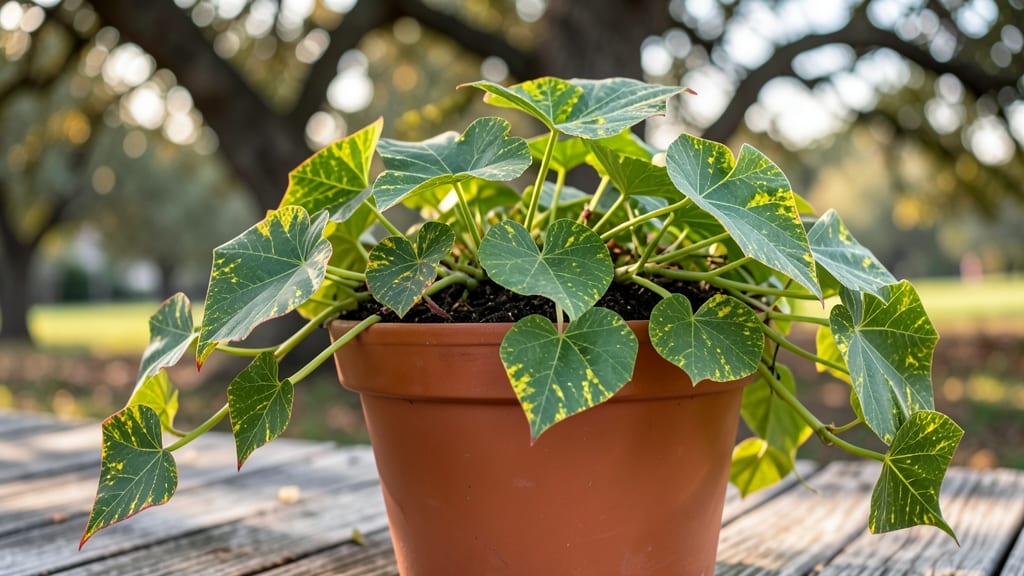
Sweet potato vines spread like wildfire—10 feet in a single season—and they’re shockingly easy to grow how to grow a sweet potato vine in soil. 🌿 I’ve turned my balcony into a lush green curtain using just a few slips and a basic container setup.
The secret isn’t complicated: these vines thrive on neglect, but they do need the right start.
You’ll need well-draining soil, a sunny spot (at least 6 hours of light daily), and either slips (the easiest way) or seeds (for patience). Most people overthink watering—keep soil moist but not soggy, and watch those vines take off.
They’re perfect for hanging baskets, trellises, or even ground cover where you want instant greenery.
By midsummer, you’ll have a dense, trailing cascade of heart-shaped leaves that outshine any store-bought filler. The best part? They’re non-toxic, so pets and kids can play nearby. Just avoid over-fertilizing—too much nitrogen gives you leaves, not vines.
Works in containers, garden beds, or even as a living privacy screen. Here’s how to get started without the guesswork—no green thumb required!
📚 In This Guide
- What you need
- Instructions
- Tips and common mistakes
- Wrapping up and next steps
What you need
- ● Sweet potato vine slips or cuttings: 3–5 healthy slips (4–6 inches long, with 2–3 leaf nodes each). Look for Ipomoea batatas varieties like ‘Margarita’ or ‘Blackie’ for vibrant colors!
- ● Well-draining potting soil: 1–2 gallons of high-quality, peat-free mix (e.g., Miracle-Gro Potting Mix or a blend with perlite/vermiculite for aeration). Avoid garden soil—it compacts too easily!
- ● Containers or garden bed: Containers: 1–2 hanging baskets (10–12 inches wide) or 1–2 deep planters (8+ inches deep) with drainage holes.
- ● Garden bed: A sunny spot with loose, fertile soil (amend with compost if needed). Vines spread 3–6 feet, so space plants 12–18 inches apart.
- ○ Rooting hormone (optional but helpful): A small bottle of rooting powder (like Dyna-Gro Root Stimulator) to speed up growth.
- ● Watering can or spray bottle: A gentle spray nozzle helps avoid damaging delicate cuttings.
- ● Fertilizer (balanced or organic): A slow-release granular fertilizer (e.g., 10-10-10) or liquid feed (like fish emulsion) for a nutrient boost every 4–6 weeks.
- ● Pruning shears or sharp scissors: For clean cuts when harvesting slips or trimming vines.
- ● Mulch (straw or shredded leaves): To retain moisture and regulate soil temperature.
- ● Trellis or netting: If you want to train vines vertically (e.g., for a living wall or patio screen).
- ● Slow-release moisture beads: (e.g., Hydro Beads) to reduce watering frequency.
- ● Gloves: Protect your hands from prickly stems if you’re sensitive.
Step-by-step instructions for growing sweet potato vines in soil
Sweet potato vines grow like crazy—here's how to harness that energy for lush, trailing foliage.
🌱 Step 1: Choose and Prepare Your Vine Starts
Sweet potato vines grow from slips—young shoots that form on sweet potato tubers. I like to start with organic sweet potatoes from the grocery store (the ones with sprouts already). Cut the tuber just below a sprout, leaving a 2-inch stem attached. Let the cut end dry for 1-2 hours to prevent rot—this is critical.
Place the slips in a shallow tray of water, keeping the tuber submerged but the stem above. Change the water every 2-3 days to prevent bacterial growth. Roots will form in 1-2 weeks, and you'll see them as thick, white tendrils emerging from the tuber. Once roots reach 1-2 inches long, they're ready for planting.
🪴 Step 2: Select and Prepare the Soil
Sweet potato vines thrive in well-draining soil with plenty of organic matter. I mix equal parts potting mix and perlite for airy, fast-draining conditions—these vines hate soggy roots. Fill your container or garden bed with the mix, leaving 1-2 inches of space at the top for watering.
Work in a slow-release fertilizer at planting time—this ensures steady nutrition as the vines grow aggressively. I prefer organic options like worm castings or composted manure. The goal is soil that feels like a damp sponge when squeezed—neither bone-dry nor waterlogged.
☀️ Step 3: Plant and Position for Maximum Growth
Plant each slip 1-2 inches deep, burying the tuber but leaving the stem exposed. Space slips 6-8 inches apart in containers or 12-18 inches apart in garden beds. Press the soil gently around the tuber to ensure good contact—this encourages root development.
Sweet potato vines need full sun (6-8 hours daily) to produce their signature trailing growth. Place containers on a sunny patio or balcony, or plant in a garden spot with afternoon sun. If growing indoors, position near a south-facing window or under grow lights for 12-14 hours of light daily.
💧 Step 4: Water and Maintain for Fast, Healthy Growth
Water deeply when the top 1-2 inches of soil feel dry. These vines grow fast, so they drink up water quickly, but overwatering causes rot. I water in the morning so excess moisture evaporates by evening. Avoid wetting the leaves—water at the base to prevent fungal diseases.
Fertilize lightly every 4-6 weeks with a balanced liquid fertilizer (10-10-10 or similar). Too much nitrogen makes leaves lush but reduces flowering. Watch for pests like spider mites—spray leaves with water daily to deter them, or use neem oil if infestations appear.
✂️ Step 5: Prune and Train for Trailing Beauty
Pinch back the main stem when it reaches 12-18 inches tall to encourage bushier growth. This isn’t necessary for trailing varieties, but it keeps plants compact if you’re growing them in hanging baskets or small containers. Remove any yellow or diseased leaves immediately—they spread problems fast.
Train vines by gently weaving them through trellises, fences, or container edges. The more you guide them, the fuller the display. Harvest leaves as needed—young leaves are tender and great for cooking, while mature leaves add vibrant color to arrangements. With proper care, your vines will trail 8-10 feet in a season!
Tips & tricks for fast-spreading sweet potato vine growth
These insider tricks will help you turn those humble grocery store sweet potatoes into a vibrant, fast-growing vine display that spreads like wildfire.
Root Development Insight: The 1-2 hour drying period for your slips isn't just about preventing rot—it's creating a natural callus that protects against bacterial infections. I've learned the hard way that skipping this step leads to mushy tubers and failed starts. Once your slips develop those 1-2 inch roots in water, resist the urge to plant them immediately. Let them sit in fresh water for another 24 hours to strengthen those roots before transplanting—they'll establish faster in soil.
Soil Mix Secret: While equal parts potting mix and perlite works beautifully, I've found adding a handful of coarse sand to the mix creates even better drainage for these thirsty plants. The sand prevents compaction while maintaining that crucial aeration. Pro tip: Test your soil mix by squeezing a handful—it should crumble easily when dry and hold its shape when damp, like a well-worn baseball.
Light Positioning Hack: Sweet potato vines need that full sun (6-8 hours daily), but here's the thing about morning versus afternoon sun: Morning sun is gentler and helps prevent leaf scorch. If you're growing in containers, rotate them weekly so all sides get equal sun exposure. For indoor growers, supplement with a simple LED grow light for those 12-14 hours—just keep it 6-12 inches above the plants to prevent leggy growth.
Watering Strategy: The "top 1-2 inches dry" rule works, but I've found a better method: Stick your finger about 1 inch into the soil. If it feels dry at that depth, it's time to water. This prevents both overwatering and underwatering. For container growers, I recommend using self-watering pots—they maintain consistent moisture without the risk of soggy roots that these vines despise.
Pro Tips for Grow A Sweet Potato Vine In Soil
- These insider tricks will help you turn those humble grocery store sweet potatoes into a vibrant, fast-growing vine display that spreads like wildfire.
- Root Development Insight: The 1-2 hour drying period for your slips isn't just about preventing rot—it's creating a natural callus that protects against bacterial infections.
- Soil Mix Secret: While equal parts potting mix and perlite works beautifully, I've found adding a handful of coarse sand to the mix creates even better drainage for these thirsty plants.
Frequently asked questions
about growing sweet potato vines in soil—because even the pros need a little help sometimes!Can sweet potato vines grow in regular garden soil?
Sweet potato vines thrive in well-draining, nutrient-rich soil—whether in containers or garden beds. Avoid heavy clay or waterlogged soil, as their roots need airflow. Mix in compost or coconut coir to boost drainage and fertility. Pro tip: If your soil is poor, amend it with perlite or sand for faster growth!
How long does it take for sweet potato vines to spread?
Sweet potato vines are fast growers! With the right conditions (sunlight, warmth, and moisture), you’ll see new growth in 2–4 weeks. Trailing varieties can spread 10–12 feet in a single season if given space. Prune regularly to control sprawl and encourage bushier foliage.
Do sweet potato vines need full sun?
Yes! While they tolerate partial shade, vines grow most vigorously in 6+ hours of direct sunlight daily. In hot climates, afternoon shade helps prevent leaf scorch. If growing in containers, place them near a sunny window or balcony—just rotate pots occasionally for even growth.
What pests or diseases should I watch for?
Sweet potato vines are generally pest-resistant, but keep an eye out for:
- Aphids (sap-sucking insects)—spray with soapy water or neem oil.
- Spider mites (in dry conditions)—increase humidity or mist leaves.
- Root rot (from overwatering)—ensure pots have drainage holes.
Can I grow sweet potato vines from store-bought sweet potatoes?
Yes, but only organic, untreated sweet potatoes (conventional ones may be treated to prevent sprouting). Cut a sweet potato in half, let the cut sides dry for 1–2 days, then place the flat side down in moist soil.
Wrapping up and next steps
Growing sweet potato vines in soil is a rewarding way to add vibrant, trailing beauty to your garden—whether in containers or beds! With the right sunlight, well-draining soil, and a little patience, these fast-spreading plants will thrive and bring color to your space. 🌿
Now that you’re equipped with the know-how, give it a try! Start small with a single vine, experiment with different varieties, or share cuttings with fellow plant lovers. Once you see those lush, cascading leaves, you’ll be hooked—and ready to expand your green thumb adventures! 🌱
Next step: Snap a photo of your vines and tag us—we’d love to see your progress! 📸