
Size
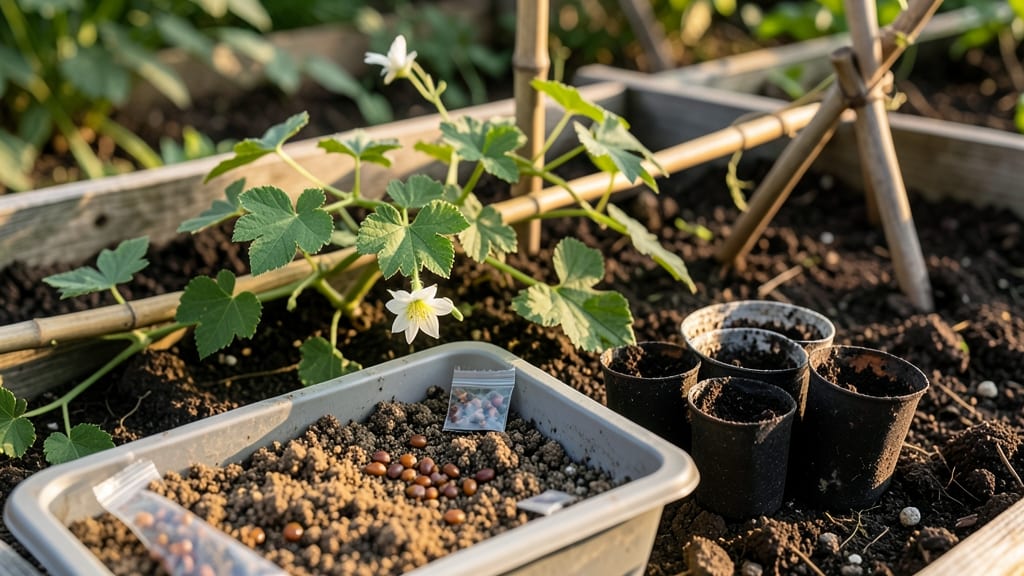
How to grow cucamelon seeds is the fastest way to get these tiny, watermelon-cucumber hybrids on your plate—60 days from sprout to harvest. 🌱 I started with just three seeds last summer and ended up with enough to share jars of pickled cucamelons with neighbors. The secret? They germinate in 3-5 days, so you can go from seed to salad in record time. You’ll need a sunny spot (at least 6 hours of direct light), well-draining soil, and a trellis or stakes—these vines climb like crazy. Plant seeds ½ inch deep and keep soil moist but not soggy. The first true leaves appear fast, and by week 3, you’ll see those telltale tendrils grabbing for support. By midsummer, you’ll be harvesting golf-ball-sized fruits every few days. The flavor? A tangy, sweet mix of watermelon and cucumber, perfect for snacking or pickling. Just watch for powdery mildew—space plants 12-18 inches apart to improve airflow. Even my black thumb couldn’t kill these. If you’ve ever wanted a garden that feels like a mini watermelon factory, cucamelons deliver—fast, fun, and foolproof.
📚 In This Guide
- What you need
- Instructions
- Tips and common mistakes
- Wrapping up and next steps
What you need
- ● Cucamelon seeds: 5–10 seeds (start small—these little guys multiply fast!)
- ● Containers or garden bed: Option 1: 5–6 inch pots (1 per seedling) with drainage holes
- ● Option 2: Garden bed in full sun (6+ hours/day) with well-draining soil
- ● High-quality potting mix: 2–3 bags (sterile, seed-starting mix or all-purpose with perlite)
- ○ Organic compost: 1 cup (optional but boosts nutrients)
- ● Watering can or spray bottle (gentle watering = happy seeds!)
- ● Trowel or small shovel (for transplanting seedlings)
- ● Plant labels (mark varieties if growing multiple types)
- ○ Fertilizer (balanced 10-10-10 or compost tea, optional)
- ● Trellis or stakes (3–4 ft tall, highly recommended—cucamelons love to climb!)
- ○ Row cover or shade cloth (30–50% shade, optional for hot climates)
- ● Warmth: Seeds germinate best at 70–90°F (21–32°C)—wait until after the last frost!
- ● Sunlight: Full sun (6+ hours/day) is a must for sweet, productive vines.
- ● Patience: Germination takes 7–14 days—stay consistent with water!
Step-by-step instructions for growing cucamelon seeds
Here's how to turn those tiny seeds into a vine full of grape-sized cucumbers in just two months.
🌱 Step 1: Prep Seeds and Start Containers
Soak cucamelon seeds for 12-24 hours in lukewarm water to soften the outer coating—this speeds germination from 10-14 days to just 5-7 days. Use a 4-inch deep container with sterile seed-starting mix (never garden soil). Fill to 1 inch from the rim and press down lightly until firm but not compacted.
I like to use biodegradable pots because cucamelons have delicate roots that hate disturbance. Plant 2-3 seeds per pot at ½-inch depth—they're tiny, so don't bury them deeper than their width. Cover with a thin layer of vermiculite to help retain moisture without suffocating the seeds.
💧 Step 2: Create Ideal Germination Conditions
Place containers in a warm spot (aim for 75-85°F—a seedling heat mat helps if your home runs cooler). Keep the soil consistently damp by misting daily rather than watering from above. A clear plastic dome traps humidity and warmth, but remove it once 50% of seeds sprout to prevent damping-off.
You'll see tiny white roots pushing through the soil first, followed by cotyledons (the first true leaves) within 7-10 days. If germination takes longer, check moisture—soil should feel like a wrung-out sponge. Avoid cold drafts or temperature swings, which slow growth dramatically.
☀️ Step 3: Provide Light and Support Early
As soon as sprouts appear, move them to a south-facing window or under grow lights for 14-16 hours daily. Cucamelons need full sun to stay compact and productive. Install a trellis or small cage immediately—even 6-inch seedlings will climb aggressively. I use 4-foot bamboo stakes for support.
You'll notice true leaves (the second set after cotyledons) appear in 2-3 weeks. When they do, feed with half-strength liquid fertilizer to encourage strong vine growth. Pinch off the first flowers if your climate has fewer than 60 frost-free days—this redirects energy to vine growth instead of fruit production.
🪴 Step 4: Transplant and Train for Maximum Yield
After 4-6 weeks, when plants have 4-5 leaves, transplant outdoors after nighttime temperatures stay above 55°F. Bury stems 1 inch deeper than in containers to encourage root growth. Space plants 18-24 inches apart—they'll spread quickly but need airflow to prevent powdery mildew.
Train vines along the trellis, tying them with soft plant ties every 6-8 inches. Prune side shoots to 3-4 leaves to focus energy on main vines and fruit. You'll see tiny cucamelons (about 1 inch long) in 50-60 days—they look like miniature watermelons with a sweet, tangy flavor. Harvest when firm and bright green for best taste.
Tips & tricks for perfect cucamelon growth
Real talk: Cucamelons are finicky little plants that reward patience with explosive growth. Here's how to give them the best start possible.
Soaking Strategy: The 12-24 hour soak is your secret weapon for faster germination. Use lukewarm water—not hot—to avoid shocking the seeds. I like to add a few drops of hydrogen peroxide (3%) to the water for 10 minutes before soaking to prevent mold. This keeps your seeds healthy while they wait to sprout.
Container Selection: Those 4-inch deep biodegradable pots are non-negotiable for cucamelons. Their roots are incredibly sensitive to disturbance, and transplant shock can kill them. If you don't have biodegradable pots, use paper cups with drainage holes as a budget-friendly alternative—they'll break down when you transplant.
Lighting Hacks: The 14-16 hours of daily light is critical, but don't stress about perfect south-facing windows. A basic LED grow light on a timer works just as well. Position it just 6 inches above seedlings—closer than you'd think! I keep mine running from 6am to 8pm, and my plants thrive without any window space at all.
Transplant Timing: Waiting until nighttime temps stay above 55°F is crucial, but don't rush it. I've seen cucamelons survive brief dips to 50°F, but they'll grow slowly and produce fewer fruits. If you're in doubt, wait another week—better to delay than lose your plants to cold stress.
Pro Tips for Grow Cucamelon Seeds
- Real talk: Cucamelons are finicky little plants that reward patience with explosive growth.
- Soaking Strategy: The 12-24 hour soak is your secret weapon for faster germination.
- Container Selection: Those 4-inch deep biodegradable pots are non-negotiable for cucamelons.
Frequently asked questions
Got questions?
Growing cucamelons is fun, but every gardener hits a snag now and then. Here are answers to the most common questions about cultivating these tiny, tangy treasures—so you can troubleshoot like a pro!
How long does it take for cucamelon seeds to germinate?
Cucamelon seeds are fast—typically sprouting in 5 to 10 days when soil stays warm (70–85°F). Keep seeds moist (not soggy) and in indirect light until they push through the soil. Pro tip: A heat mat can speed up germination if your climate is cool!
Can I grow cucamelons in containers, or do they need a garden bed?
Cucamelons thrive in containers as long as the pot is at least 12 inches deep and has drainage holes. Use a lightweight potting mix, and train vines with a trellis or cage. Bonus: Container growing makes them perfect for balconies or small spaces!
What pests or diseases should I watch for with cucamelons?
Keep an eye out for aphids, cucumber beetles, and powdery mildew—common foes of cucurbit plants. Prevent pests with neem oil or row covers, and ensure good airflow to avoid mildew. If leaves yellow, check for overwatering or nutrient deficiencies (like nitrogen).
Do cucamelons need full sun, or can they tolerate partial shade?
Full sun (6–8 hours daily) is ideal, but they’ll tolerate 4–6 hours in partial shade—especially in hot climates. Just expect smaller yields if they’re shaded. If growing indoors, supplement with a grow light for 6+ hours/day.
Can I save cucamelon seeds from store-bought fruits?
Yes! Scoop out the seeds from a ripe cucamelon, rinse them, and let them dry on a paper towel for 3–5 days. Store in a cool, dark place for up to 2 years. Note: Hybrid varieties may not produce true-to-type fruit, so buy seeds from a reputable seller for consistency.
How cold can cucamelons handle before frost kills them?
Cucamelons are tender annuals and die in temps below 32°F (0°C). Start seeds indoors 4–6 weeks before your last frost, or wait until soil is warm (60°F+) to direct-sow. If frost threatens, harvest vines before they freeze!
Wrapping up and next steps
Growing cucamelons from seed is a rewarding journey that yields delicious, crunchy treats in just 60 days! With the right soil, sunlight, and a little patience, you’ll enjoy a bountiful harvest of these tiny, tangy delights—perfect for snacking or garnishing dishes. 🌱✨
Now that you’re armed with tips and answers to common questions, it’s time to plant those seeds and watch your garden thrive. Happy growing—and get ready to savor the sweet (and spicy!) rewards of your hard work!