
Size
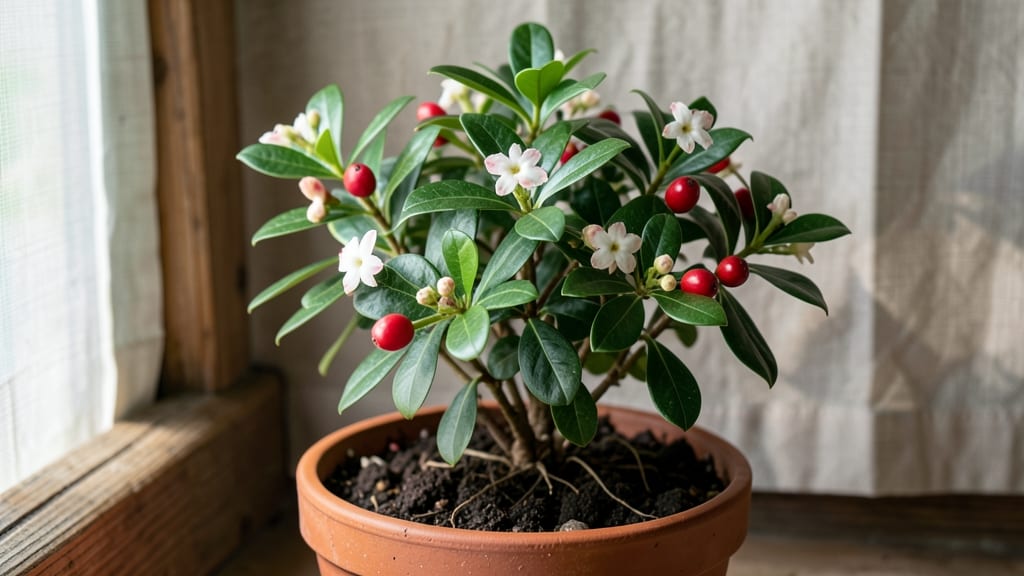
Six months from now, how to grow the miracle fruit plant could turn sour lemons into sweet strawberry flavors. 🌱 I’ve grown this quirky vine twice—once from seed, once from cuttings—and the second method is the real game-changer for beginners.
The secret to success lies in patience and precision: warm soil, bright indirect light, and a trellis to guide its sprawling growth. Most people quit when the first leaves appear because the real magic (fruit production) takes 12-18 months from seed.
But with the right setup, you’ll see those signature red berries forming by month 10.
What’s wild is how the fruit alters taste perception—acidic becomes sweet, bitter turns tangy—for up to an hour after eating. The plant itself stays compact (3-5 feet tall) but spreads wide, making it perfect for containers or small patios.
Here’s where I’ll share my exact propagation method, watering schedule, and the one trick that doubled my fruit yield last season. Let’s get those vines growing!
📚 In This Guide
- What you need
- Instructions
- Tips and common mistakes
- Wrapping up and next steps
What you need
- ● Miracle fruit seeds or a young plant: 1–2 seeds (available online or from specialty nurseries)
- ● OR a 3–6-inch potted seedling (check local tropical plant shops)
- ● Well-draining potting mix: 1 bag (1–2 cubic feet) of peat-free, airy mix (e.g., 50% coconut coir + 50% perlite/pumice)
- ○ Optional: Add 1 tbsp of worm castings per gallon for extra nutrients
- ● Pot with drainage holes: 4–6 inch diameter for seeds; 10+ inches for mature plants (terracotta or fabric pots preferred)
- ● Grow lights or sunny window: Full-spectrum LED grow light (12–16 hours/day) OR a south-facing window (6+ hours of direct light)
- ● Humidity dome or plastic wrap: 1 small (for seedling stage)
- ● Misting bottle: 1 (to maintain 60–80% humidity)
- ● Fertilizer: Balanced liquid fertilizer (e.g., 10-10-10) OR slow-release granules
- ● Dilute to ½ strength for young plants
- ● Pruning shears: 1 pair (for shaping and harvesting)
- ● Self-watering pot (for busy growers)
- ● Soil moisture meter (to avoid over/under-watering)
- ● Trellis or small stake (for supporting vines as they grow)
- ● Second pot (for propagating cuttings if you want to share plants!)
Step-by-step instructions for growing miracle fruit plant
Here’s how to coax this fascinating vine into fruiting within six months—no greenhouse needed.
🌱 Step 1: Start Seeds in Warm, Humid Conditions
Miracle fruit seeds need warmth to germinate, so I place them in a small container filled with moistened seed-starting mix and cover it with a clear plastic bag to trap humidity. Keep the soil at a steady 75-85°F—a seedling heat mat helps if your home runs cooler. You’ll see sprouts in 2-4 weeks, but don’t rush germination by overwatering.
Once the first true leaves appear, remove the plastic and move the seedlings to a bright spot with indirect light. Direct sun at this stage can scorch tender leaves. I’ve found that a south-facing window with sheer curtains works perfectly—just watch for leggy growth, which means the light isn’t strong enough.
☀️ Step 2: Transplant to Larger Pots When Roots Crowd
Miracle fruit grows fast, so you’ll need to repot seedlings into 6-inch pots once they outgrow their starter containers. Use a well-draining potting mix with added perlite or orchid bark to mimic its tropical habitat. Gently remove the seedling, loosen the roots, and place it in the new pot, burying it to the same depth as before.
After transplanting, water thoroughly until it drains from the bottom, then let the top inch of soil dry out before watering again. This vine hates soggy roots, so I always check the soil with my finger—if it’s damp, I wait. Place the pot in a spot with bright, indirect light for the first week to reduce shock.
💧 Step 3: Encourage Vigorous Growth With Consistent Care
Miracle fruit thrives in warmth and humidity, so aim to keep temperatures between 65-85°F and maintain a humidity level above 50%. If your home is dry, I mist the leaves daily or place the pot on a tray of pebbles with water to increase moisture. Fertilize every 4-6 weeks with a balanced liquid fertilizer diluted to half strength—too much can burn the roots.
As the vine grows, train it to climb by gently tying the stems to a trellis or bamboo stake. This keeps the plant upright and encourages stronger growth. You’ll notice new leaves forming every 2-3 weeks, and that’s your cue to keep the soil consistently moist but never waterlogged.
✂️ Step 4: Prune to Stimulate Fruit Production
When the vine reaches about 3-4 feet tall, pinch back the tips of the main stems to encourage bushier growth. This redirects energy toward producing flowers and fruit instead of just long, leggy vines. I also remove any yellow or damaged leaves to keep the plant healthy and focused on new growth.
With proper care, you’ll see small white flowers appear in 4-6 months. These will eventually turn into bright red berries—your miracle fruit! Harvest the berries when they’re fully ripe and deep red, as they won’t ripen further once picked. Store them in the fridge for up to a week, or dry them for longer shelf life.
🪴 Step 5: Overwinter or Propagate for Next Year
Miracle fruit is tropical and won’t survive frost, so if you live in a cold climate, treat it as an annual or bring it indoors before temperatures drop below 50°F. Reduce watering in winter and place it in a bright, cool spot. If you want to keep growing, take 4-inch stem cuttings in spring and root them in water or moist soil.
Here’s the thing—miracle fruit is a slow grower, so patience is key. But once it’s established, it rewards you with a unique gardening experience. Just remember: consistency in light, water, and warmth is what turns a struggling vine into a fruitful one.
Tips & tricks for growing miracle fruit plant
Here's what nobody tells you—these little details make all the difference with this finicky tropical vine.
Heat is Everything: That 75-85°F soil temperature range for germination isn't just a suggestion—it's non-negotiable. I learned this the hard way after waiting three weeks for seeds that never sprouted. If your home runs cooler, invest in a seedling heat mat or place your seed container on top of your fridge (not inside). The key is maintaining that warmth consistently, day and night.
Lighting Strategy: When you move those seedlings to indirect light after germination, pay attention to what "indirect" means. I used to place mine right under fluorescent lights, but that caused them to stretch toward the light. Instead, position them 12-18 inches away from a south-facing window with sheer curtains. Rotate the pot quarter-turn daily so all sides get even light exposure—this prevents that classic "leggy" growth that signals light deprivation.
Transplanting Wisdom: The moment you repot into those 6-inch containers, take your time with the root system. Miracle fruit roots are delicate, so don't pull the seedling by the stem—gently squeeze the sides of the starter container to loosen it. If roots are circling tightly, use your fingers to untangle them slightly before planting. This small effort prevents transplant shock that could set your plant back weeks.
Pruning Payoff: That 3-4 foot height before pruning isn't arbitrary—it's when the vine has enough energy reserves to handle the stress of pinching. I wait until I see at least three sets of true leaves on the main stem before pruning. And here's the secret: when you pinch those tips, make your cuts just above a leaf node where new growth will emerge. This encourages bushier growth that's more likely to produce those coveted flowers.
Pro Tips for Grow Miracle Fruit Plant
- Here's what nobody tells you—these little details make all the difference with this finicky tropical vine.
- Heat is Everything: That 75-85°F soil temperature range for germination isn't just a suggestion—it's non-negotiable.
- Lighting Strategy: When you move those seedlings to indirect light after germination, pay attention to what "indirect" means.
Frequently asked questions
Got questions about growing your own miracle fruit plant? You’re not alone!
Here are answers to the most common queries—from beginners to seasoned plant parents—to help you cultivate this flavor-flipping vine with confidence.
How long does it take for miracle fruit to bear fruit?
Patience is key! Miracle fruit plants typically take 12–18 months from seed to produce ripe berries (the flavor-altering fruit). If you’re starting with a cutting or young plant, you might see fruit in 6–12 months under ideal conditions. Keep it warm, well-watered, and in bright, indirect light to speed things up.
Can miracle fruit survive winter indoors?
Miracle fruit thrives indoors year-round if you mimic its tropical habitat. Keep it in a warm spot (65–80°F), away from drafts, and provide bright, indirect sunlight (a south-facing window or grow light works). Reduce watering slightly in winter, but avoid letting the soil dry out completely. A humidity tray or occasional misting helps too!
What do miracle fruit berries taste like before eating them?
Fresh miracle fruit berries are sour, tart, and slightly sweet—almost like a mix of pineapple and lemon. The magic happens when you eat one (or a tiny piece) and wait 30–60 minutes for the flavor-altering effect to kick in. After that, sour foods (like lemons or grapefruit) taste sweet for a few hours. Pro tip: Don’t overdo it! Eating too many berries can make your mouth numb.
Why are my miracle fruit leaves turning yellow?
Yellowing leaves usually signal overwatering, poor drainage, or nutrient deficiencies. Check these fixes:
- Water less frequently—let the top inch of soil dry out between waterings.
- Ensure your pot has drainage holes and use a well-draining soil mix (like cactus or African violet mix).
- Fertilize lightly with a balanced liquid fertilizer (diluted to half strength) every 4–6 weeks.
- If pests (like spider mites) are the culprit, wipe leaves with neem oil or insecticidal soap.
Can I grow miracle fruit from a store-bought berry?
Yes, but it’s tricky! Miracle fruit berries are not true seeds—they’re actually fleshy arils surrounding the tiny, hard seeds. To germinate them:
Pro tip: For faster results, buy seeds online from a reputable supplier!
Wrapping up and next steps
Growing a miracle fruit plant is a rewarding adventure that unlocks a world of flavor transformation—literally! With the right care, patience, and a dash of creativity, you can cultivate this fascinating vine in just six months.
From selecting the perfect seeds to mastering humidity and light, every step brings you closer to tasting the world differently.
Now that you’re armed with knowledge, take the plunge! Start small—whether it’s a single seedling or a full garden setup—and watch your miracle fruit thrive. Share your progress with fellow plant enthusiasts or experiment with its magical effects at your next meal. Your flavor journey begins now! 🌱✨