
Size
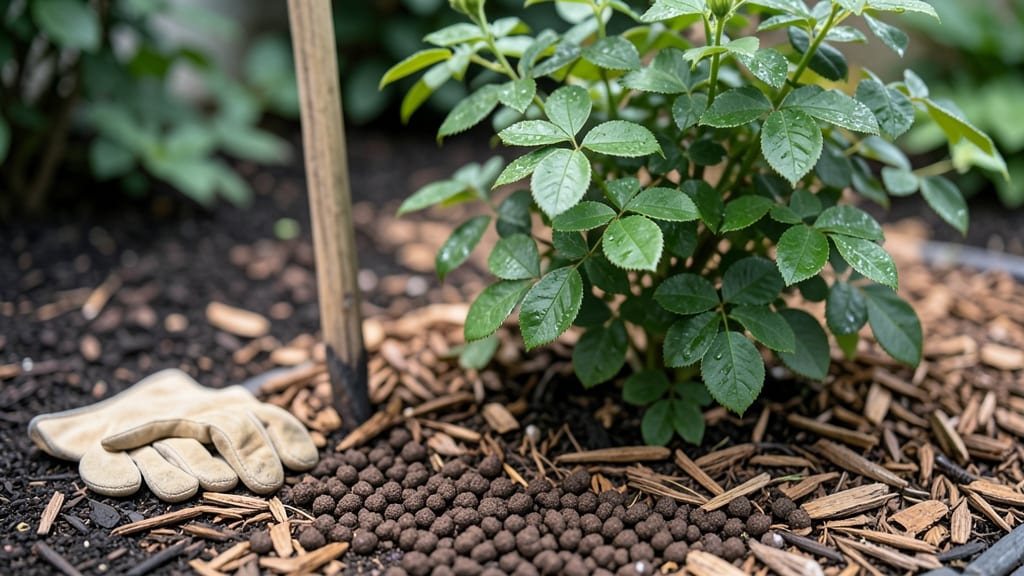
How to grow a rose plant faster—your roses could be three times bushier by next summer with these tricks. 🌹 I’ve watched slow-growing roses transform into lush, blooming powerhouses using just a few simple adjustments—no magic, just science-backed shortcuts that work even for beginners.
The secret starts underground: loose, nutrient-rich soil with compost mixed in encourages roots to spread aggressively. Water deeply twice a week (not daily dribbles) to force roots downward, and prune old canes in early spring to redirect energy into new growth.
Organic options like fish emulsion or slow-release granules speed things up without harsh chemicals.
Within 6-8 weeks, you’ll see thicker stems and more buds than ever before. The key is consistency—no skipping fertilizers or letting soil dry out. Even my black-thumb roses responded after switching to this method, proving faster growth isn’t about luck.
Works for hybrid teas, climbers, or shrub roses—just adjust timing based on your zone. Here’s how to implement each step without overcomplicating things.
📚 In This Guide
- What you need
- Instructions
- Tips and common mistakes
- Wrapping up and next steps
What you need
- ● Rose plants: 1–3 bare-root roses (dormant, ideal for spring planting) OR
- ● 10–20 seedlings or cuttings (if propagating from scratch).
- ● Soil: 5–10 gallons of well-draining potting mix (or garden soil amended with compost or peat moss).
- ○ Optional boost: 1 cup perlite or vermiculite per 5 gallons of soil for aeration.
- ● Fertilizer: 1 balanced granular fertilizer (10-10-10 ratio) OR
- ● 1 rose-specific fertilizer (high in phosphorus for roots).
- ● Tools: 1 hand trowel (for planting)
- ● 1 pruning shears (sterilized with rubbing alcohol)
- ● 1 watering can or hose with gentle nozzle
- ● 1 spray bottle (for misting seedlings)
- ● Root stimulator: 1 bottle mycorrhizal fungi or rooting hormone gel (speeds up root growth by 30–50%).
- ● Mulch: 2–3 inches of wood chips or straw to retain moisture.
- ● Support: 1–2 rose trellises or stakes (6–8 feet tall) for climbing varieties.
- ● pH tester: To ensure soil pH is 6.0–6.5 (roses love slightly acidic soil!).
- ● Shade cloth: Lightweight 30–50% shade fabric for seedlings in hot climates.
Step-by-Step instructions for accelerating rose growth
Here’s how to supercharge your roses’ growth using proven techniques that maximize root development and nutrient uptake.
🌱 Step 1: Start with Strong Root Systems
Choose bare-root roses or young container-grown plants with healthy, fibrous roots—these establish faster than overgrown specimens. Before planting, soak the roots in lukewarm water for 1-2 hours to revive them. This jumpstarts hydration and reduces transplant shock. If planting bare-root, trim any blackened or mushy roots with sterilized pruners—only keep white or light tan roots.
Dig a hole twice as wide as the root ball but no deeper. Loosen the soil at the bottom with a fork to eliminate compaction, which restricts root spread. Amend the native soil with compost or aged manure (1 part compost to 3 parts soil) to improve drainage and nutrient availability. This ensures roots grow outward aggressively rather than circling in the pot.
☀️ Step 2: Optimize Sunlight and Spacing
Roses crave full sun (6-8 hours daily) for robust growth, but avoid midday scorching in hot climates. Plant in a location with morning sun and afternoon shade if temperatures exceed 90°F. Space plants 3-4 feet apart—crowding stresses roots and slows blooming. Stake young roses immediately with 5-foot bamboo stakes tied loosely to the main stem to prevent wind damage.
Watch for new leaf growth within 3-4 weeks—this signals successful root establishment. If leaves appear yellow or wilted, your plant may be struggling with overwatering or poor drainage. Adjust by watering deeply once a week (1-2 inches of water) rather than frequent shallow waterings. Mulch with 2-3 inches of organic mulch (like shredded bark) to retain moisture and regulate soil temperature.
💧 Step 3: Feed for Rapid Growth
Use a balanced, slow-release fertilizer (10-10-10 or 20-20-20) at half-strength when new growth appears. Apply it 2 inches away from the stem to avoid root burn. For an extra boost, mix in 1 tablespoon of Epsom salt (magnesium sulfate) per gallon of water every 4-6 weeks—this enhances chlorophyll production and flower development. Roses also respond well to fish emulsion or seaweed extract, which provide micronutrients and hormones that stimulate root growth.
Here’s the thing—over-fertilizing causes weak, leggy growth. Stop fertilizing 6-8 weeks before the first frost to harden off the plant for winter. You’ll notice darker green leaves and thicker stems within 2-3 weeks of consistent feeding. If blooms appear but drop quickly, your plant may need more phosphorus—switch to a 5-10-10 formula to encourage flowering.
✂️ Step 4: Prune Strategically for Energy Focus
Prune new roses in early spring (just as buds swell) to remove dead, crossing, or inward-growing branches. Cut just above an outward-facing bud at a 45-degree angle to promote water runoff and reduce disease risk. Avoid heavy pruning—never remove more than 1/3 of the plant at once, or you’ll stunt growth. For established roses, prune again after the first flush of blooms to encourage a second flowering cycle.
Real talk: Pruning isn’t just about shaping—it redirects the plant’s energy into stronger stems and more blooms. You’ll see new shoots emerging from the pruned cuts within 2-3 weeks. If your roses produce lots of leaves but few flowers, they need less nitrogen—switch to a low-nitrogen, high-phosphorus fertilizer (like 5-10-5) to shift energy toward blooming.
🌿 Step 5: Monitor and Adjust for Faster Results
Inspect roses weekly for pests (aphids, spider mites, or Japanese beetles) and treat early with neem oil or insecticidal soap. Left unchecked, pests sap energy that could go toward growth. Water at the base in the morning to prevent fungal diseases like black spot—never wet the foliage. If you notice yellowing between leaf veins, your rose may have iron deficiency—apply chelated iron or use rainwater (which is naturally softer).
This is the moment that matters: By mid-summer, your roses should be 2-3 feet taller with multiple blooms per stem if you’ve followed these steps. If growth stalls, check for root-bound conditions (if potted) or compacted soil (if in-ground). Loosen roots gently or aerate the soil to encourage deeper growth. With consistent care, you’ll see double the blooms and thicker canes compared to standard growth rates.
Tips & tricks for supercharging rose growth
These targeted strategies will help you bypass common pitfalls and accelerate your roses' development without compromising their health.
Root Revival Technique: When soaking bare-root roses for that critical 1-2 hour period, use lukewarm water (around 70°F) rather than cold or hot. The gentle warmth mimics natural spring conditions and helps roots absorb moisture more efficiently. I've found adding 1 tablespoon of hydrogen peroxide (3%) per gallon of water during this soak prevents fungal issues while keeping roots oxygenated—this is especially helpful if your water supply is chlorinated.
Soil Science: The 1 part compost to 3 parts soil ratio in Step 1 is perfect, but here's what nobody tells you—your compost quality matters more than quantity. Use well-aged compost (at least 6 months old) to avoid introducing weed seeds or excess salts that can burn tender roots. If your native soil is particularly dense, mix in perlite or vermiculite (20% of the soil volume) to improve aeration without altering the compost-to-soil ratio. This creates ideal conditions for roots to spread aggressively.
Sunlight Strategy: While 6-8 hours of full sun is ideal, the morning sun/afternoon shade approach in Step 2 works best when you consider leaf temperature. In hot climates, I recommend positioning roses so their east-facing leaves receive morning sun while west-facing leaves get afternoon shade. This prevents the entire plant from overheating at once. For container roses, use light-colored pots to reflect excess heat during peak afternoon sun.
Watering Wisdom: The 1-2 inches of water weekly guideline is excellent, but timing matters just as much. Water between 6-9 AM when evaporation rates are lowest and foliage is dry from morning dew. This prevents fungal spores from splashing onto leaves. I've noticed roses in containers dry out faster—water them when the top inch of soil feels dry rather than sticking to a rigid schedule, especially during windy conditions that increase evaporation.
Pro Tips for Grow Rose Plant Faster
- These targeted strategies will help you bypass common pitfalls and accelerate your roses' development without compromising their health.
- Root Revival Technique: When soaking bare-root roses for that critical 1-2 hour period, use lukewarm water (around 70°F) rather than cold or hot.
- Soil Science: The 1 part compost to 3 parts soil ratio in Step 1 is perfect, but here's what nobody tells you—your compost quality matters more than quantity.
Frequently asked questions
Got questions about speeding up your rose growth?
Here are answers to the most common ones—so you can get those blooms faster without the guesswork!
How long does it take for roses to grow faster with these methods?
With the right care—like root boosters, proper pruning, and consistent watering—you can see noticeable growth in 4–8 weeks. Hybrid teas and floribundas may respond quicker, while climbers or shrubs might take a little longer. Patience pays off, but you’ll likely spot new buds and leaves sooner than expected!
Can I grow roses faster indoors?
Start with dwarf varieties like ‘Patio’ or ‘Knock Out’ roses in containers. Place them near a south-facing window (or under grow lights) and keep temps between 60–75°F. Use a high-quality potting mix with perlite for drainage, and fertilize weekly with a diluted rose-specific feed. Just watch for pests—indoor roses can attract spider mites faster!
Why are my rose leaves yellowing even after I water them?
Yellow leaves usually signal overwatering, nutrient deficiency, or fungal issues. Check the soil—it should be moist but not soggy. If roots smell rotten, trim affected areas and repot with fresh, well-draining soil. For yellowing between veins, it’s often iron deficiency—try a chelated iron supplement or compost tea. Fungus? Spray with neem oil or copper fungicide.
Do I need to prune roses to make them grow faster?
Yes! Pruning stimulates new growth by redirecting energy to healthier stems. Cut back dead, crossing, or weak branches in early spring, then trim lightly after blooming to encourage more flowers. Use clean, sharp shears and sterilize them with rubbing alcohol to avoid disease. Pro tip: Prune on a dry morning to reduce stress on the plant!
What’s a faster alternative to growing roses from seeds?
Skip the slow seed route! Opt for bare-root roses (available in winter) or grafted plants—they establish roots faster and bloom sooner. For instant gratification, try cutting propagation: Snip 4–6-inch stems from a healthy rose, dip in rooting hormone, and plant in moist perlite. Keep humid (use a plastic bag) and roots should form in 3–6 weeks!
Can I grow roses faster in hot climates?
Hot weather speeds up growth but can also stress roses. Mulch heavily to retain moisture, water deeply in the morning, and provide afternoon shade with a sheer cloth. Choose heat-tolerant varieties like ‘Earth Kind’ roses or ‘Knock Out’ series. Avoid fertilizing during extreme heat—wait until temps drop below 90°F to prevent burn.
Wrapping up and next steps
Growing roses faster isn’t just about patience—it’s about smart strategies! By mastering pruning, feeding, and root care, you’ll watch your blooms multiply in no time. Remember: healthy roots = happy roses! 🌱
Now that you’re armed with the best tricks, roll up your sleeves and start experimenting—your garden (and your neighbors!) will thank you. Ready to dive deeper? Try tracking your progress with a simple growth journal or share your blooms with fellow gardeners for extra motivation!