
Size
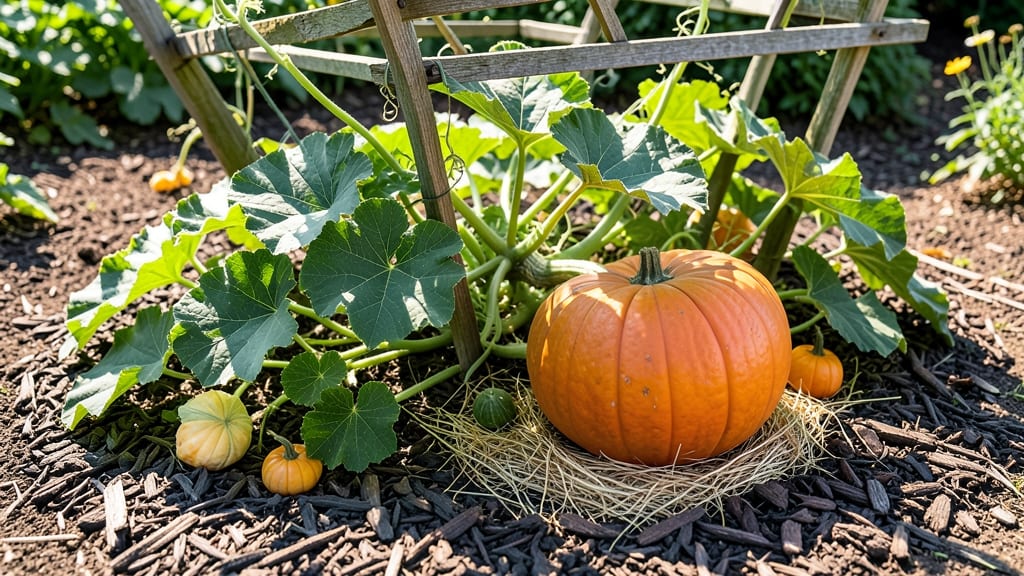
How to grow the biggest pumpkin isn't just luck—it's science. 🌱 I've grown giants for years, and the difference between a 50-pound pumpkin and a record-breaker comes down to these core principles: soil that's richer than your grandma's secret recipe, seeds that pack serious genetic potential, and a watering schedule that treats your vine like a pro athlete.
Start with 'Atlantic Giant' or 'Big Max' seeds—they're the heavyweight champions of the pumpkin world. Your soil needs to be a mix of compost, aged manure, and sand, with a pH between 6.0 and 6.8.
Most beginners underestimate how much space these vines need: give them at least 100 square feet per plant, and don't even think about planting them in rows like regular pumpkins. These monsters need room to sprawl.
By mid-summer, you'll be wrestling with vines that stretch longer than your car, and your pumpkins will be the size of small tables. The key is consistent watering—1-2 inches per week—and a fertilization routine that keeps feeding the plant without burning the roots.
I've seen pumpkins grow 2 pounds per day when conditions are perfect, and that's when the magic really happens.
Harvesting is an art in itself—wait until the stem turns brown and woody, then use a pruning saw, not a knife. One wrong cut and you'll lose your giant. This isn't a quick process; from seed to harvest, you're looking at 100-120 days of careful nurturing.
But when you finally lift that beast from the ground? That's the moment every pumpkin grower lives for.
📚 In This Guide
- What you need
- Instructions
- Tips and common mistakes
- Wrapping up and next steps
Step-by-step instructions for growing giant pumpkins
Winning pumpkins start with the right approach—here’s how to maximize growth from seed to harvest.
🌱 Step 1: Select and Prepare the Best Seeds
Choose heirloom giant pumpkin seeds from a reputable breeder—varieties like Atlantic Giant or Big Max produce the largest fruit. Soak seeds in warm water for 12 hours before planting to soften the outer shell and encourage faster germination. I like to place them in a jar with a damp paper towel to keep them moist until they sprout.
Plant seeds 1 inch deep in well-draining, fertile soil with a pH between 6.0 and 6.8. Giant pumpkins thrive in full sun (at least 8 hours daily), so pick a spot with no shade. I always test my soil first—amending with compost ensures nutrients are ready for rapid growth.
☀️ Step 2: Provide Optimal Growing Conditions
Giant pumpkins need space—plant seeds 10 feet apart in all directions to give vines room to sprawl. Use black plastic mulch to warm the soil and retain moisture, which speeds up vine growth. Water deeply once a week (about 1 gallon per plant) unless rainfall provides sufficient moisture—consistent hydration prevents blossom-end rot and encourages fruit development.
Fertilize every 2 weeks starting when vines reach 3 feet long, using a balanced 10-10-10 fertilizer mixed with compost tea for organic nutrients. I avoid high-nitrogen fertilizers—they boost foliage but stunt fruit growth. Watch for yellowing leaves as a sign of nutrient deficiency or overwatering.
🌿 Step 3: Train Vines and Protect Flowers
Giant pumpkin vines grow aggressively—prune side shoots to focus energy on one main stem and one primary fruit. Remove all but three female flowers per plant to maximize size. Female flowers have a tiny pumpkin at their base, while males have long stems. Pollinate by hand if bees are scarce—use a soft paintbrush to transfer pollen from male to female blooms in the morning.
Support the pumpkin with a sling or board as it grows to prevent rot from touching the ground. I use a wooden pallet lifted on bricks to keep fruit dry. Avoid overwatering once the pumpkin forms—1-2 inches of water per week is enough. Too much moisture leads to cracking or disease.
⏰ Step 4: Monitor Growth and Harvest at Peak
Harvest when the pumpkin’s stem dries and turns brown, usually 90-120 days after planting. Check for a hard rind—press a fingernail into the skin; if it doesn’t dent, it’s ready. I always harvest on a dry, sunny day to let the rind harden before curing. Use a sharp knife to cut the stem, leaving 2-3 inches attached.
Cure pumpkins in a warm, dry place (80-85°F) for 10 days, turning them daily to ensure even drying. Store in a cool, dark spot (50-55°F) for long-term display. If you’re entering competitions, keep the original stem and a clean, unmarked surface—judges notice details!
Tips & tricks for growing giant pumpkins
Took me years to figure out these game-changing tricks that'll help you grow a record-breaking pumpkin.
Seed Prep Secret: The 12-hour soak is crucial, but here's the thing—use warm water (not hot) and add a drop of honey to encourage faster germination. I've seen sprouts appear in as little as 3 days with this trick! Place your jar in a warm spot like on top of the fridge to maintain consistent temperature.
Soil Science: That 6.0-6.8 pH range isn't just a suggestion—it's where giant pumpkins thrive. Test your soil before planting, and if it's off, amend with lime to raise pH or sulfur to lower it. I use a simple soil test kit from my local garden center—it's worth the investment for monster-sized results.
Watering Wisdom: The "once a week" guideline assumes average conditions, but giant pumpkins need more precision. Check soil moisture by sticking your finger 2 inches deep—if it's dry, water thoroughly. In Step 2, I've found that morning watering prevents fungal diseases by giving foliage time to dry during the day.
Harvest Timing: That 90-120 day window can feel like an eternity, but here's what I watch for: the stem should snap easily when bent (not break cleanly). I also check for no green spots on the pumpkin—these indicate it's not fully mature. The nail test is foolproof, but I double-check by looking for dull, matte skin rather than shiny new growth.
Pro Tips for Grow The Biggest Pumpkin
- Took me years to figure out these game-changing tricks that'll help you grow a record-breaking pumpkin.
- Seed Prep Secret: The 12-hour soak is crucial, but here's the thing—use warm water (not hot) and add a drop of honey to encourage faster germination.
- Soil Science: That 6.0-6.8 pH range isn't just a suggestion—it's where giant pumpkins thrive.
Frequently asked questions
Got questions about growing a record-breaking pumpkin? You’re not alone! Here are answers to some of the most common queries—so you can focus on what really matters: winning that competition.
How long does it take to grow a giant pumpkin?
A giant pumpkin typically needs 90–120 days from seed to harvest, depending on the variety. Early varieties like ‘Atlantic Giant’ mature in ~100 days, while some experimental crosses can take even longer. Start seeds indoors 4–6 weeks before the last frost for a head start!
Why is my pumpkin growing slowly or not fruiting?
Slow growth or no fruit? Check these fixables: underwatering (pumpkins need 1–2 inches of water weekly), poor soil nutrients (add compost or a balanced fertilizer), or lack of pollinators. Hand-pollinate with a paintbrush if bees are scarce. Also, ensure full sun (6+ hours/day)—shady spots stunt growth.
Can I use regular pumpkin seeds to grow a giant pumpkin?
Nope! Regular seeds (from grocery-store pumpkins) are bred for small size and taste, not monster growth. For giants, use heirloom or hybrid seeds like ‘Dill’s Atlantic Giant’ or ‘Howden’. These varieties are specifically selected for massive fruit—your competition pumpkin starts here!
When is the best time to harvest a giant pumpkin?
Harvest when the stem turns brown and dry and the rind is hard to pierce with a fingernail. Wait too long, and the pumpkin may rot; harvest too early, and it won’t reach its full size. Use a serrated knife or pruners—never pull it off the vine! Leave 3–4 inches of stem attached to prevent decay.
What’s the ideal temperature for growing giant pumpkins?
Pumpkins thrive in warm weather (70–90°F). Seeds sprout best at 70–90°F soil temps—use a seedling heat mat if your spring is chilly. Avoid frost (they’re annuals and die in cold). In hot climates, shade cloth can protect vines from scorching, but ensure 6+ hours of sunlight daily for growth.
How do I store a giant pumpkin after harvest?
Store in a cool (50–55°F), dry, and dark place with good airflow (e.g., a garage or basement). Avoid humidity—moisture causes rot. Cure pumpkins for 10 days in warm (80–85°F) conditions first to toughen the skin. With care, they’ll last 2–3 months!
Wrapping up and next steps
Growing a record-breaking pumpkin is all about patience, precision, and passion—but with the right techniques, you’re well on your way to pumpkin glory! 🌱 From selecting the perfect seed to mastering pollination and nurturing your giant, every step counts.
Don’t forget to track progress, stay consistent, and celebrate the little wins along the way.
Now that you’re armed with expert tips, it’s time to roll up your sleeves and get growing! Start with just one plant this season, refine your skills, and watch your pumpkin dreams take flight. Happy gardening—may your harvest be monstrously successful! 🎉