
How To
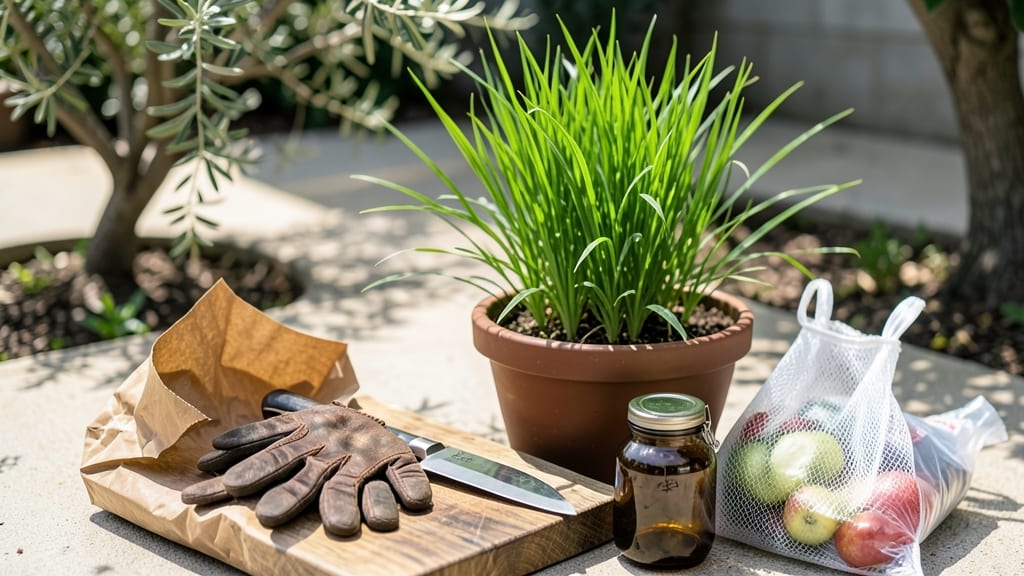
When and how to harvest lemon grass for maximum flavor
Harvesting lemon grass at the right time makes all the difference between a bold citrus aroma and a bland, woody flavor. The best time to harvest is when stalks reach 12-18 inches tall, with fully elongated leaves and a firm, woody base.
This typically happens 6-12 months after planting, depending on your climate zone.
Look for these key signs: deep green leaves, a strong citrus scent when crushed, and a thick, mature stem. Avoid harvesting before stems reach 10 inches—they’ll be too young and lack flavor.
Over-mature plants (those flowering or turning yellow) also lose their punch, so act before they overgrow!
For a continuous harvest, cut stems 2-3 inches above the base using a sharp knife or pruners. This encourages regrowth while preserving the plant’s health. Always harvest in the morning when essential oils are at their peak concentration.
If your lemon grass stems have wilted but you need them immediately, revive them by placing the cut ends in water for 1-2 hours. This restores crispness and flavor, making them ready for use in curries, teas, or marinades.
Pro tip: Harvest younger stalks for delicate, mild flavor (ideal for soups) and mature stalks for intense, bold aroma (perfect for grilling or spice blends). The choice depends on your recipe’s needs!
Never harvest when the plant is stressed (e.g., during drought or extreme heat). Wait until conditions are ideal to ensure the best flavor and yield.
| Harvest Stage | Stem Height | Leaf Color | Aroma | Best For |
|---|---|---|---|---|
| Young Stalks | 10-12 inches | Pale green | Mild citrus | Soups, teas |
| Mature Stalks | 12-18 inches | Deep green | Strong citrus | Curries, marinades |
| Over-Mature | 18+ inches | Yellowing | Woody, bitter | Avoid |
After harvesting, trim off the tough lower bulb (about 2 inches) before storing. This prevents bitterness and makes the stalks easier to handle. For whole stalks, bundle them with rubber bands and hang upside down in a cool, dry place for 1-2 weeks to dry.
If you’re prepping for immediate use, chop the stalks into 2-inch pieces and store them in an airtight container in the fridge. This keeps them fresh for up to 3 weeks while retaining their vibrant flavor.
Remember: Frequency matters. Harvesting too aggressively can stress the plant, while harvesting too little leads to overgrowth. Aim for every 4-6 weeks during the growing season to balance yield and plant health.
For long-term storage, freezing is your best bet—just wrap the stalks in plastic wrap or place them in a freezer bag for up to 6 months of flavor retention. Just thaw in the fridge before use!
Best storage methods for lemon grass: room temp vs fridge vs freezing
Storing lemon grass properly extends its bold flavor from 3 weeks (fridge) to 6 months (freezer). The key? Choosing the right method based on your needs—whether you want convenience, longevity, or minimal prep. Let’s break down the best options, ranked by effectiveness and ease.
For short-term use (up to 3 weeks), refrigeration is your best bet. Simply wrap whole stalks in a damp paper towel, place them in a sealed plastic bag, and store them in the crisper drawer.
The moisture keeps the leaves pliable, while the bag prevents drying. This method preserves 80% of the citrus aroma compared to room-temperature storage.
If you’re prepping for long-term use, freezing is unbeatable. Trim the bulbous base (where flavor concentrates), chop the stalks into 2-inch pieces, and spread them on a tray to flash-freeze.
Once solid, transfer to a freezer bag for up to 6 months. Frozen lemon grass retains 90% of its flavor and is perfect for soups, marinades, or infused oils.
Room-temperature storage is risky but works for emergency access. Bundle 3-4 stalks together, wrap tightly in aluminum foil, and store in a cool, dark pantry. This method lasts 1-2 weeks but risks bitterness if humidity spikes. Only use this for small batches or if you’re in a pinch.
Pro tip: If you’re storing dried lemon grass, hang whole stalks upside down in a warm, dry place for 2-3 weeks. Once brittle, strip the leaves and store in an airtight container.
Dried lemon grass lasts up to a year but loses some potency—best for teas or long-simmered dishes.
For culinary use, frozen or fresh lemon grass works best in dishes where it’s removed before serving (like Thai curries). If you’re infusing oils or vinegars, use freshly chopped stalks for maximum zing. Avoid overcrowding containers—tight spaces trap moisture and speed up spoilage.
Remember: The bulbous base holds 70% of the flavor, so never trim it off unless you’re freezing. For whole stalks, store with the roots intact to slow wilting. And always label your storage containers—lemon grass looks like grass, and you’ll thank yourself later!