
How To
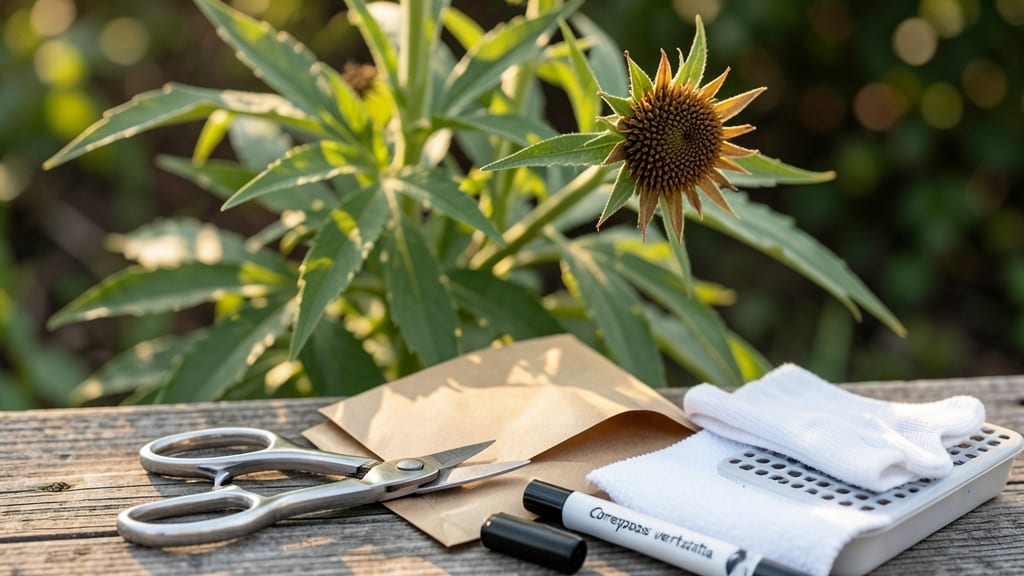
Harvesting Coreopsis seeds 🌼 at the right time is the secret to growing stronger, more vibrant plants next season—but most gardeners miss the window. If you've ever watched your seed heads dry up only to drop before you could collect them, you know how frustrating it can be.
Timing is everything with Coreopsis, and I've learned the 3 key signs that tell you when seeds are ready: the flower heads turn a crisp brown, the petals fall away naturally, and the seeds rattle inside when you shake them. Skipping these cues means weaker seeds or wasted effort.
In this guide, I'll walk you through the exact steps to harvest, dry, and store Coreopsis seeds like a pro. Whether you're a beginner or a seasoned gardener, these techniques will help you avoid common mistakes and ensure your next batch of plants thrives from day one.
From identifying mature seed heads to proper storage tips, you'll discover how to turn this year's blooms into next year's garden showstoppers. Let's get started!


When and how to identify Coreopsis seeds ready for harvesting
Timing is everything when harvesting Coreopsis seeds. The key is waiting until the seed heads reach full maturity, which typically occurs in late summer to early fall (August through September in most USDA zones).
Harvesting too early means immature seeds that won’t germinate, while waiting too long risks seed drop from dried heads.
Look for these visual cues that your Coreopsis seeds are ready: the flower heads should turn from green to uniform brown, the petals will have fallen off naturally, and the dried heads will feel crisp and brittle when touched.
Shake a mature head gently—if seeds rattle inside, they’re ready for harvest.
Weather plays a crucial role too. Harvest on dry, sunny days to prevent moisture buildup that can encourage mold. Avoid harvesting after rain or dew, as damp conditions speed up seed deterioration. Morning harvests work best since relative humidity is typically lower.
One trick I’ve learned is to mark mature seed heads with a small flag or ribbon when they first show signs of browning. This helps track progress and prevents accidental harvesting of partially mature seeds mixed in with fully ripe ones.
🌱 Coreopsis Seed Maturity
Step-by-step Coreopsis seed harvesting process for maximum yield
Harvesting coreopsis seeds at the right time ensures high germination rates and healthy plants next season. Start by gathering essential tools: a pair of clean scissors or pruners, paper bags or breathable fabric sacks, and a flat drying surface like a tray or screen.
Work on a dry, sunny day to prevent moisture from damaging seeds.
Once equipped, focus on mature seed heads—those that are fully brown, dry, and crisp to the touch. Gently snip or twist the seed heads from the stems, being careful not to damage the plant. Place them immediately in your breathable bags to prevent seed loss from wind or animals.
🌾 Step-by-Step Harvesting Guide
- Step 1: Wait until seed heads turn uniformly brown and petals fall off naturally.
- Step 2: Use clean scissors to cut seed heads, leaving a small stem.
- Step 3: Place seed heads in breathable bags to dry for 1-2 weeks.
- Step 4: Shake bags gently to release seeds, then sift to remove debris.
- Step 5: Store seeds in a cool, dry place in airtight containers.
After harvesting, let the seed heads dry indoors for 1-2 weeks in a well-ventilated area. Once completely dry, gently shake or rub the seed heads over a tray to release the seeds.
Use a fine mesh sieve to separate seeds from chaff, ensuring only the plump, viable seeds remain for planting.
For optimal seed storage, place them in paper envelopes or airtight containers labeled with the harvest year and variety. Store in a cool, dark place like a pantry or refrigerator, where they’ll stay viable for 2-3 years. Avoid plastic bags, as they trap moisture and risk mold growth.
If you notice premature seed drop or moldy seed heads, act quickly by harvesting earlier or improving airflow during drying. Always prioritize dry conditions to preserve seed quality for your next gardening season.
With these steps, you’ll enjoy a bountiful harvest of coreopsis seeds ready for planting, ensuring your garden stays vibrant for years to come. Happy harvesting! 🌼